Tension in Riaza’s Plaza Mayor
Stories
Tension in Riaza's Plaza Mayor
A personal encounter with tradition, beauty and doubt
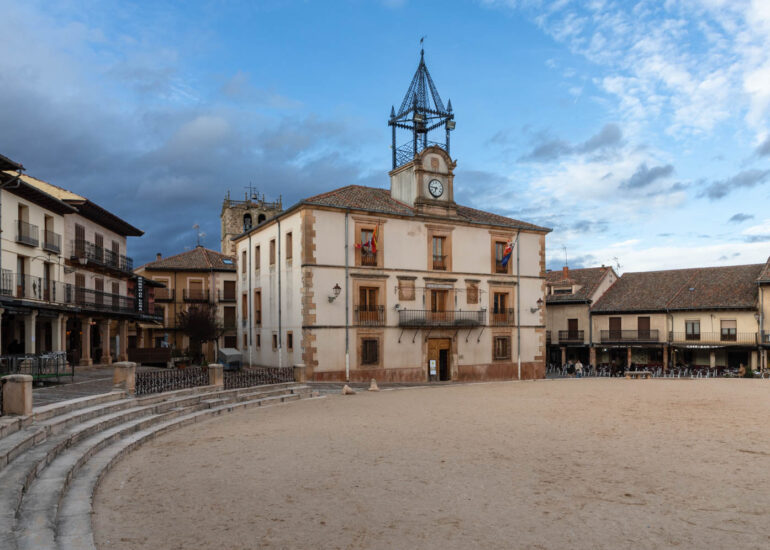
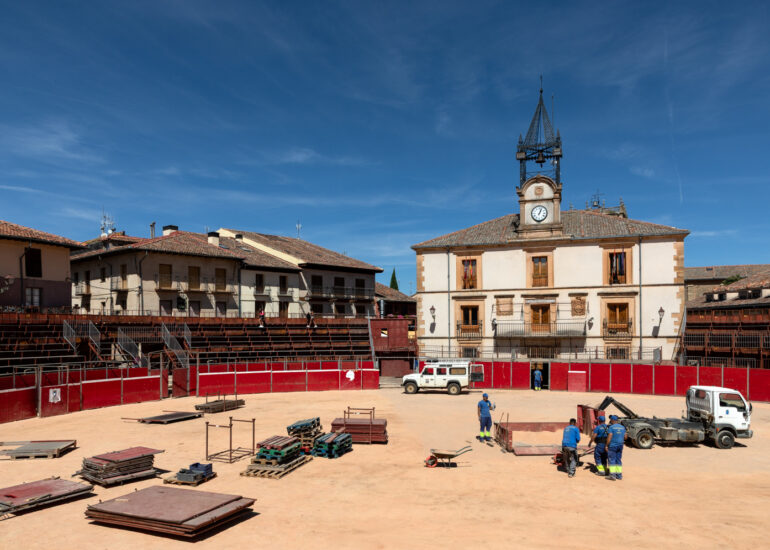
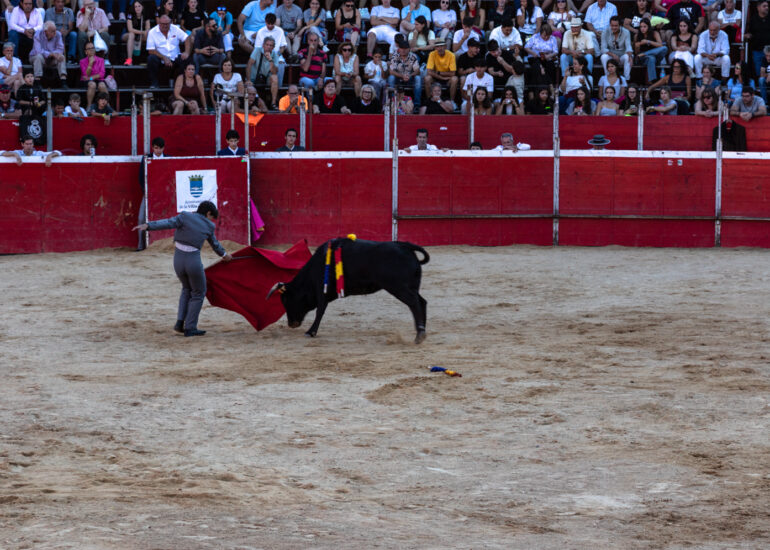
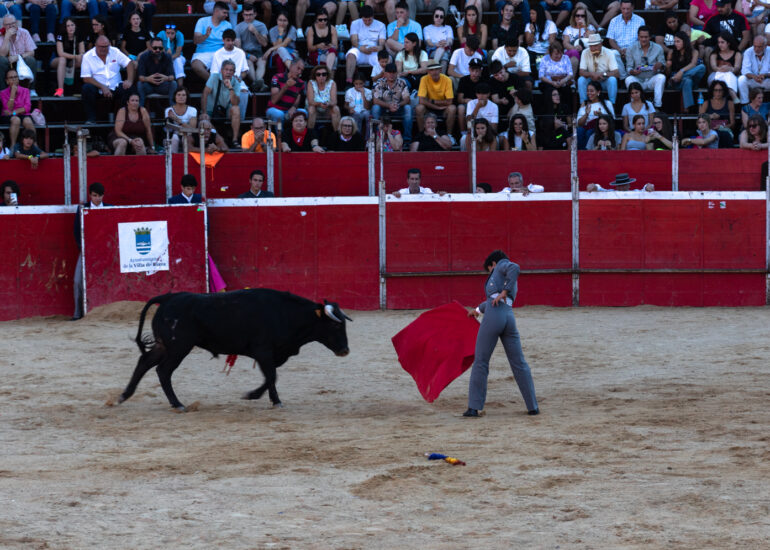
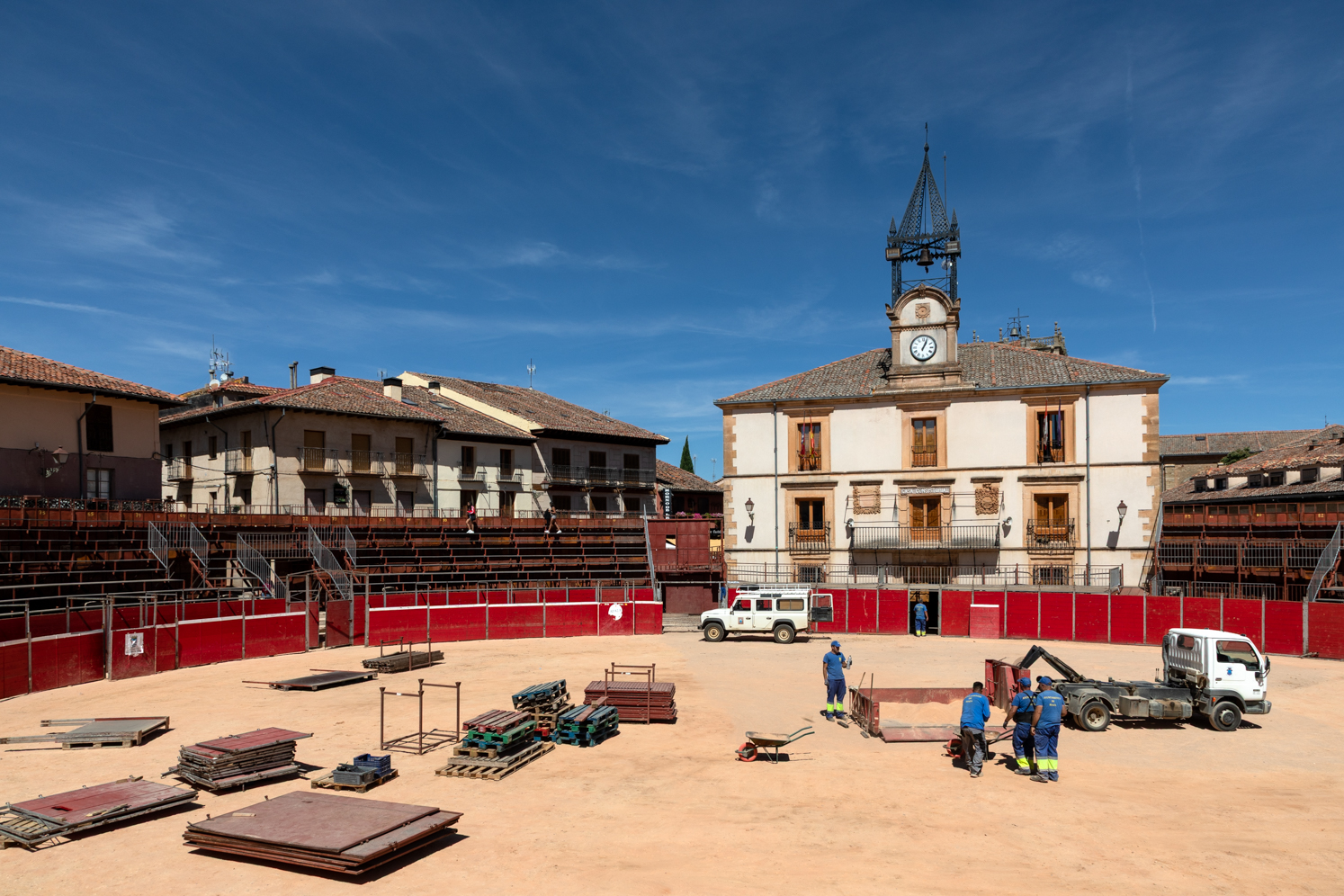
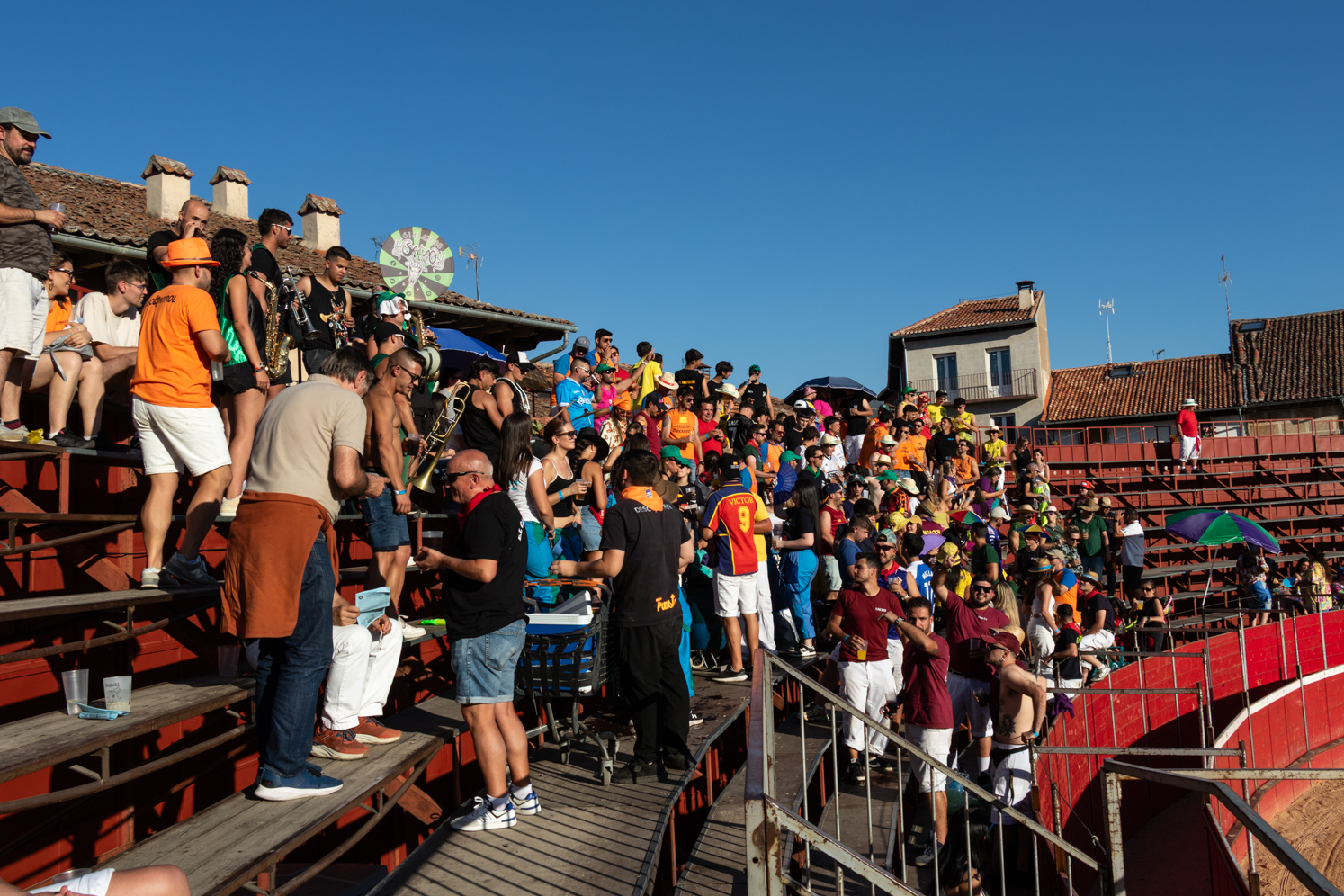
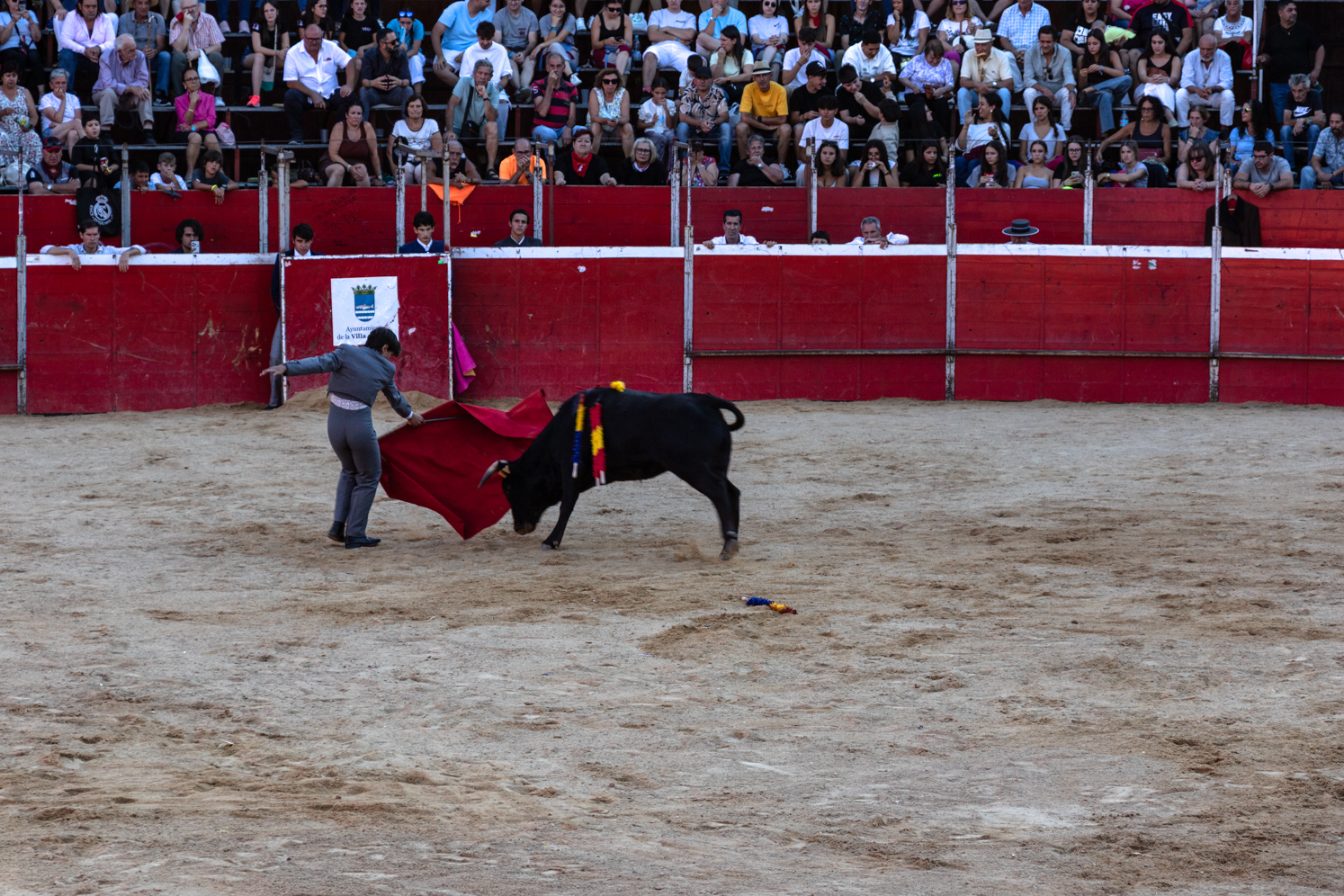
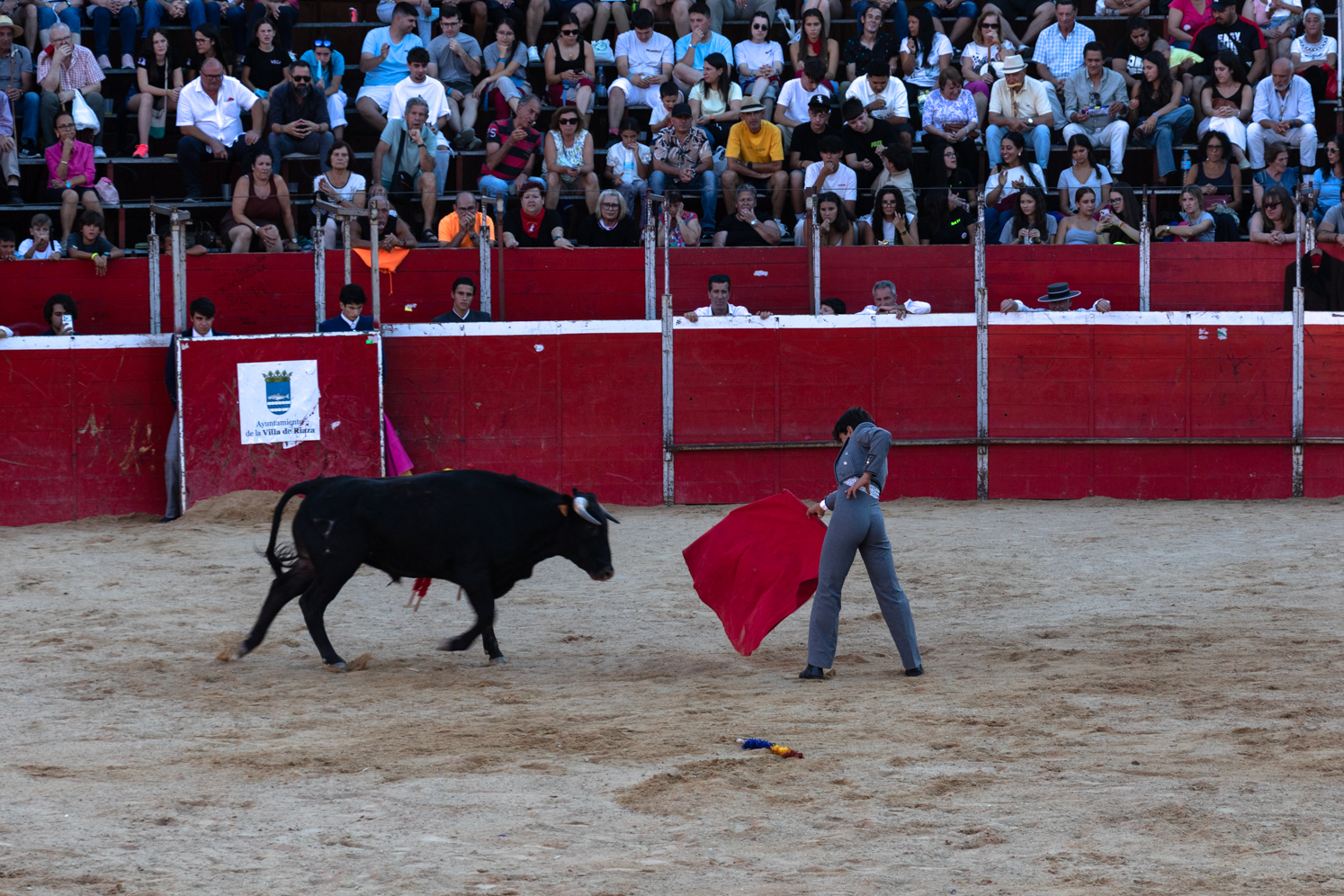
We have visited Riaza several times. At the heart of this Spanish village lies the Plaza Mayor: a market square, meeting place and setting for the village festivities. But in September, the friendly square is transformed. Stands are erected, the sand takes on a different meaning, and the Plaza Mayor becomes an arena.
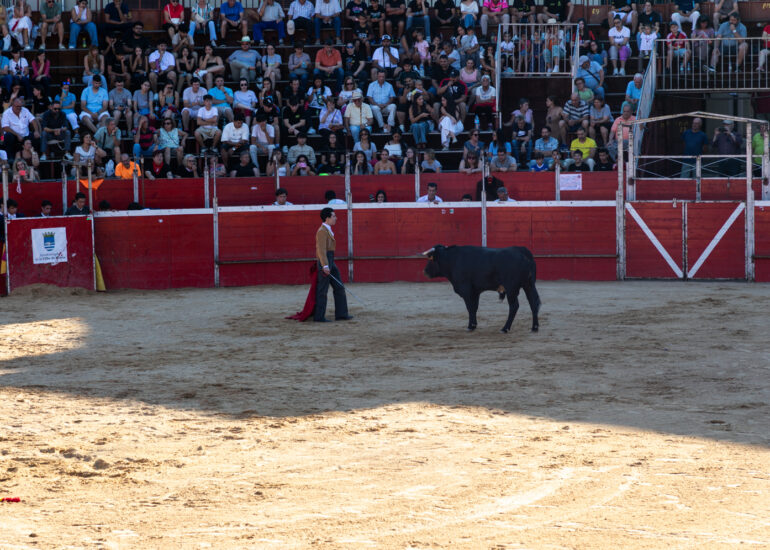
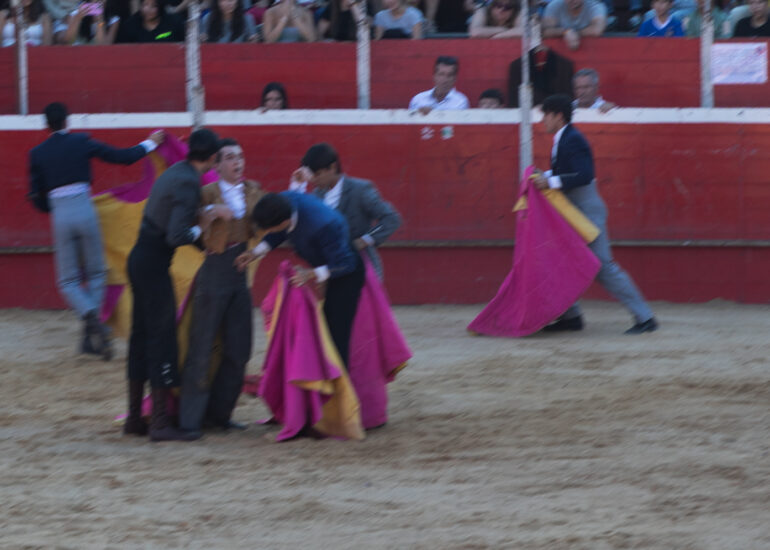
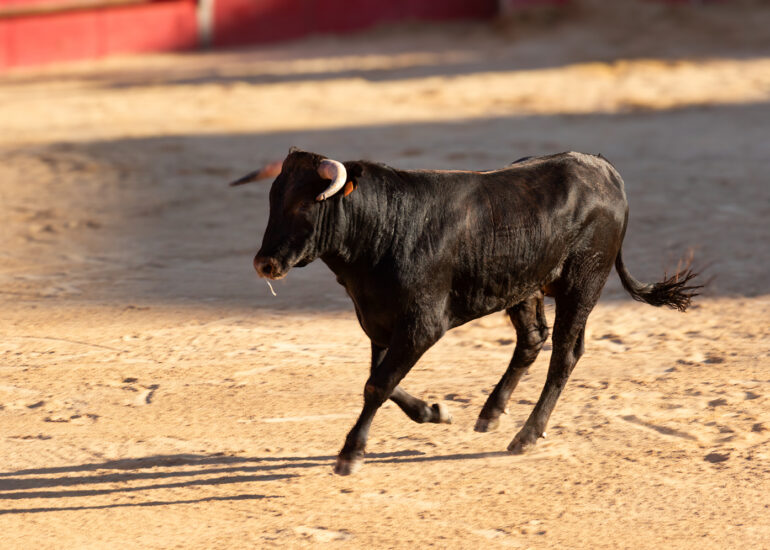
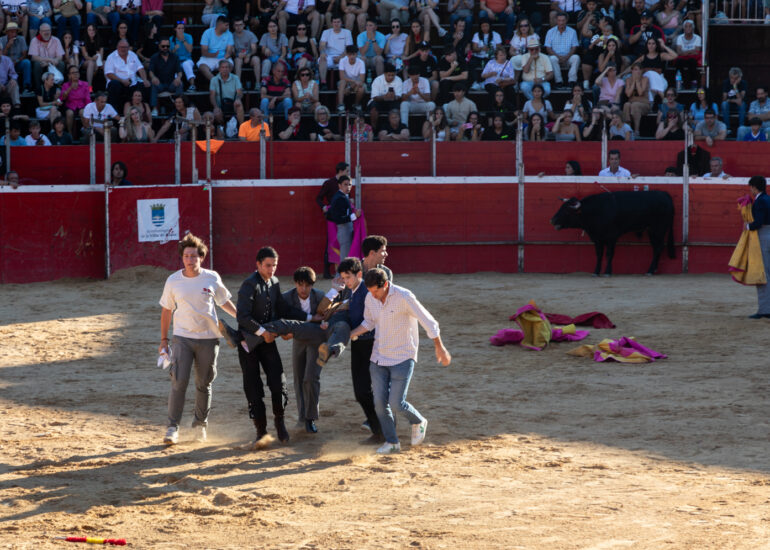
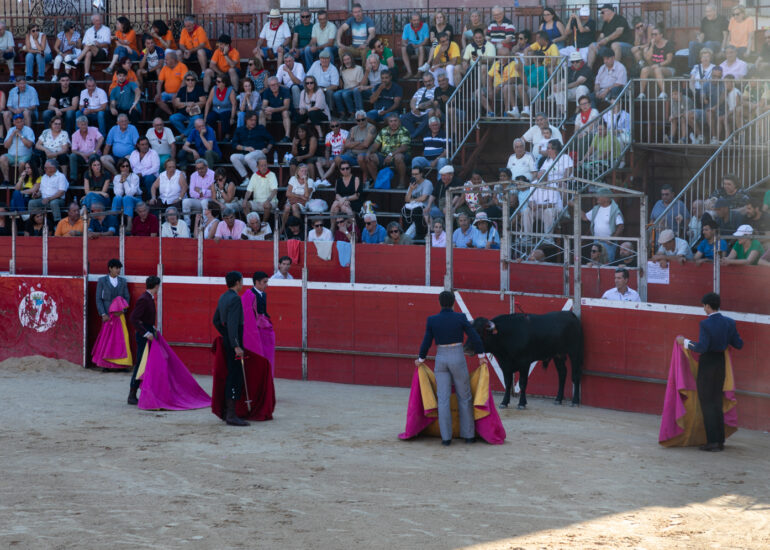
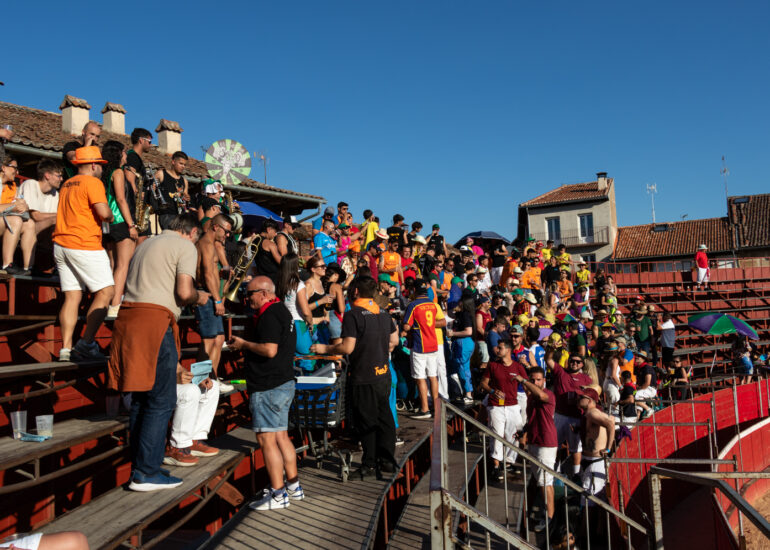
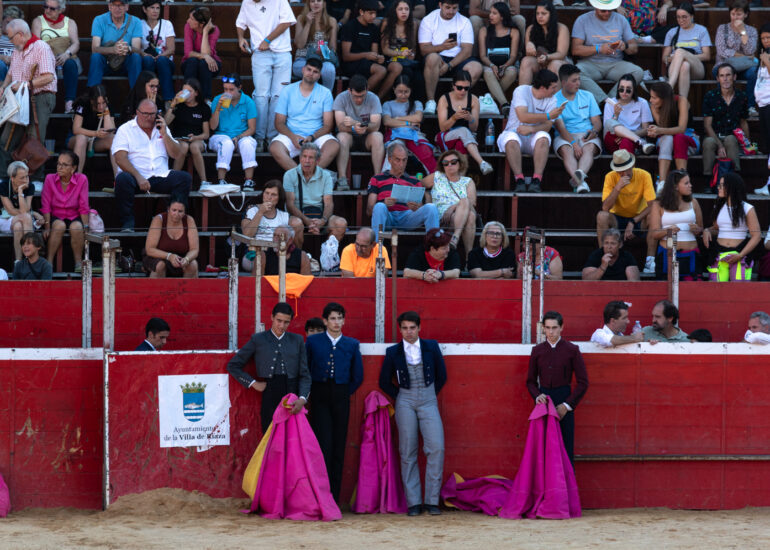
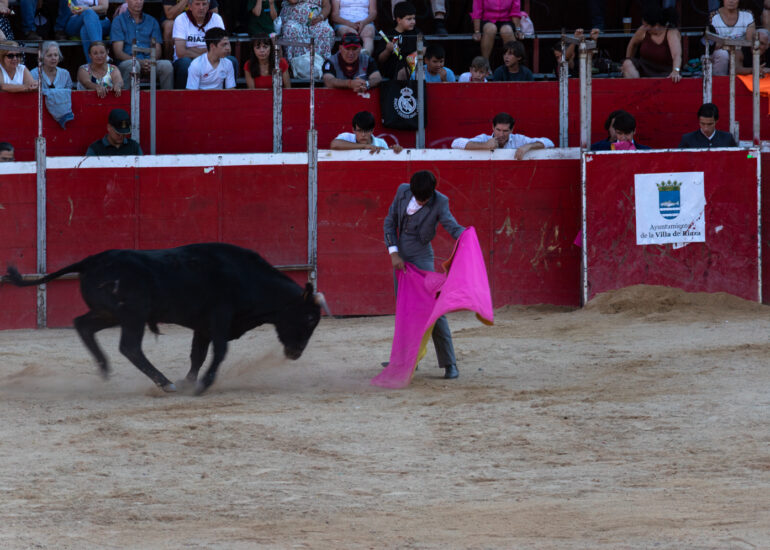
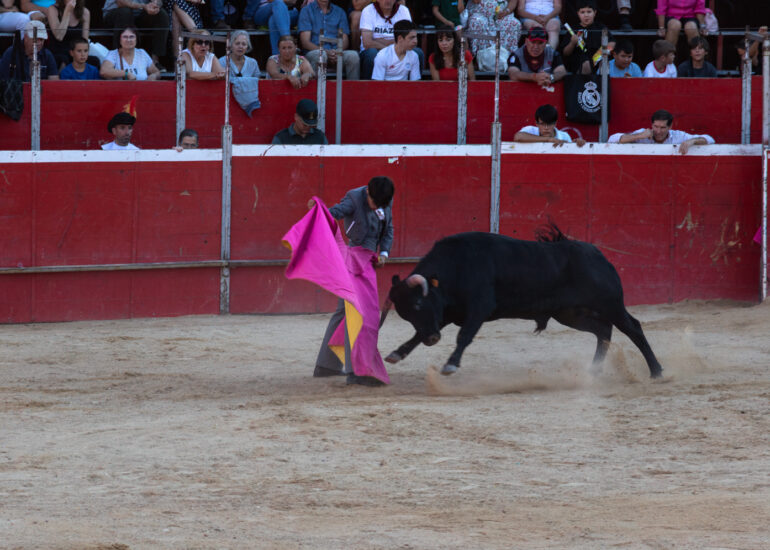
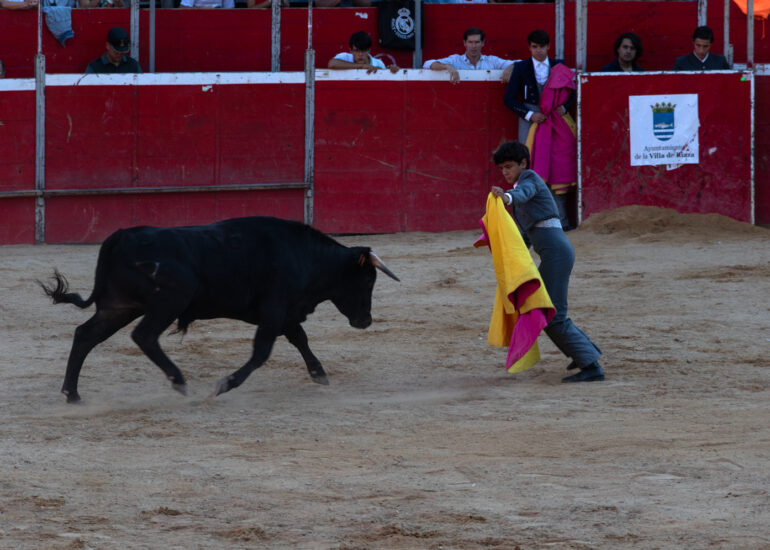
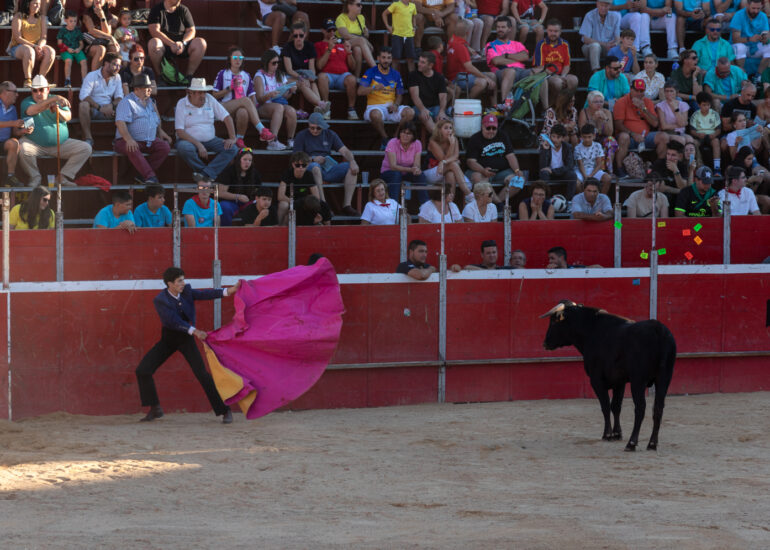
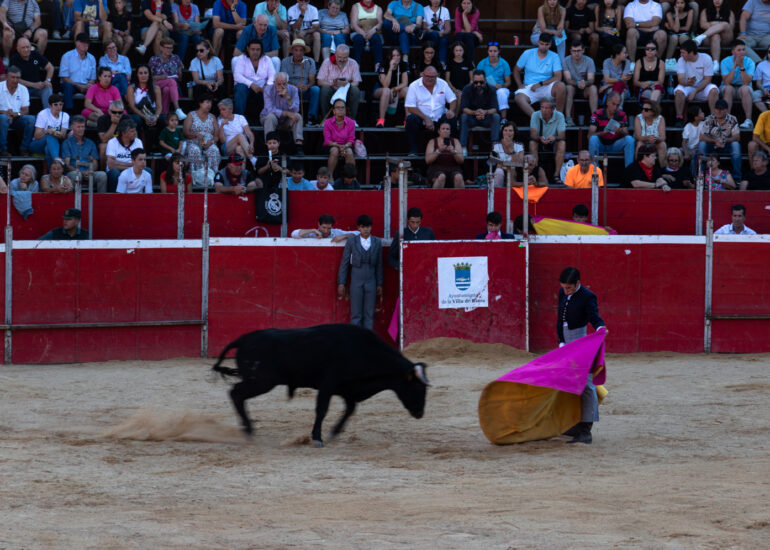
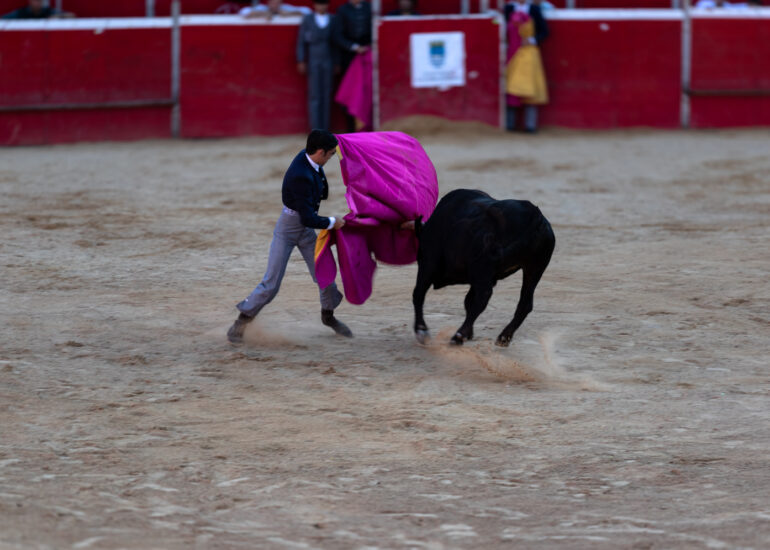
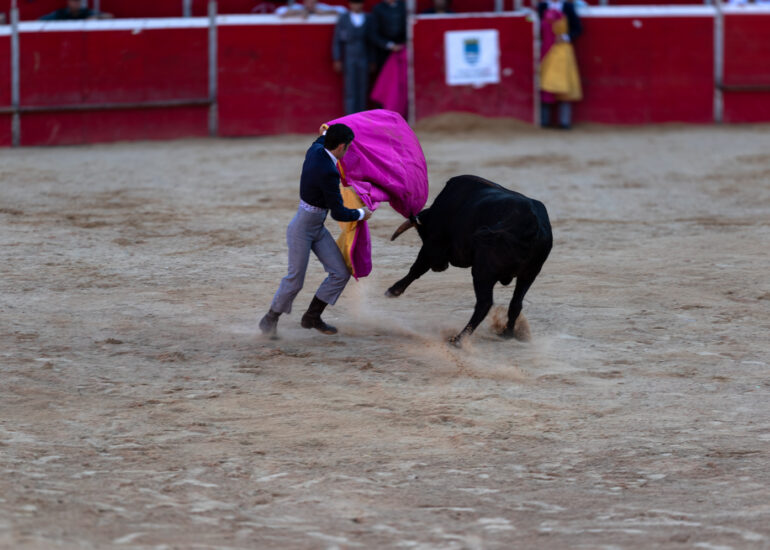
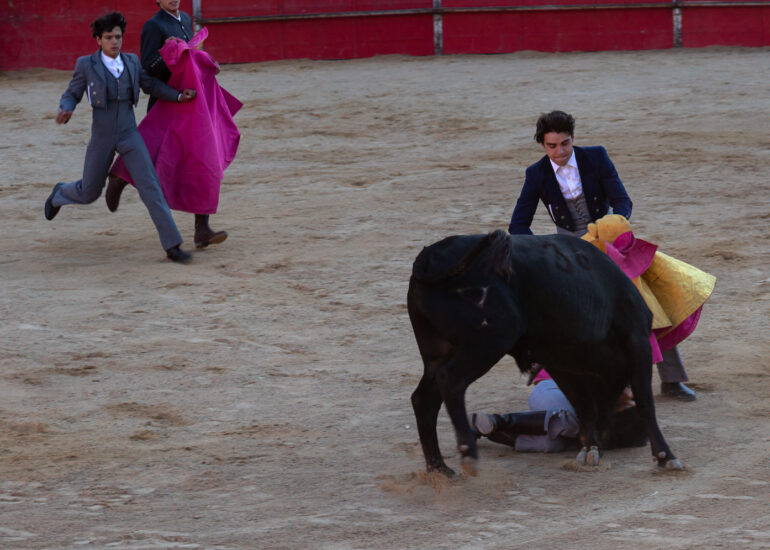
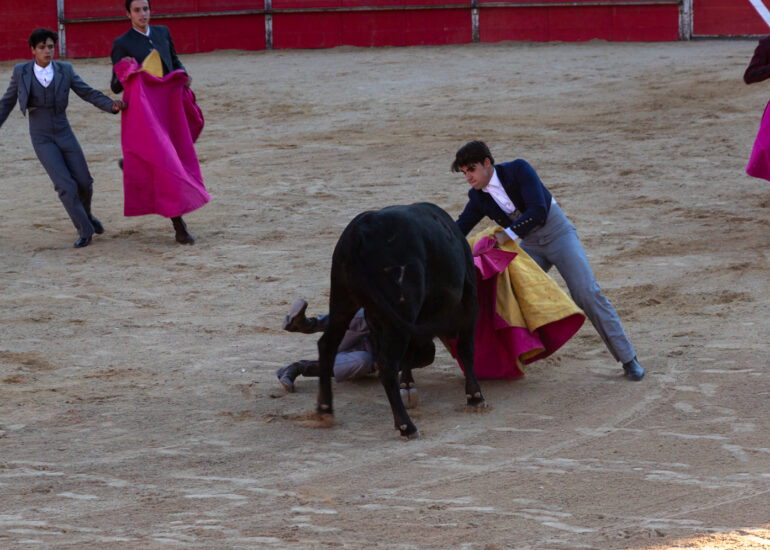
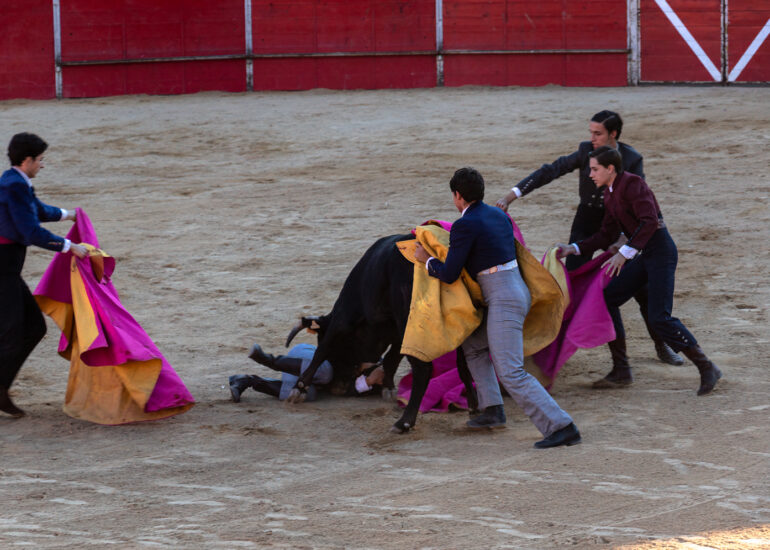
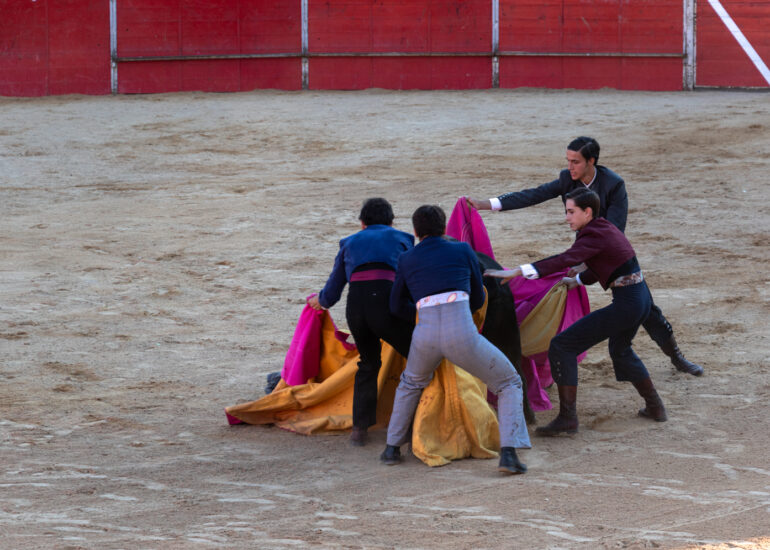
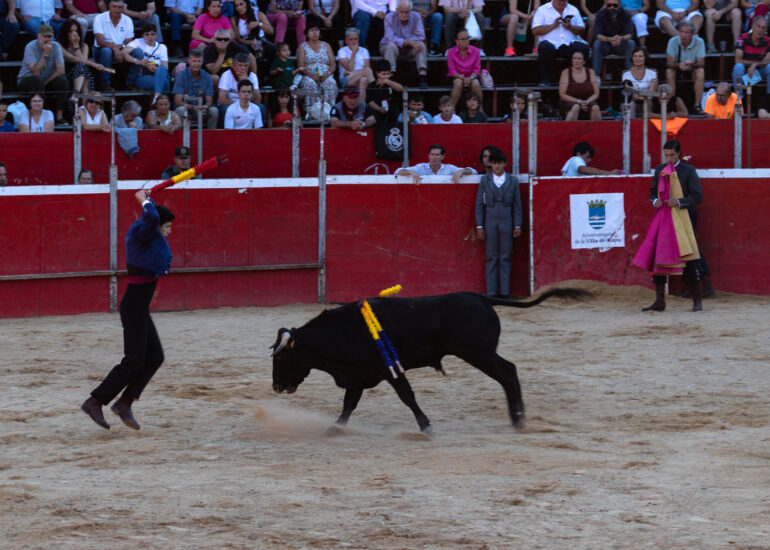
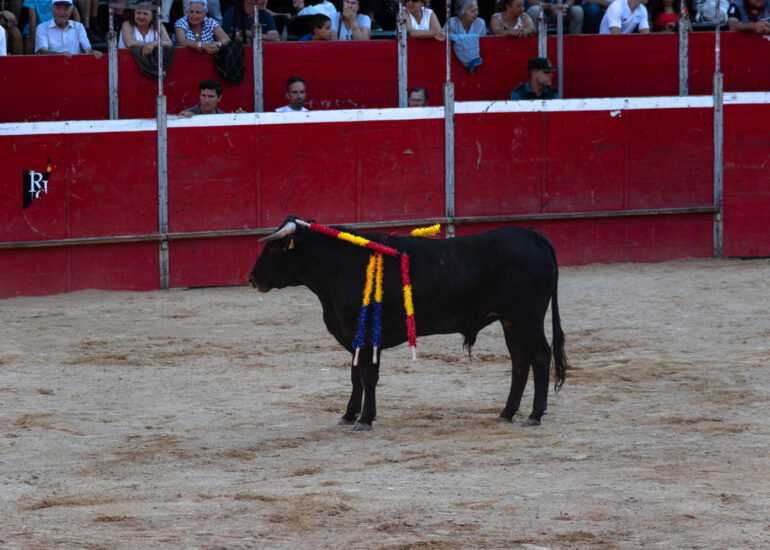
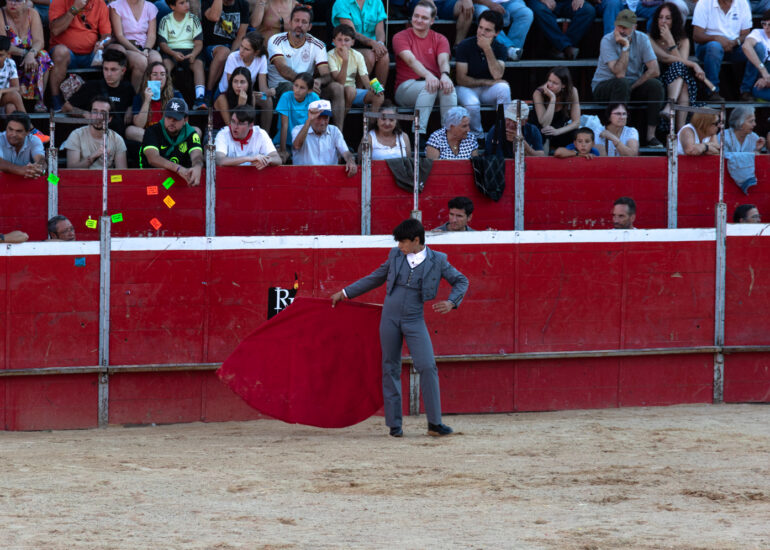
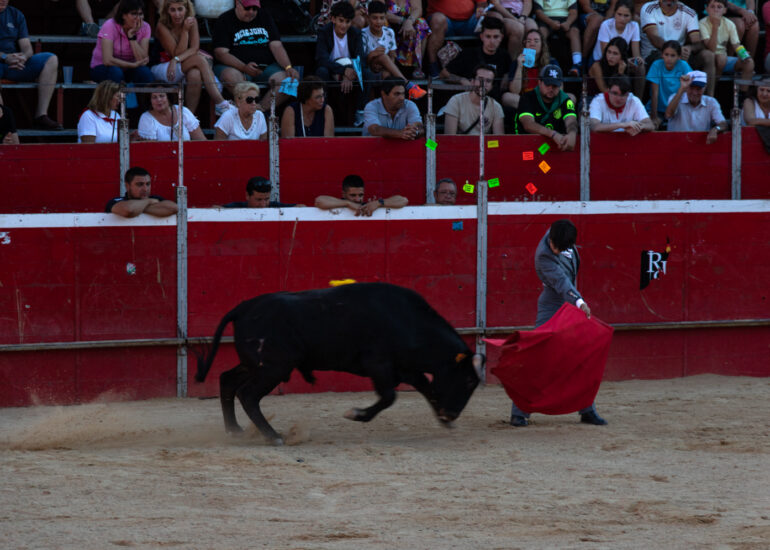
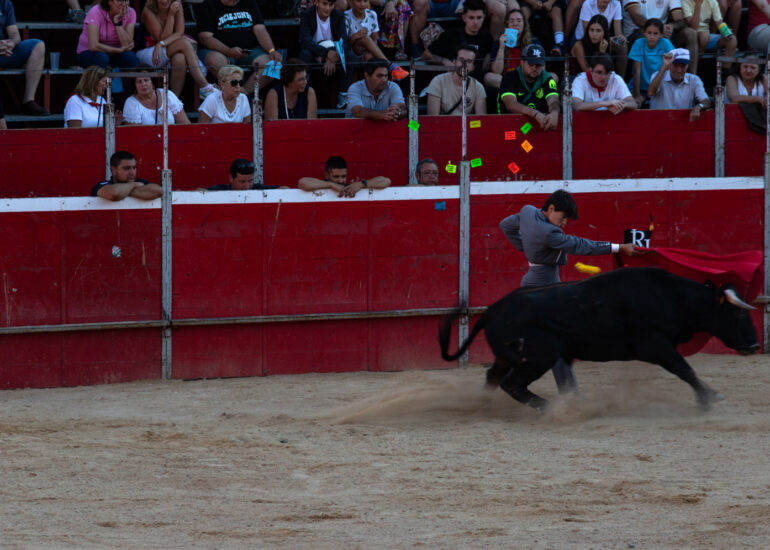
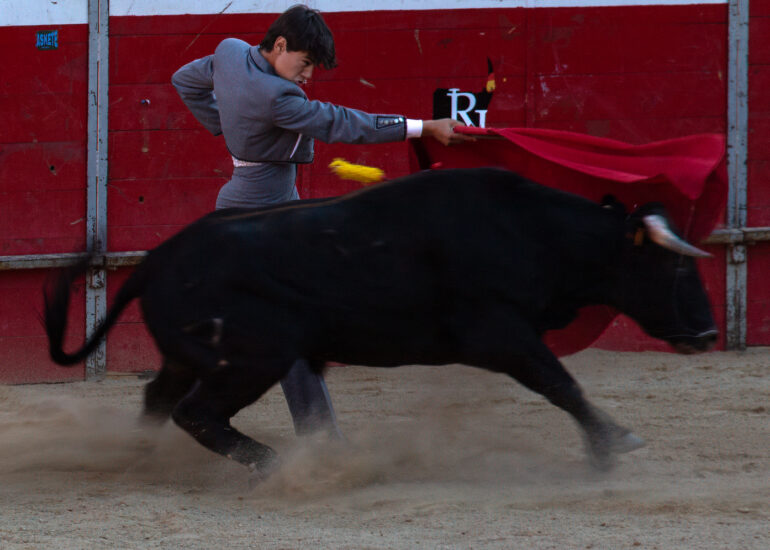
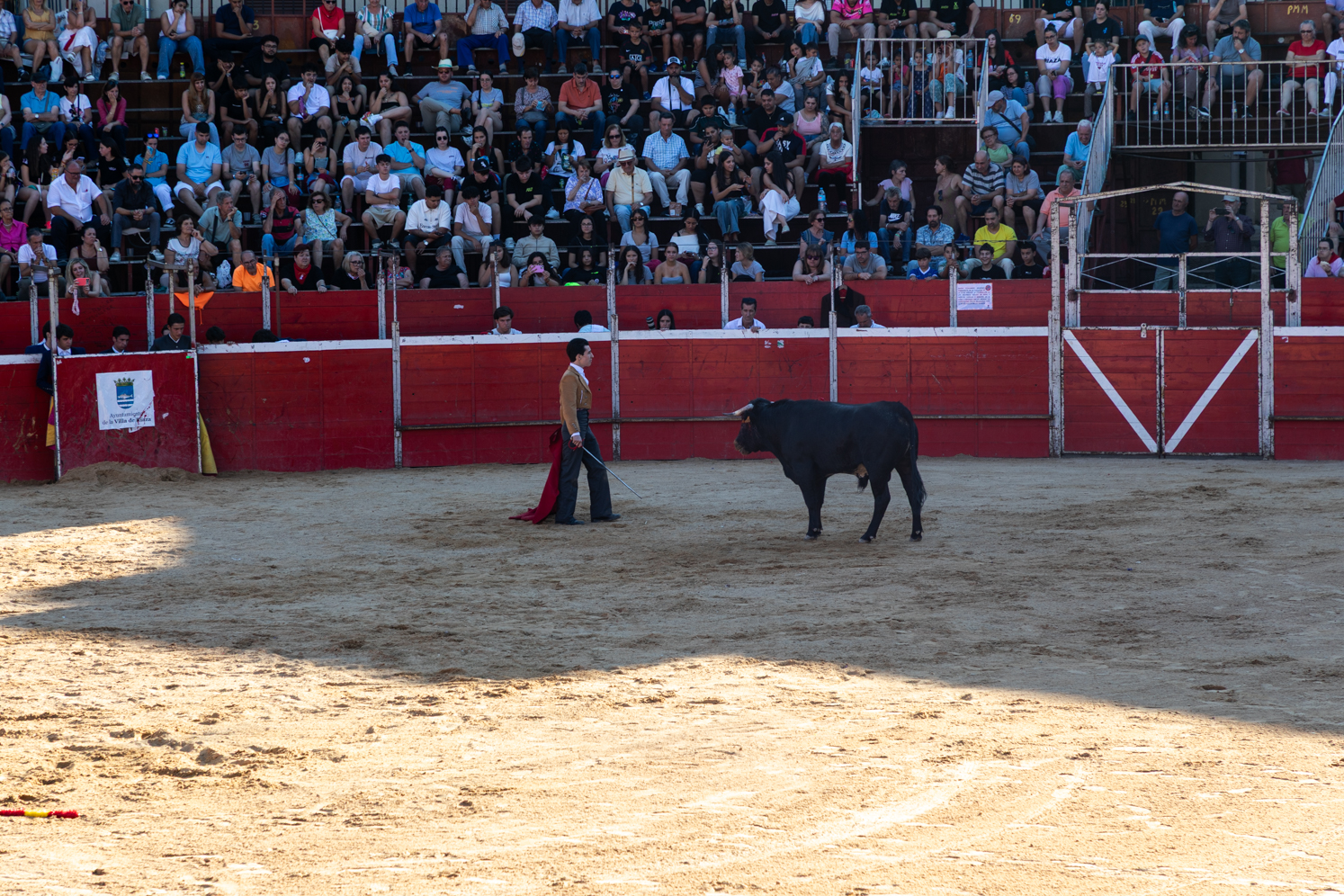
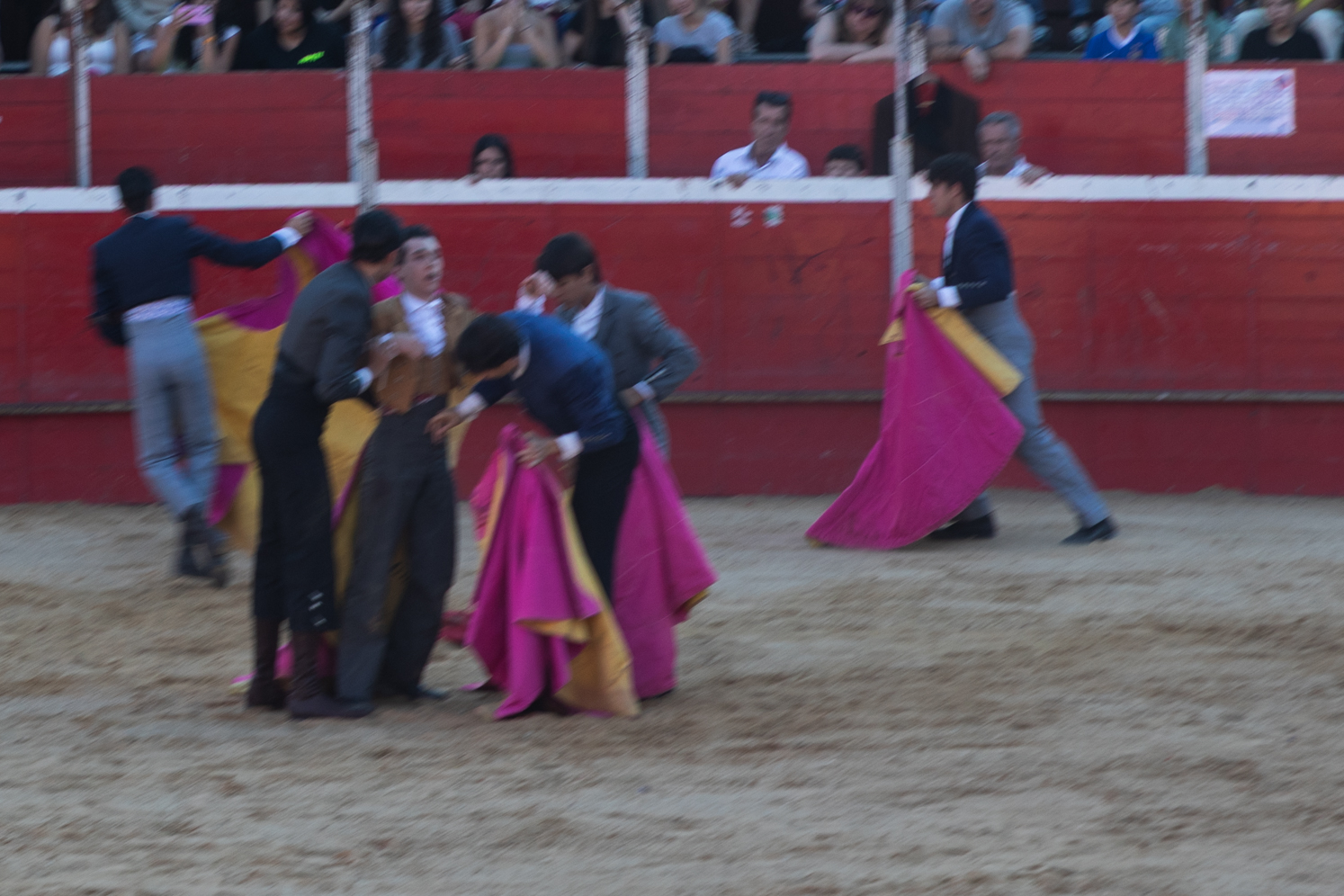
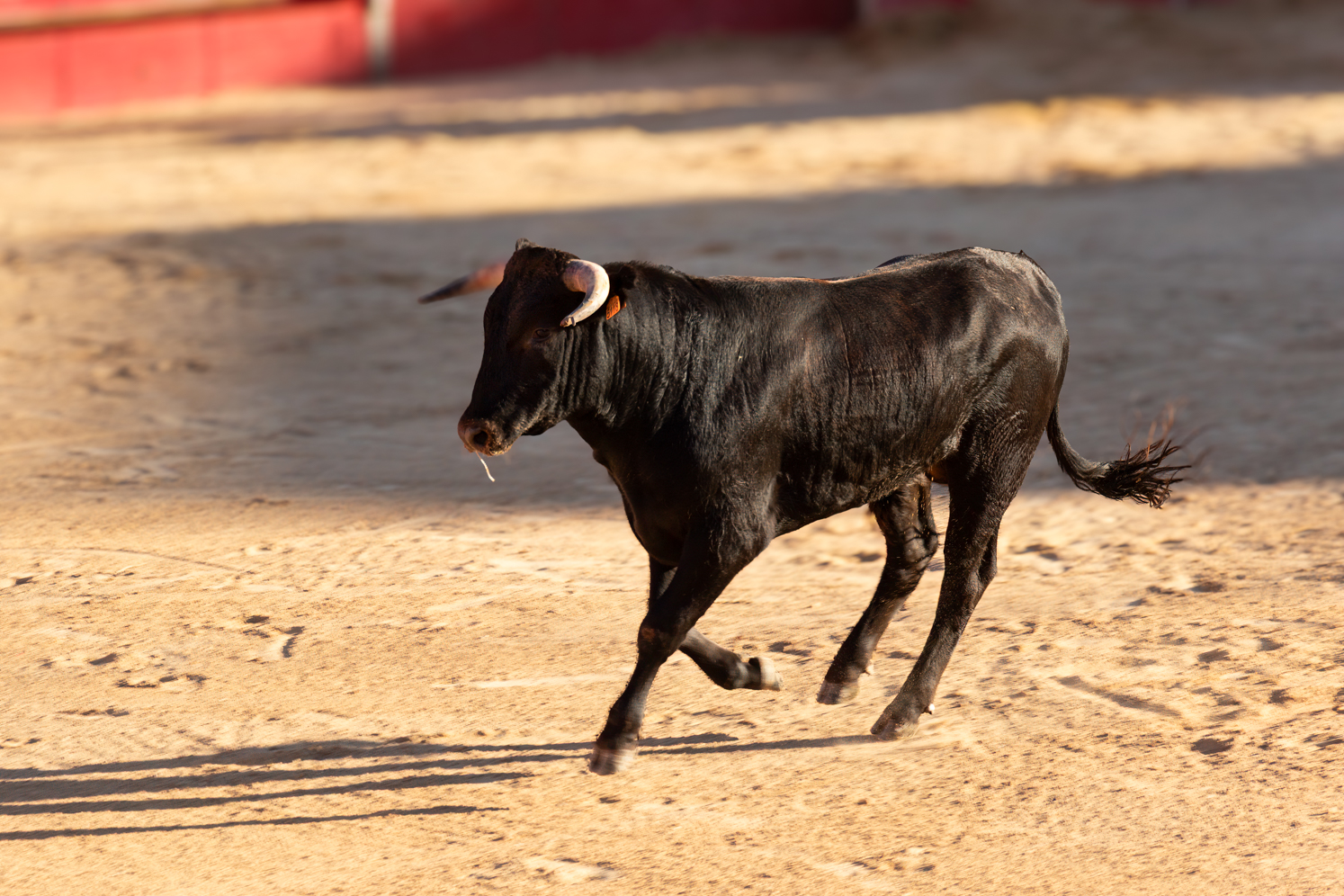
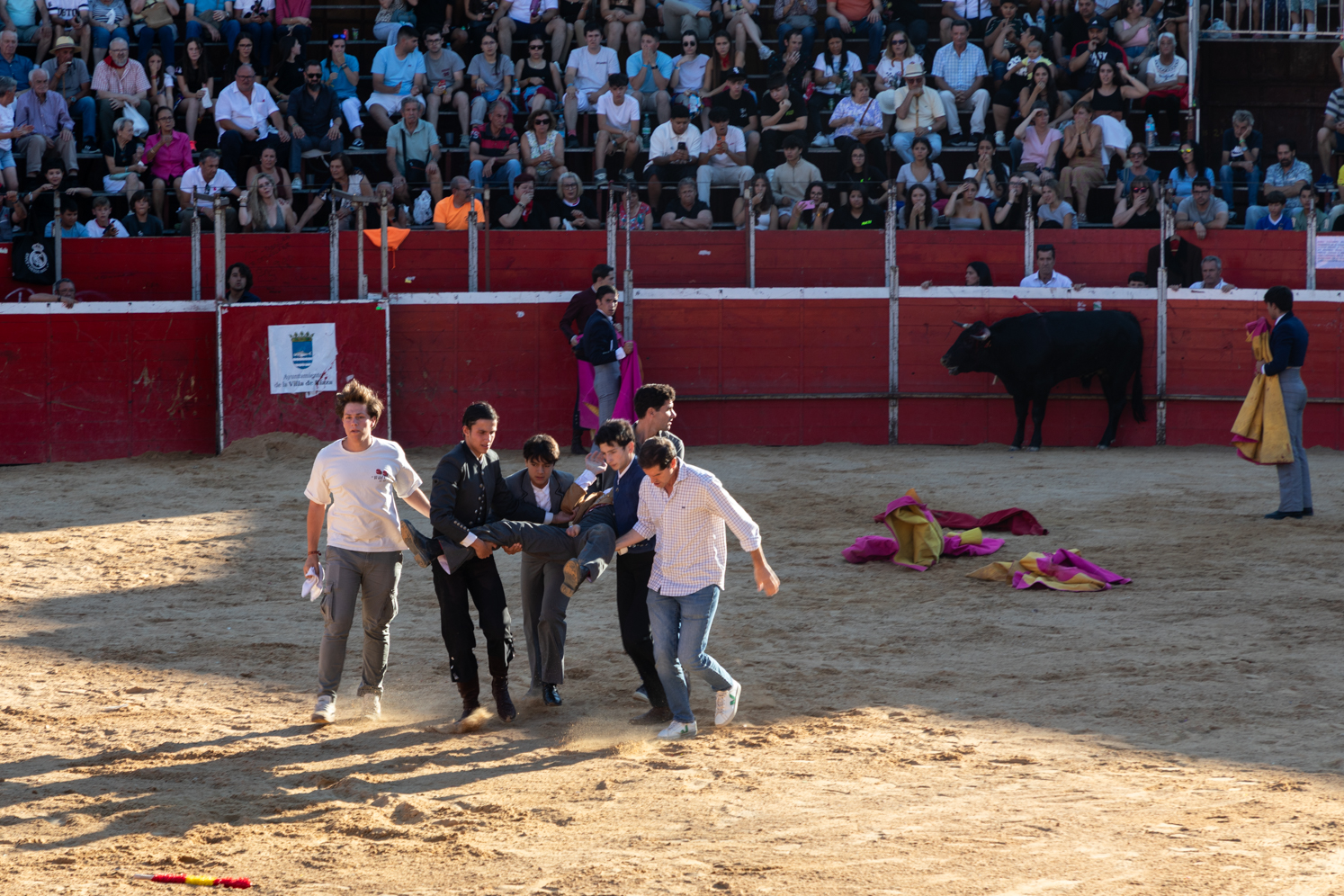
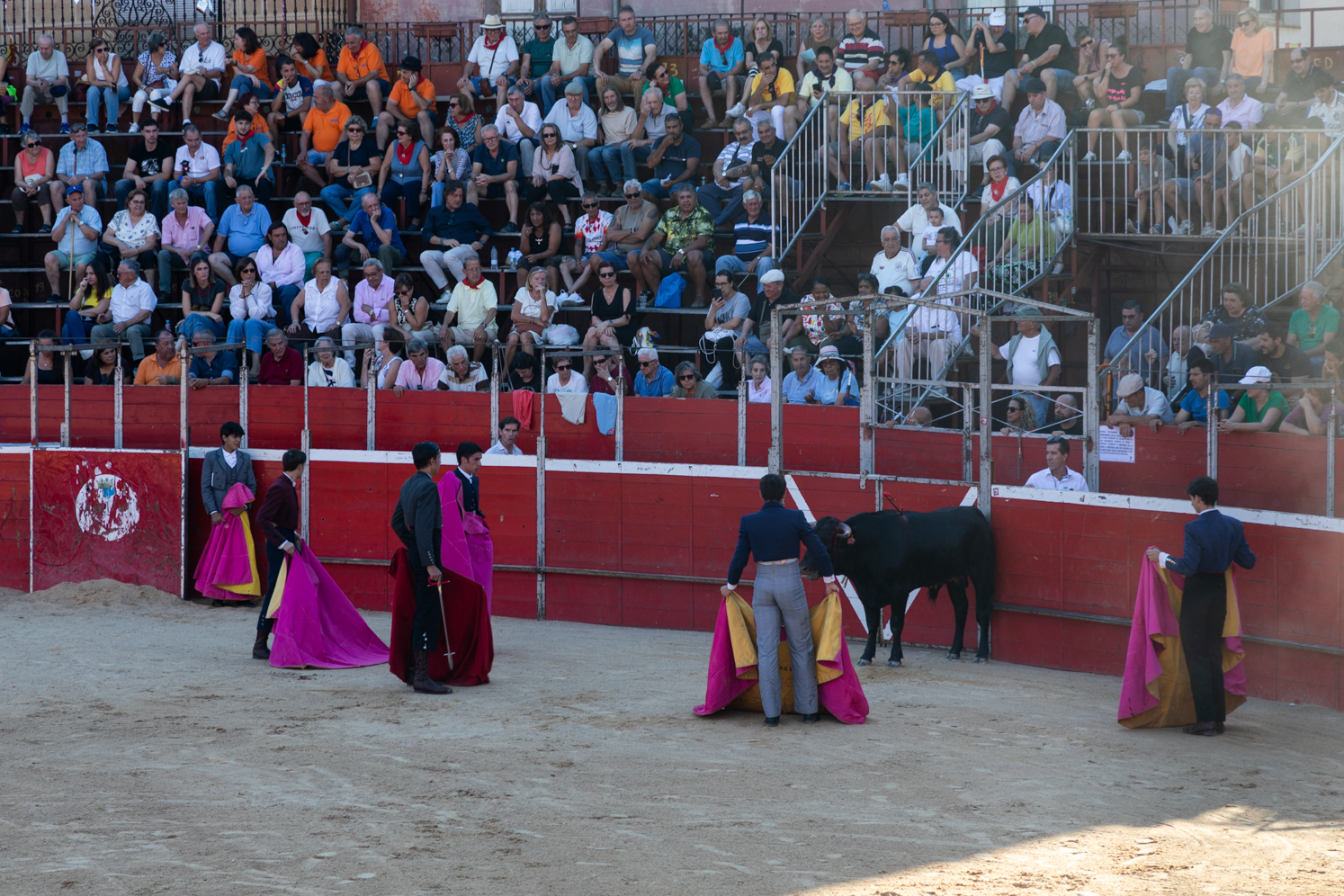
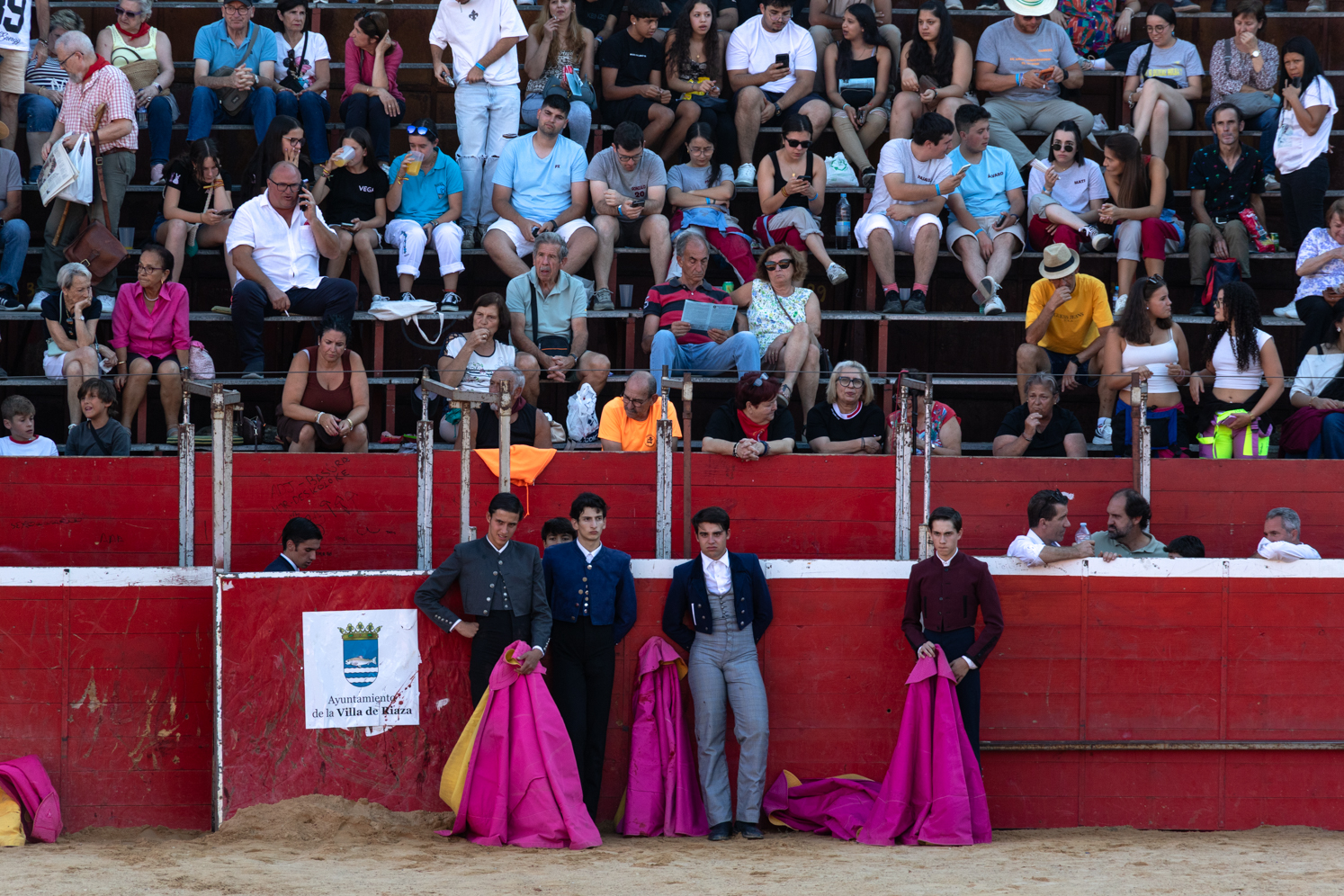
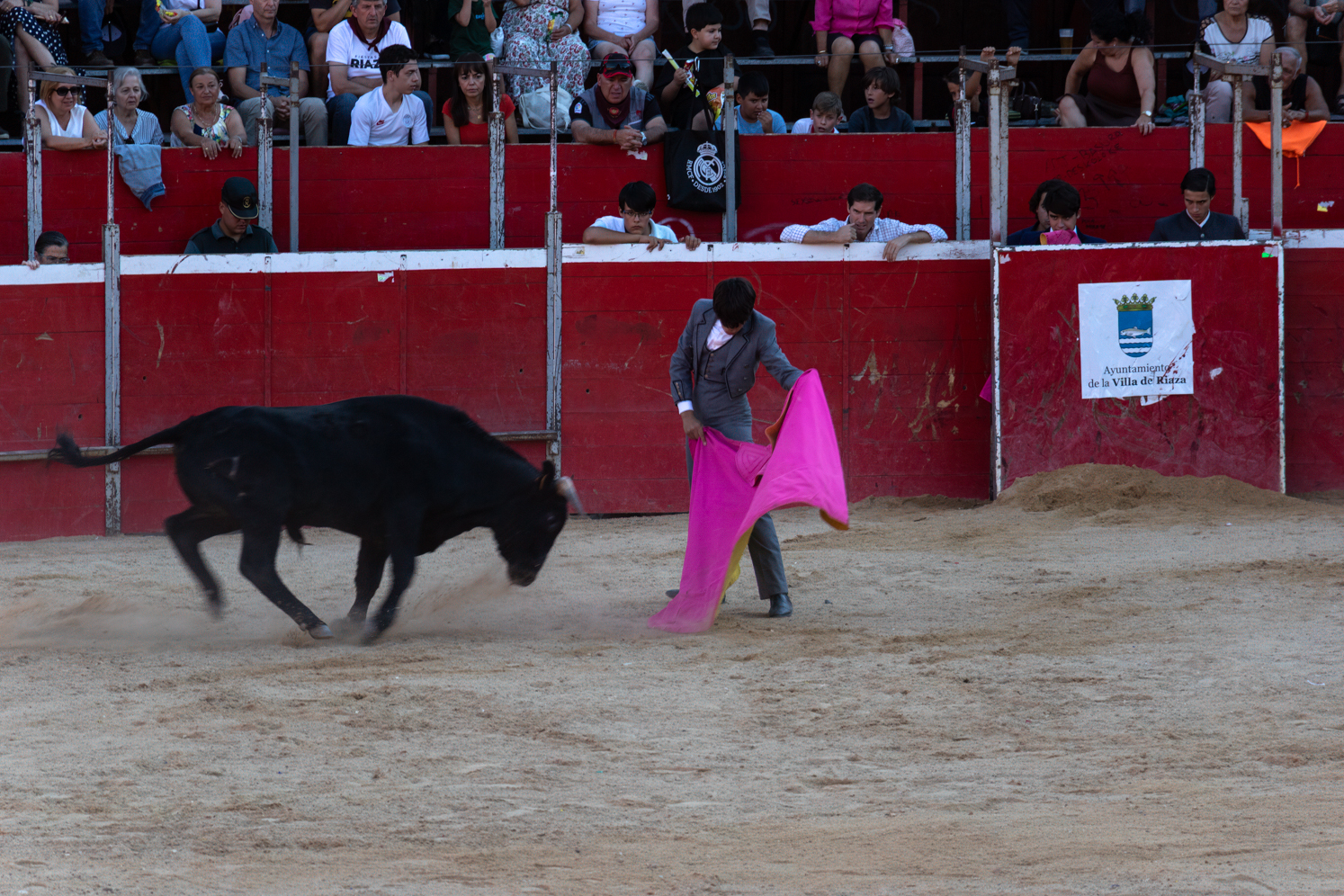
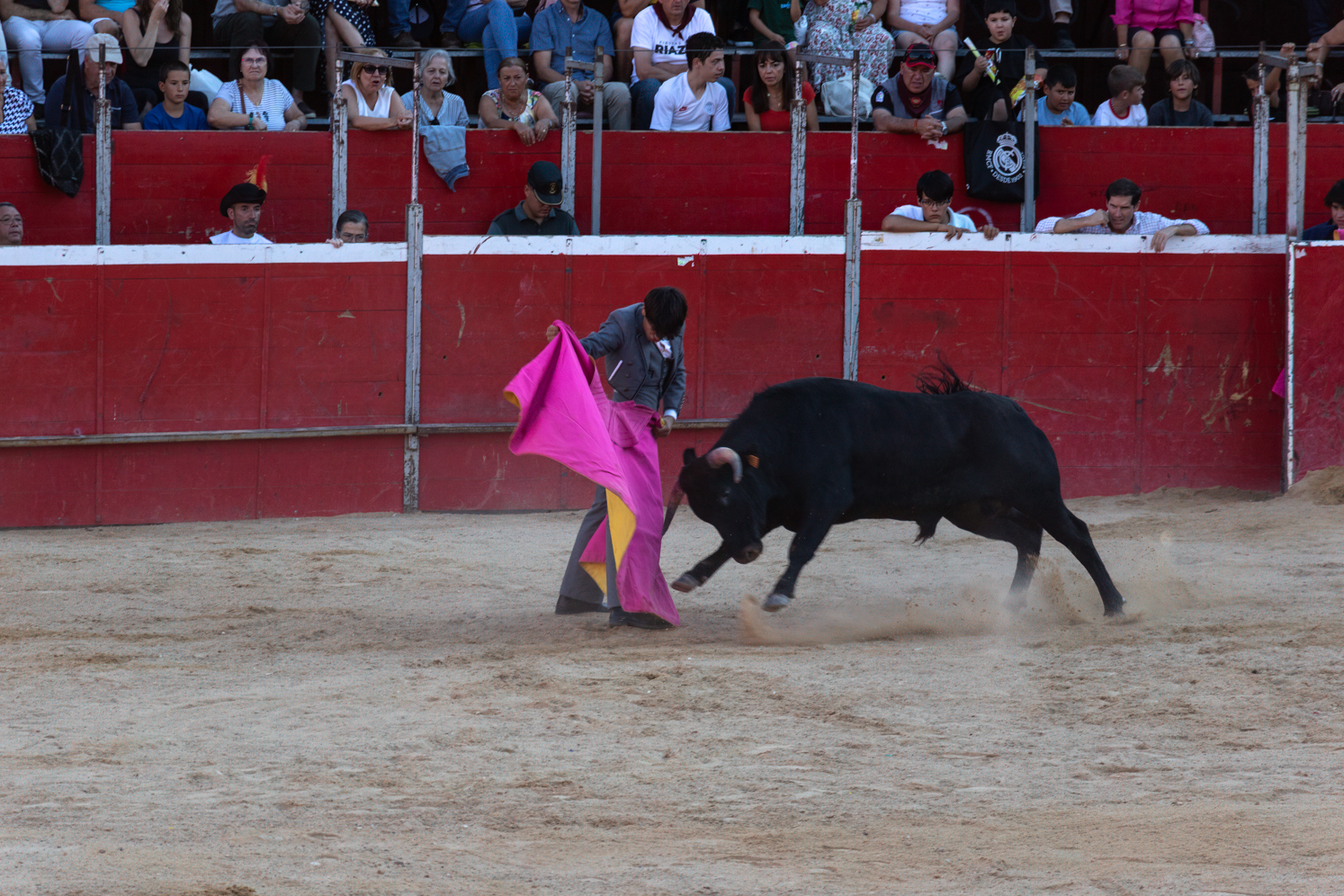
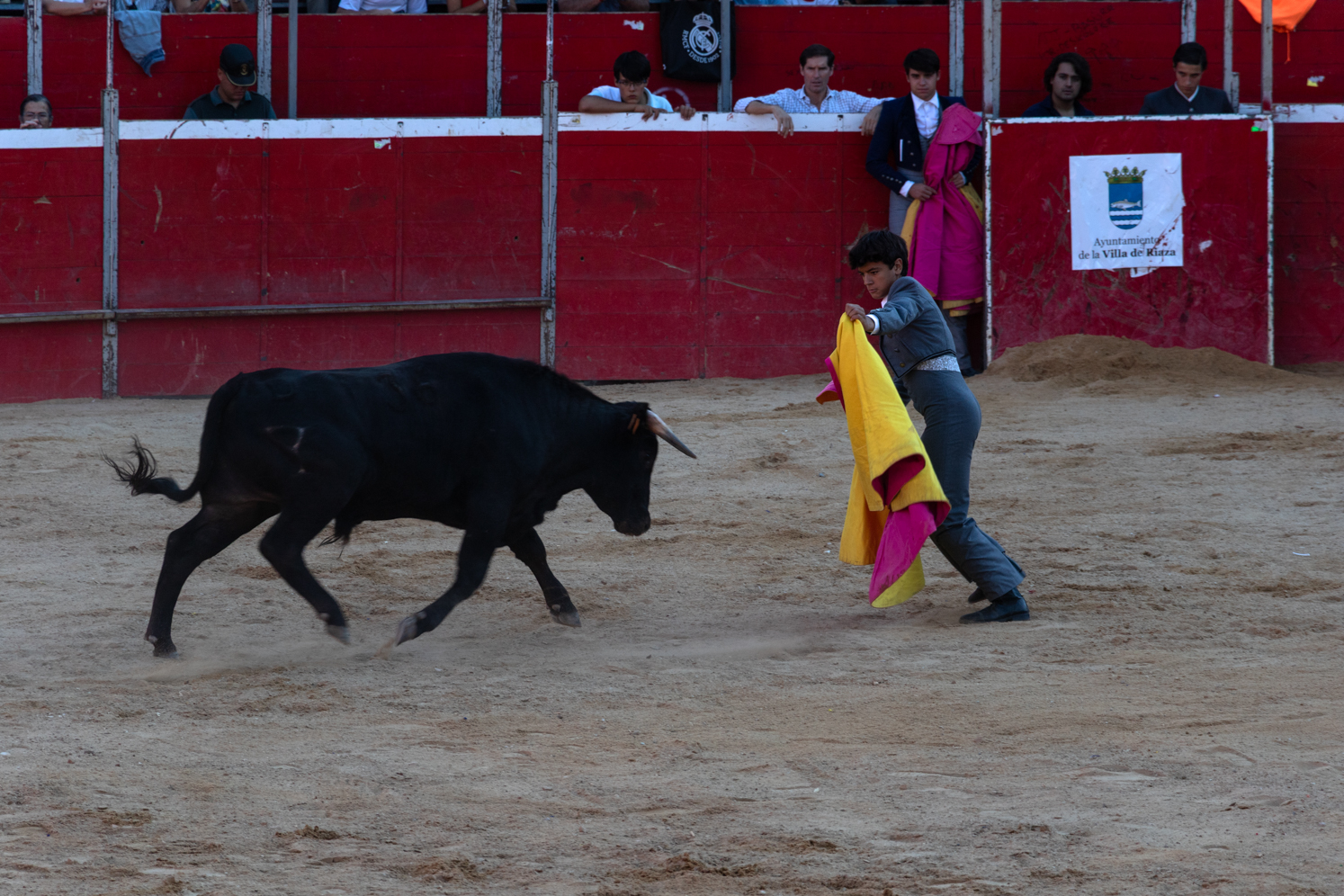
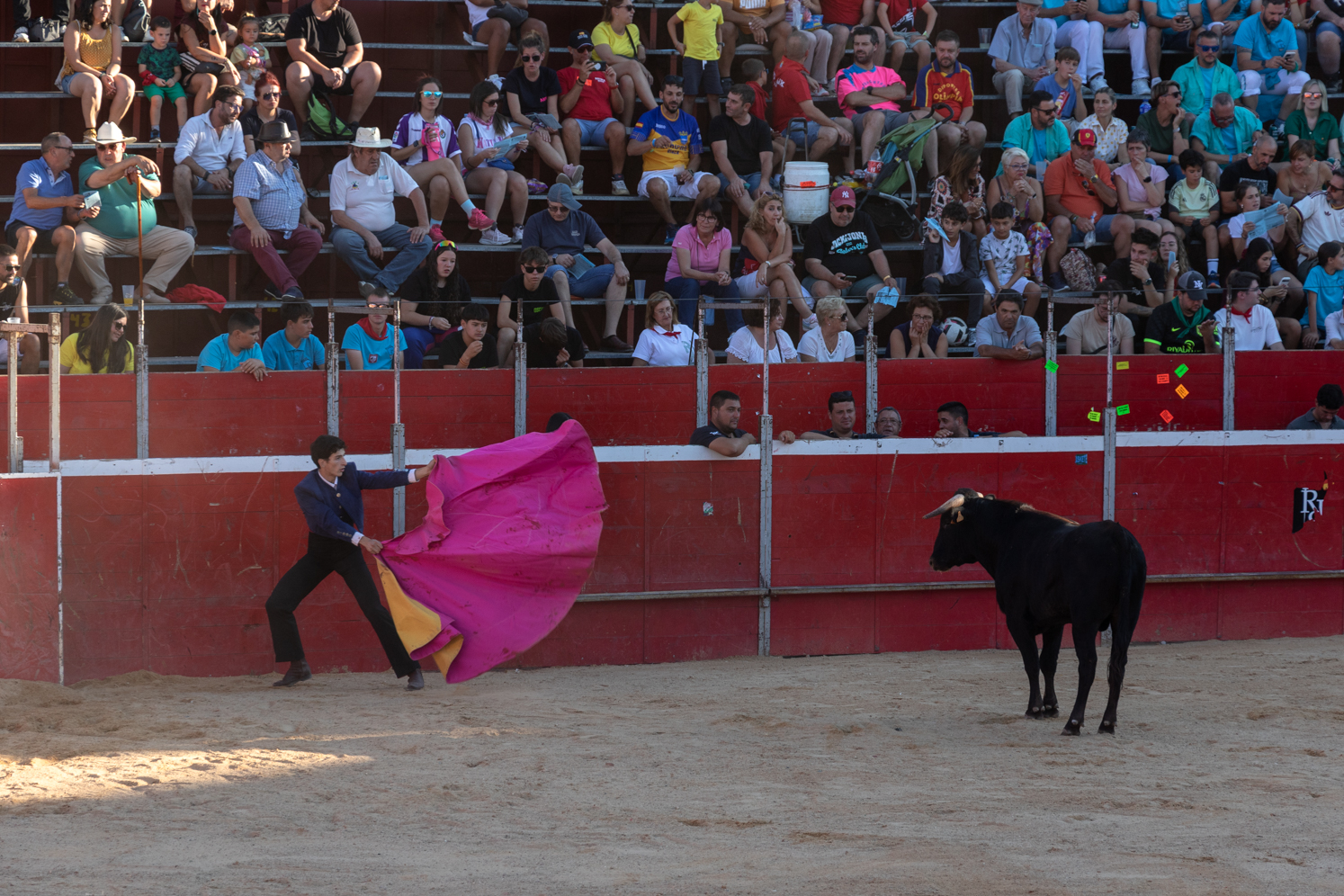
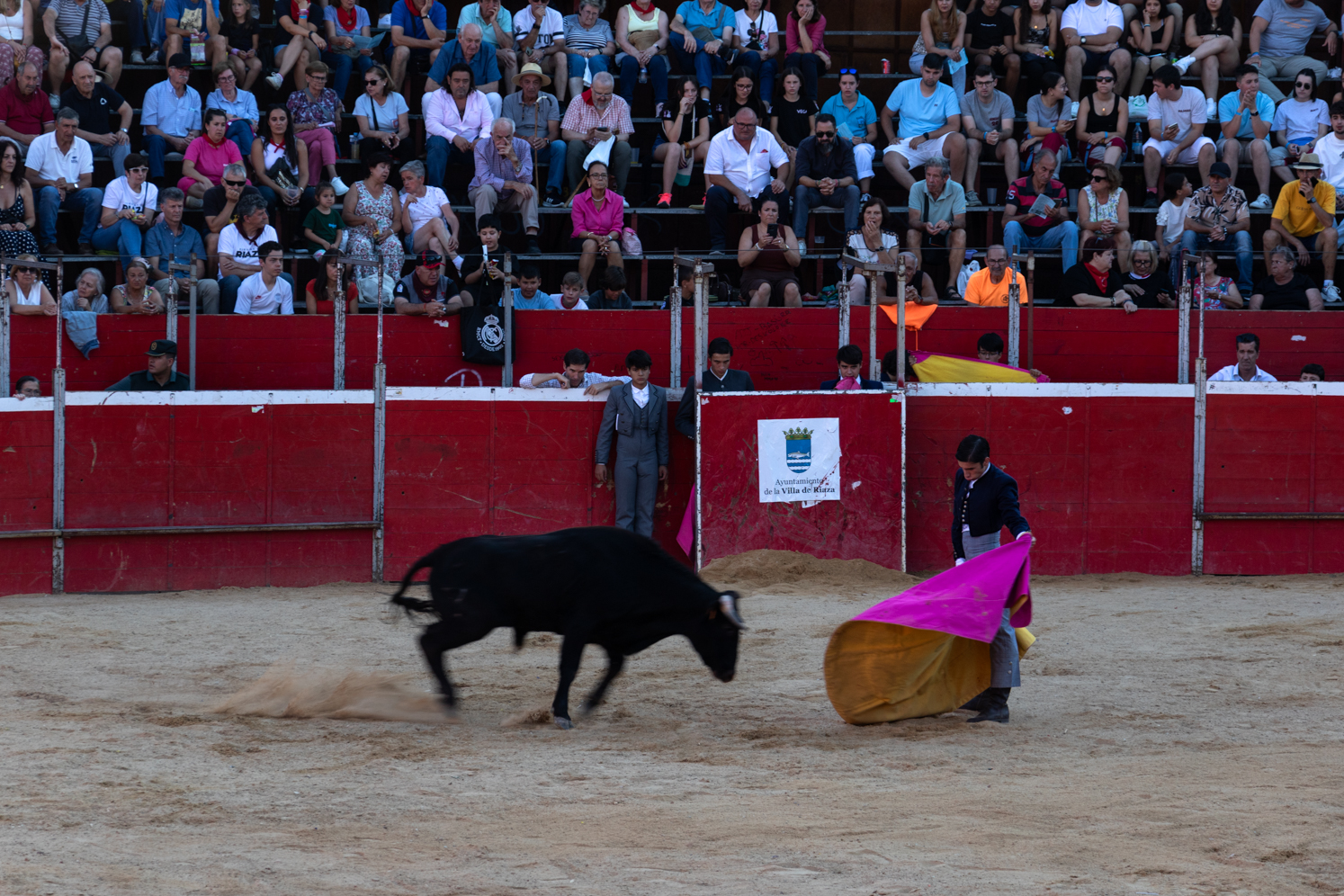
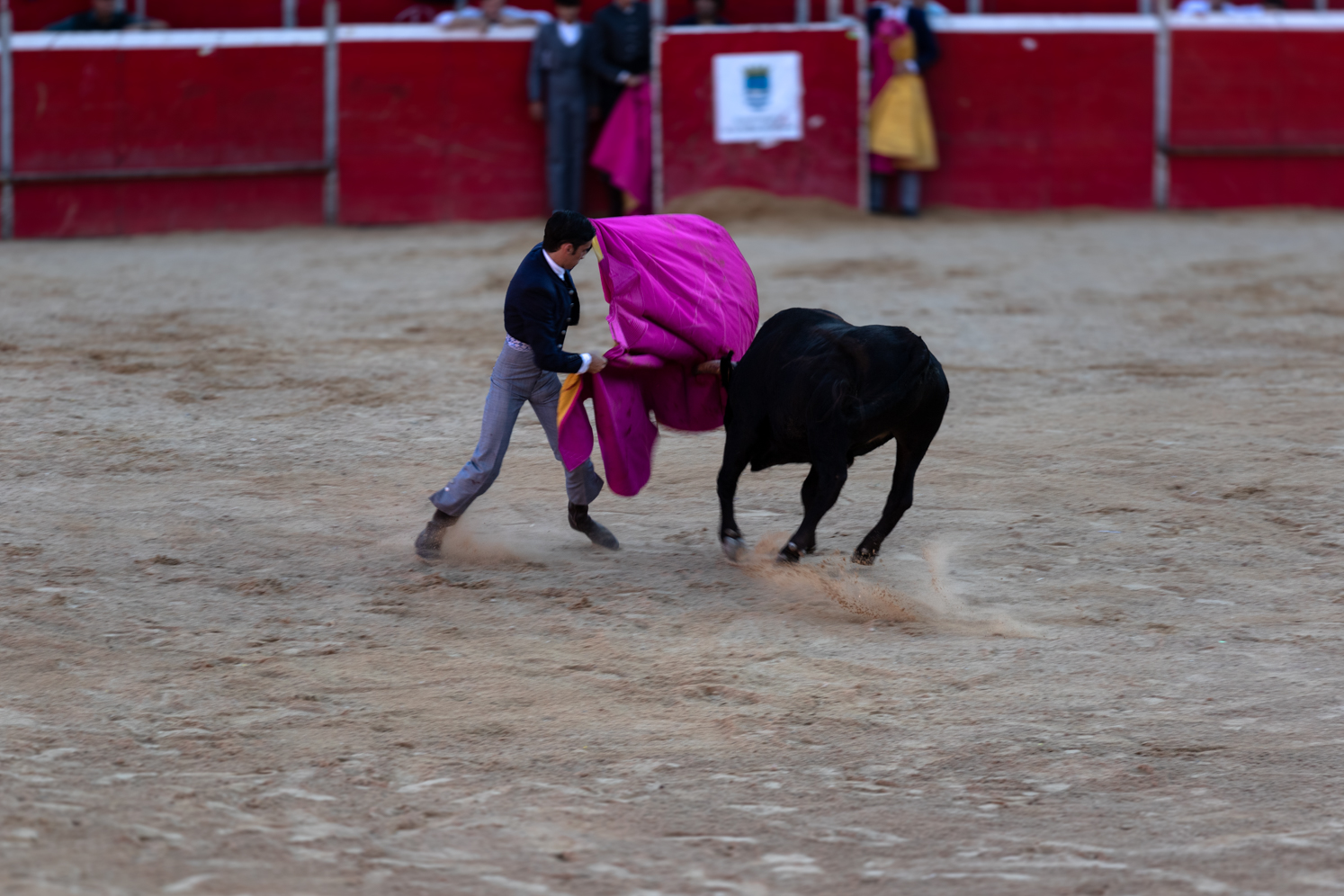
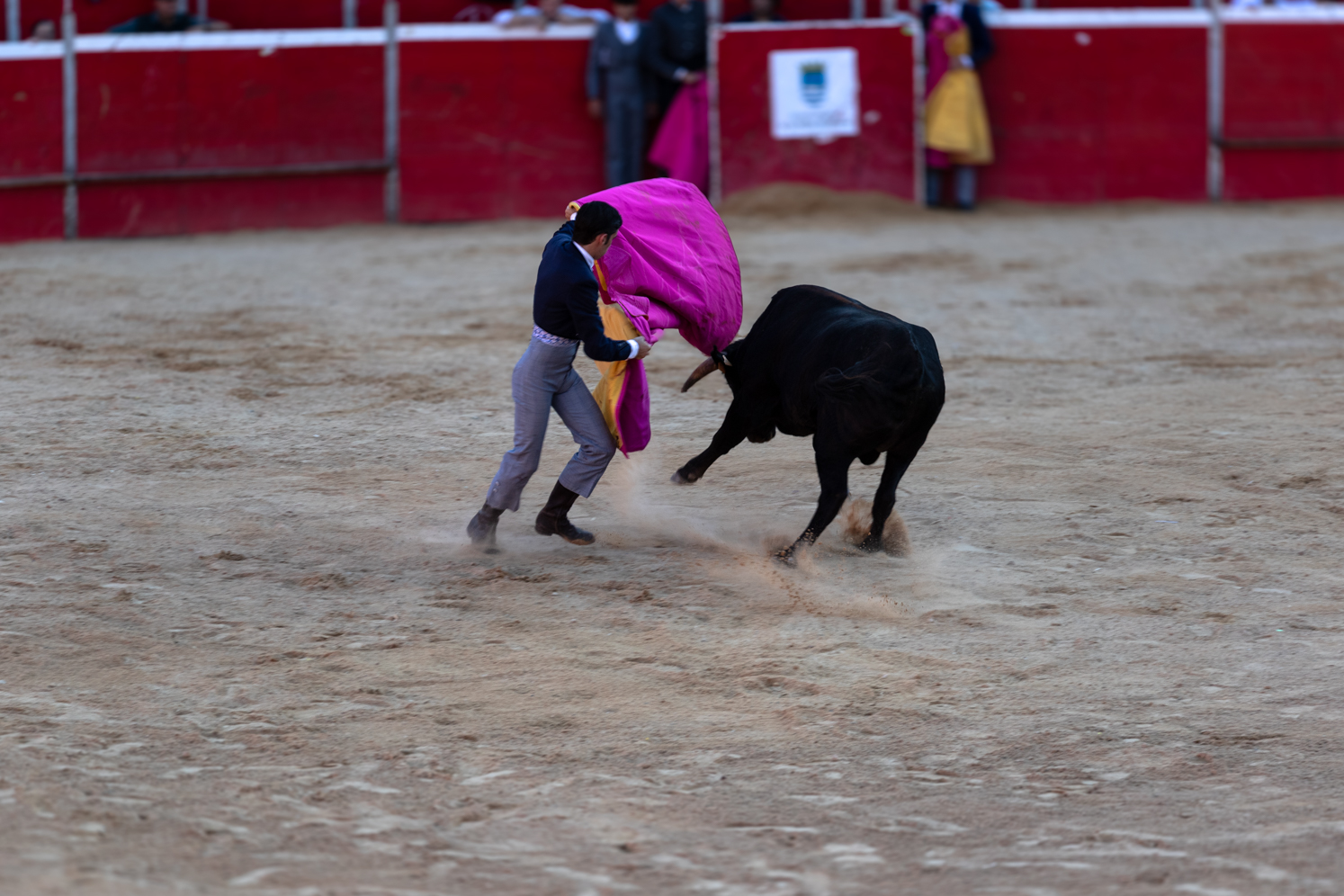
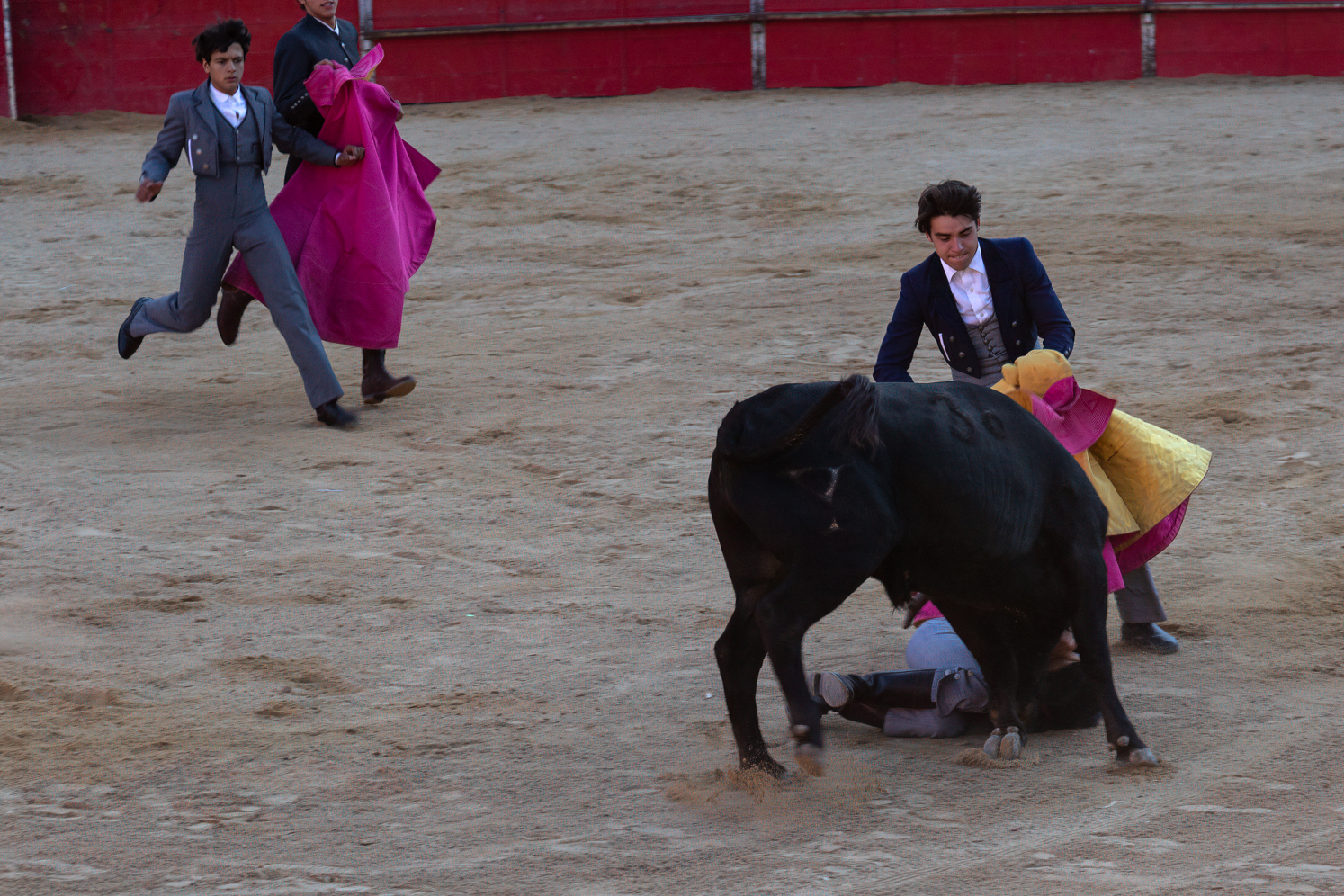
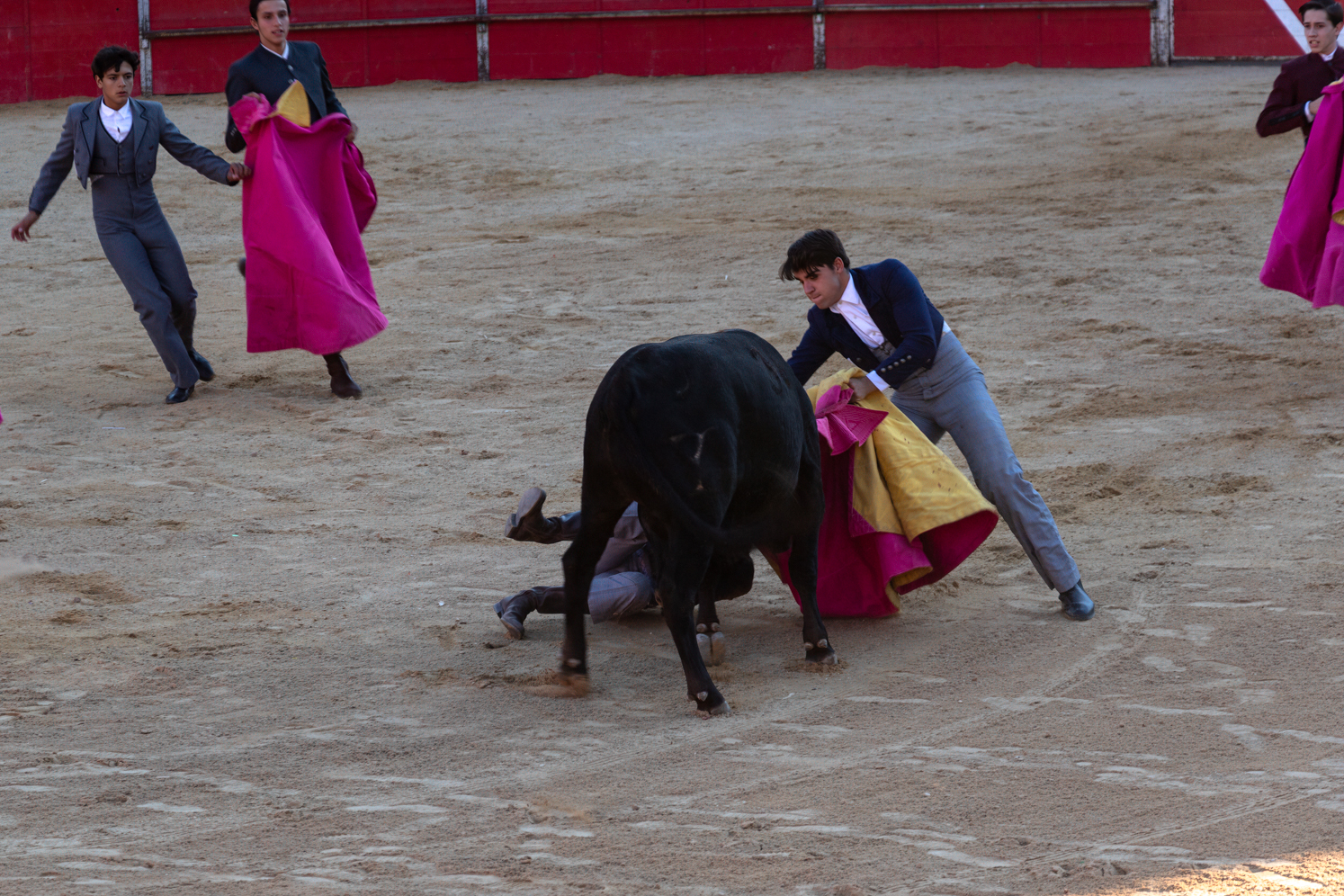
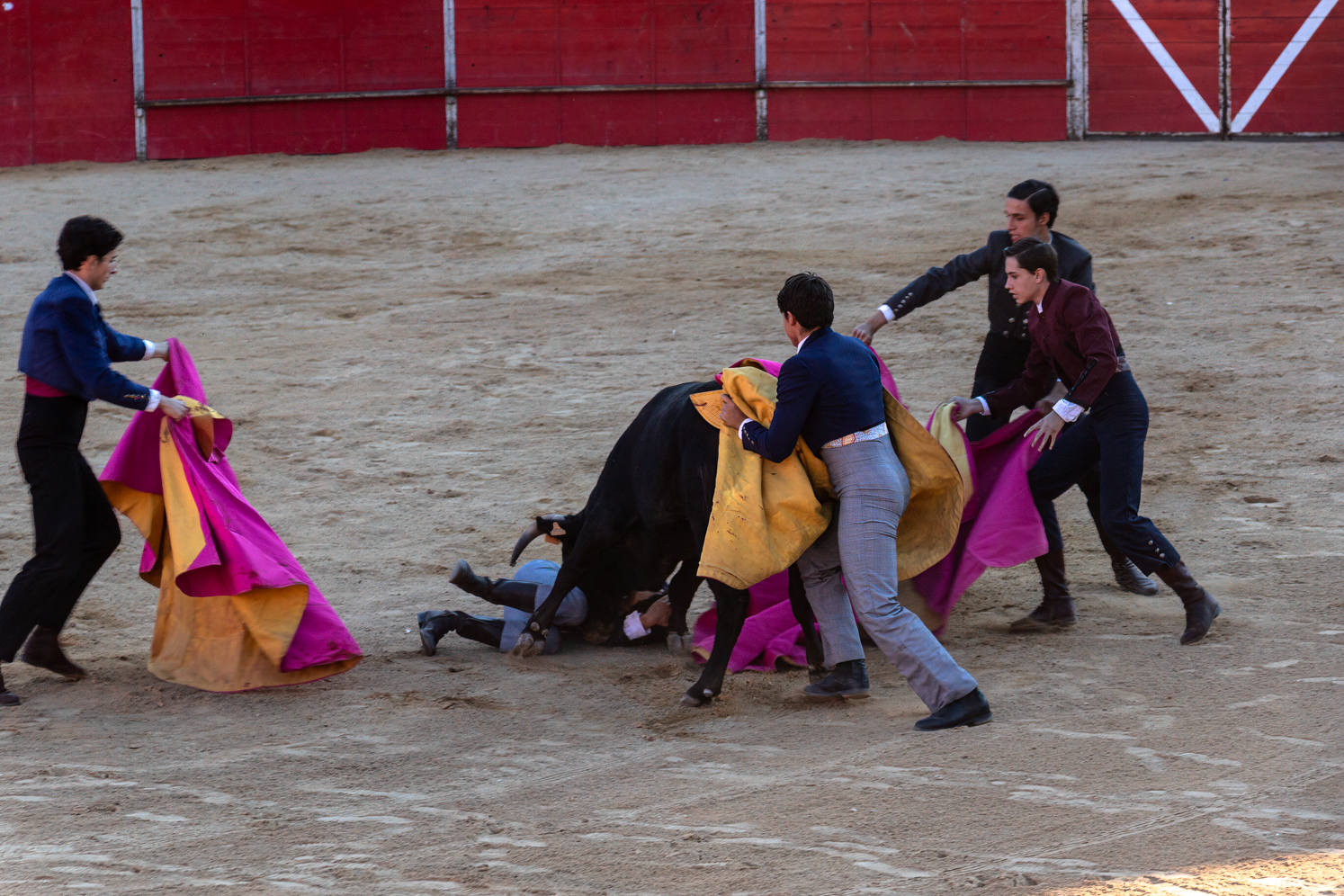
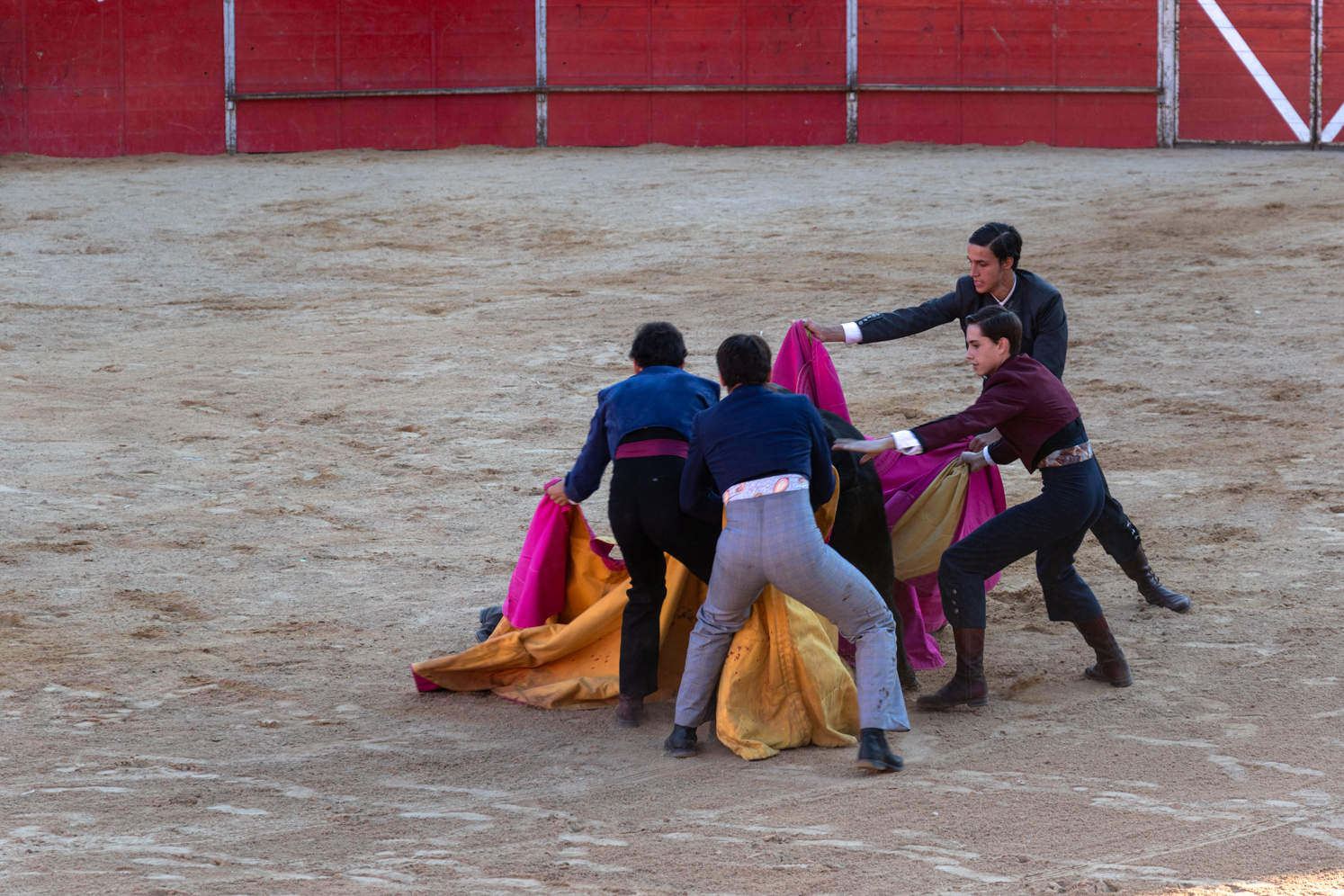
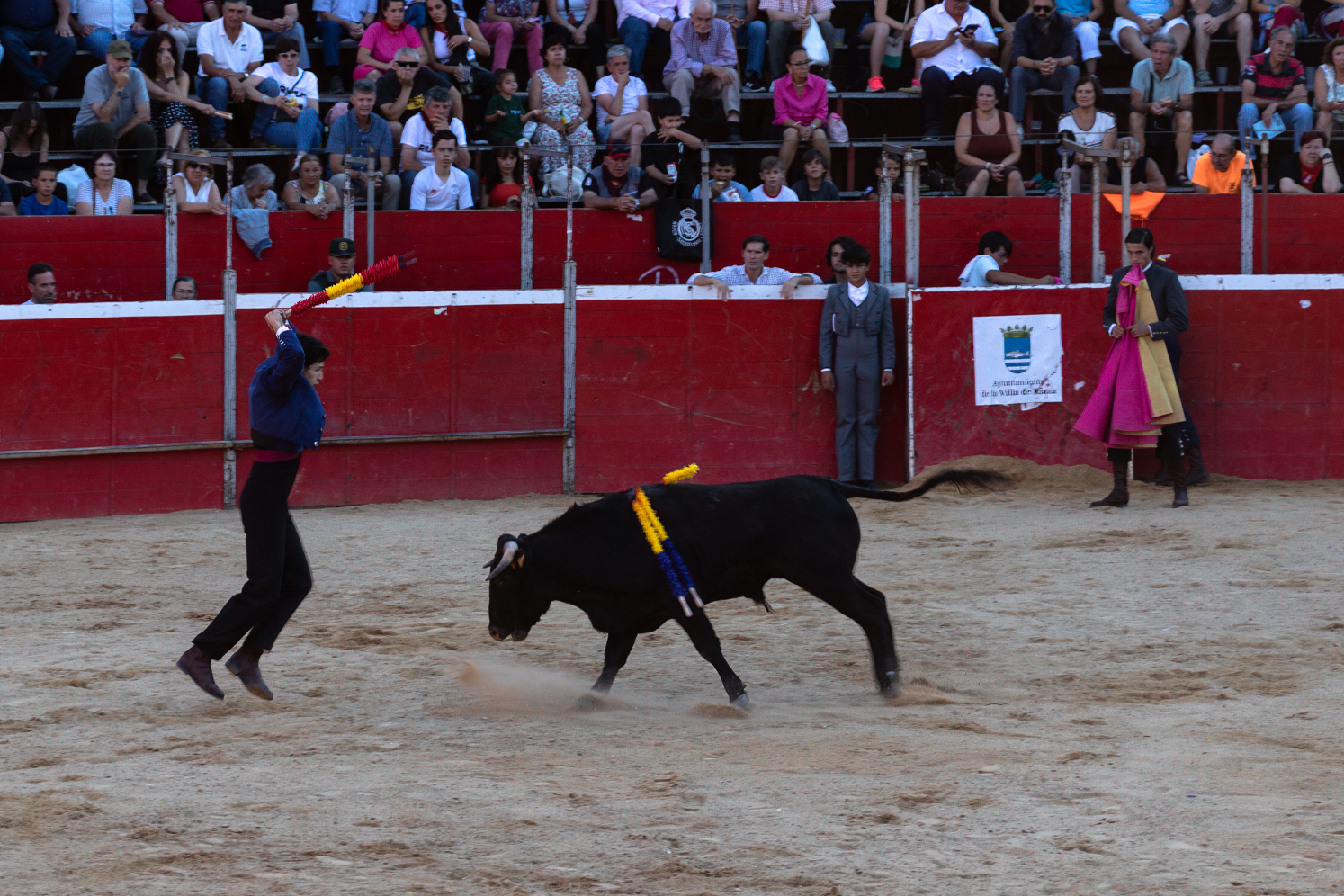
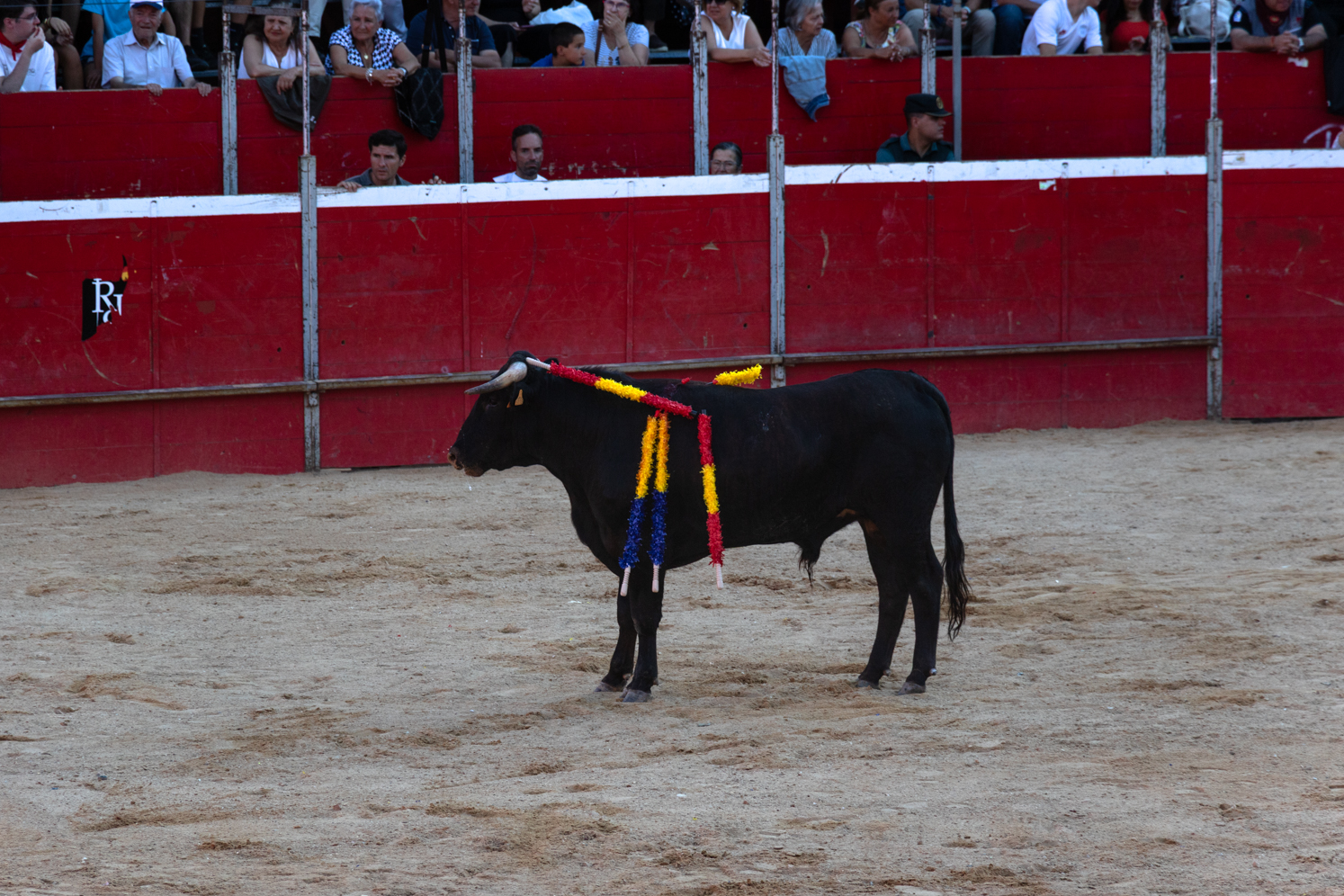
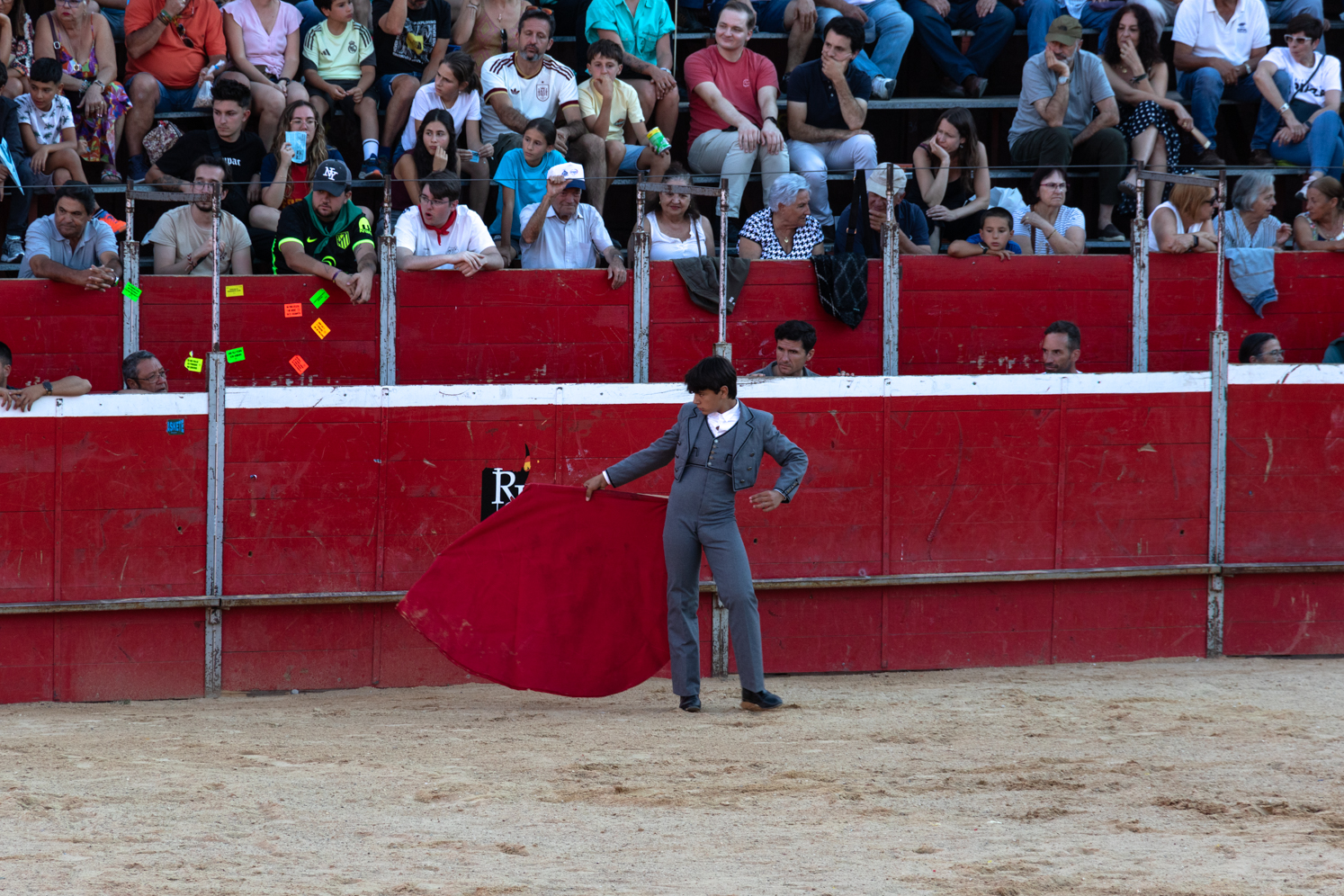
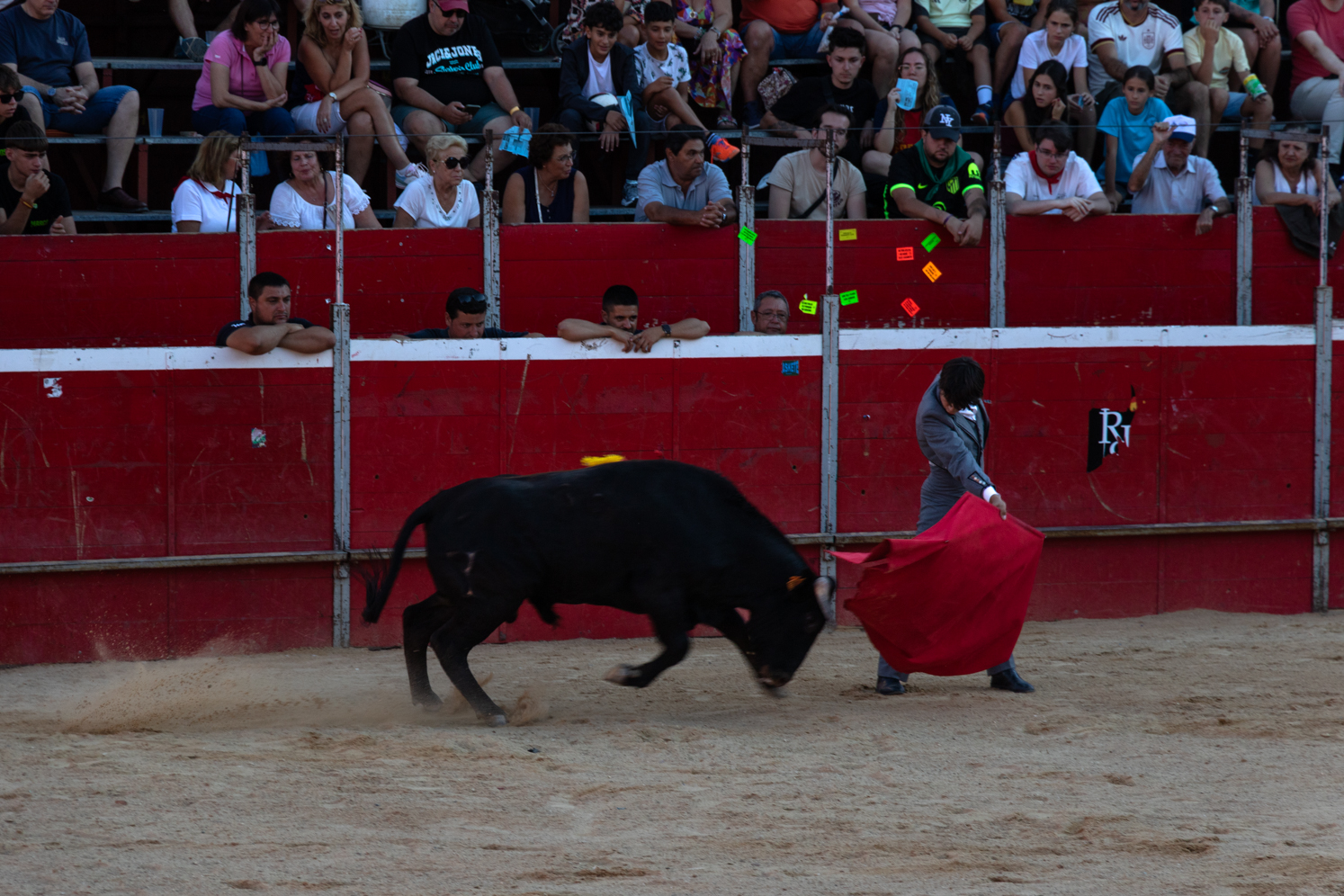
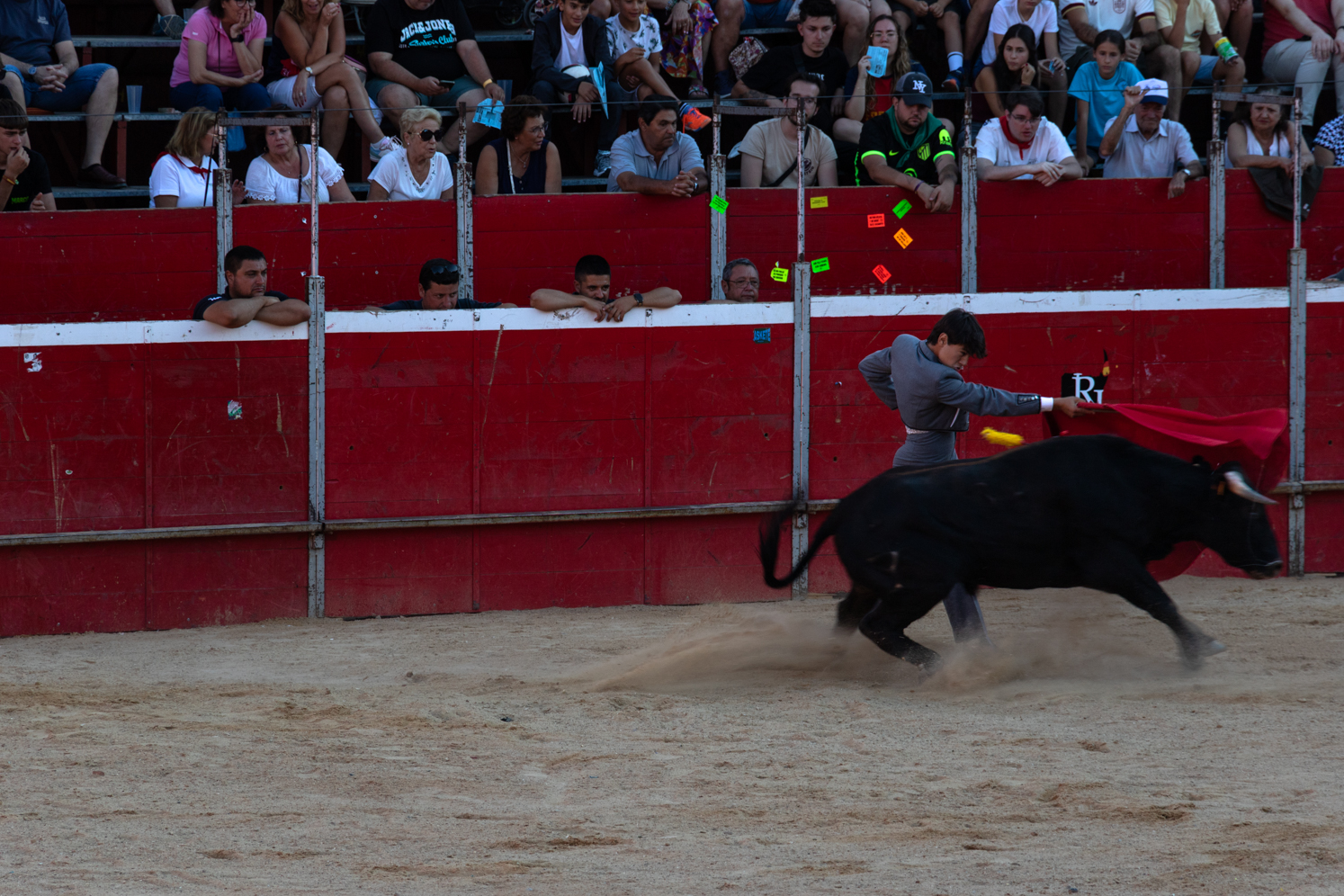
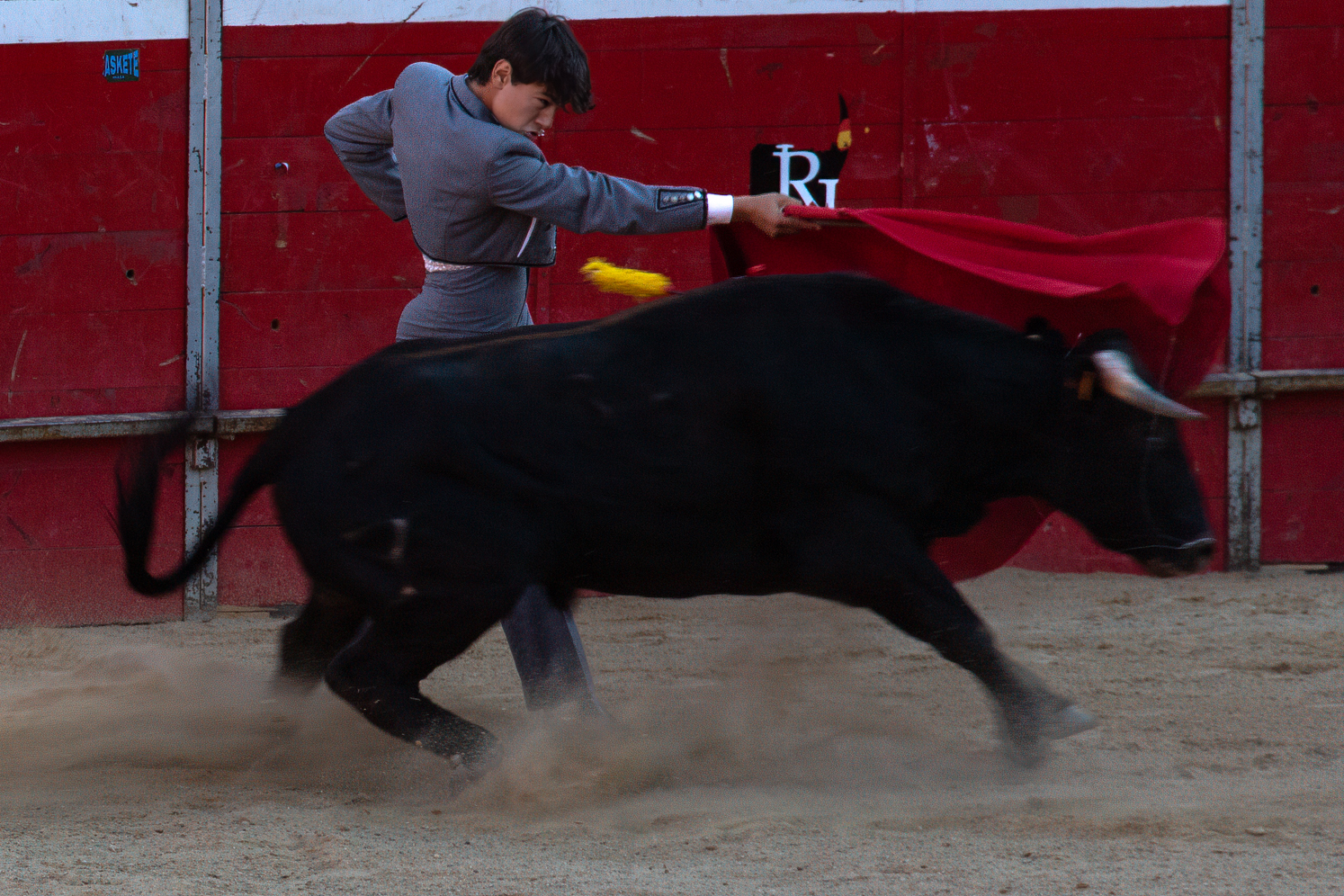
From the campervan site, we could hear music and applause. Curious, I walked to the Plaza Mayor. There I discovered that bullfights were being held every day that week. I was allowed into the stands and, for the first time in my life, became a spectator at a “corrida” featuring young toreros. I found it incredibly tense. Although I felt uneasy, I was fascinated by what I saw. The young toreros moved gracefully and with great concentration; their steps had something of a dance about them. The tension suddenly became real when two young toreros were injured by a bull and carried away. Fortunately, no horses were involved. I left when I suspected that the young bull was going to be killed. That was a step too far for me. The packed stands also included children. During the intervals, the atmosphere was almost carnival-like: music, dancing and drink, as though danger and celebration coexisted here effortlessly.
Bullfighting is deeply woven into Spanish culture. Ernest Hemingway tried to understand its appeal in Death in the Afternoon (1932). For him, the “corrida” was more than a sport: it was a tragic ceremony in which beauty, courage, fear and mortality come together. The movements of the toreros were beautiful to watch, almost like a dance reminiscent of flamenco. Yet behind that beauty lies an inescapable reality: the bull dies, and sometimes the matador also pays the ultimate price.
I understand that, for many Spaniards, the corrida represents history, identity and ritual. Even so, I hope that one day this tradition will take a form in which animal suffering is reduced to a minimum. My afternoon in Riaza left me with conflicting feelings: impressed by the courage and movement, shocked by the cruelty, and also somewhat uncertain about my own role as a spectator.

Comments are closed.