Letizia Battaglia: Life, Love and Death in Sicily
Photography
Letizia Battaglia: Life, Love and Death in Sicily
A retrospective
Quite some time ago, I first encountered Letizia Battaglia’s work in Black & White Photography magazine, where she was featured for her fearless documentation of Mafia violence in Sicily. The photograph of Rosaria Schifani, the widow of bodyguard Vito Schifani, who was killed together with judge Giovanni Falcone, made a lasting impression on me. The more I learned about Battaglia and her photographs, the greater my respect became for her courage, humanity and artistic vision.
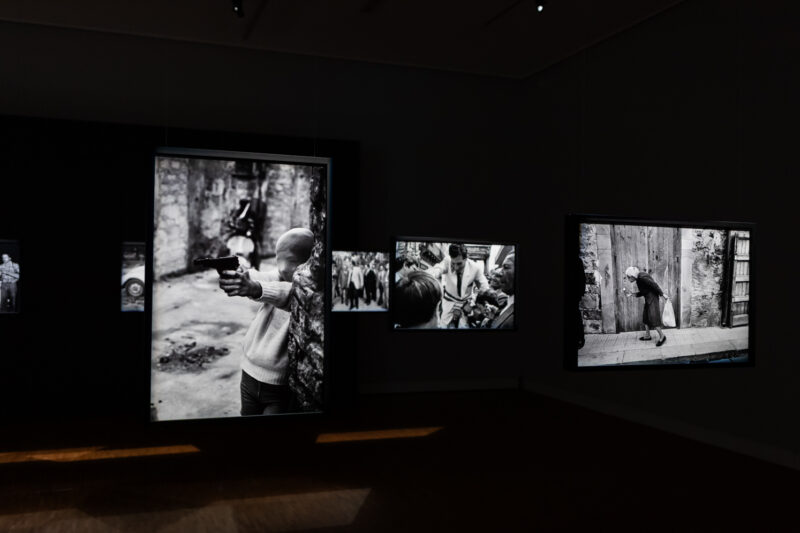
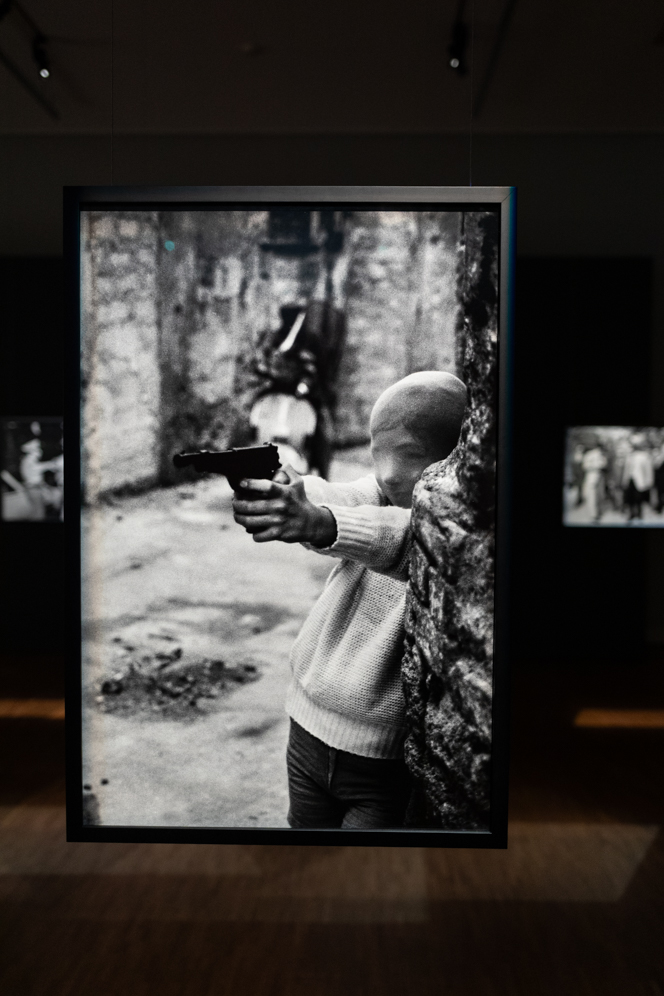
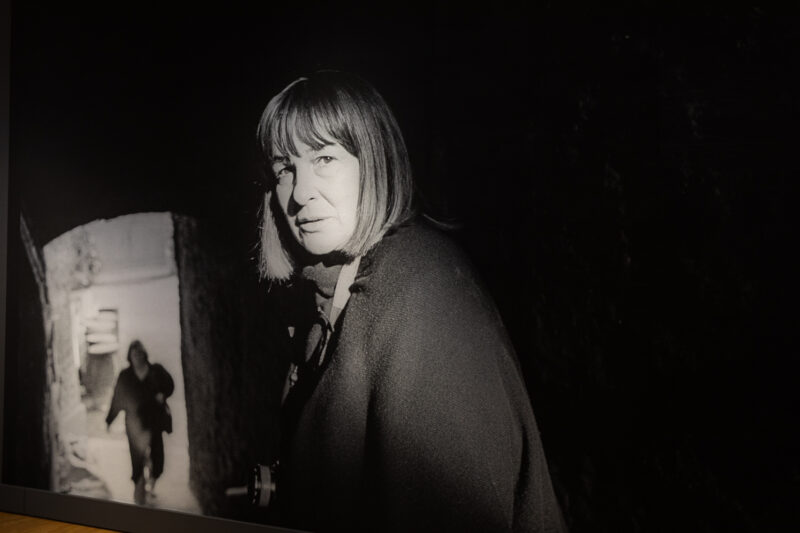
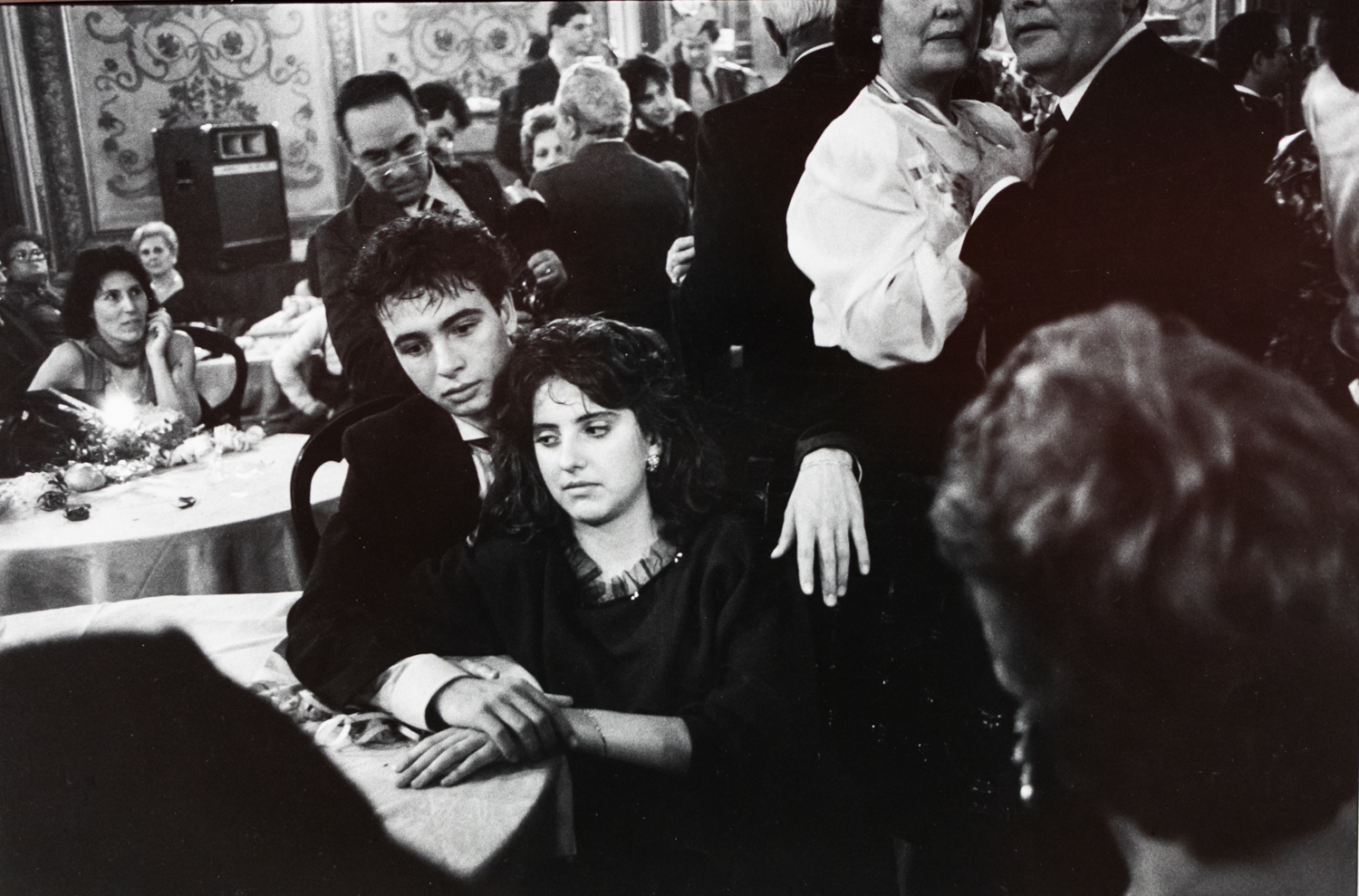
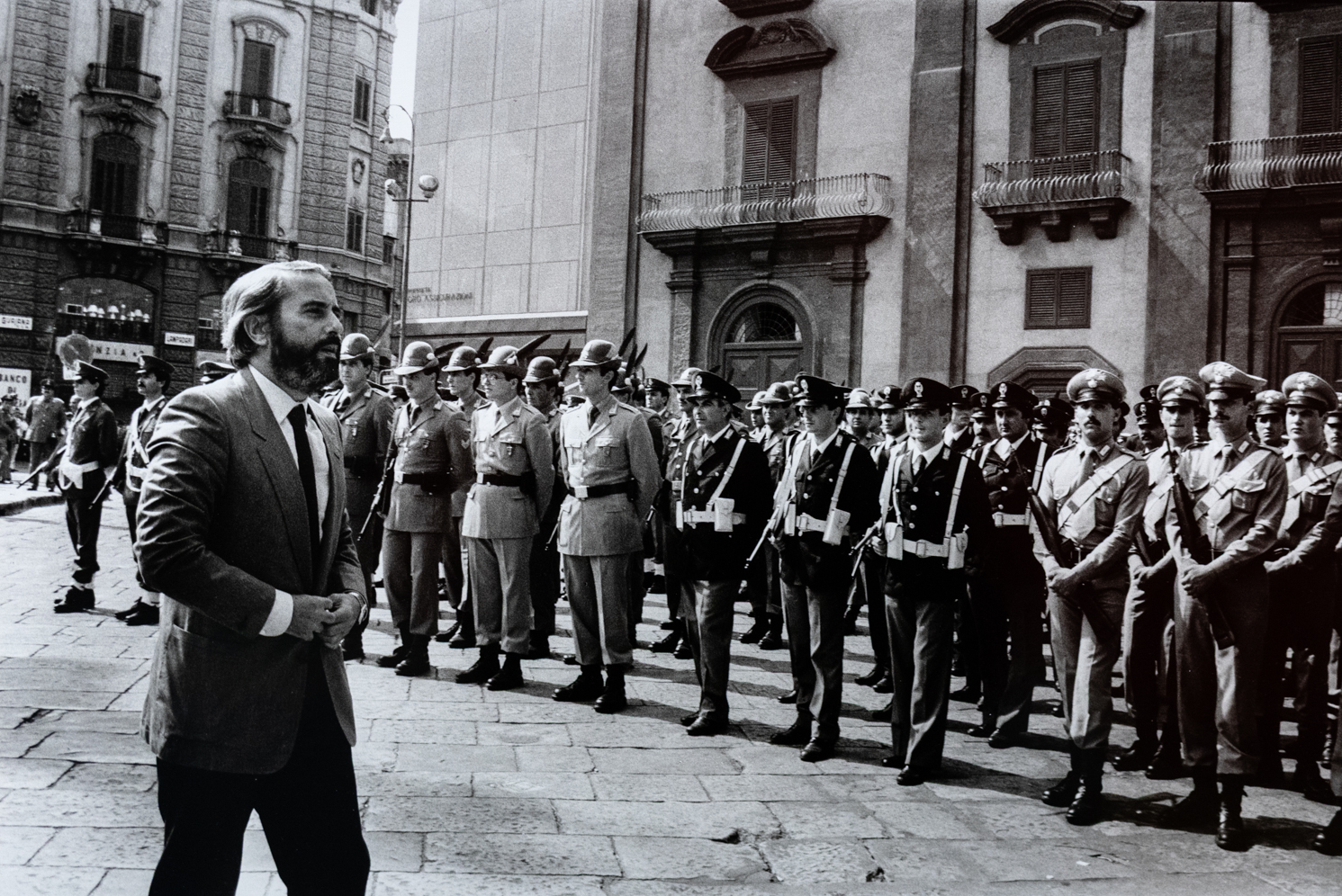
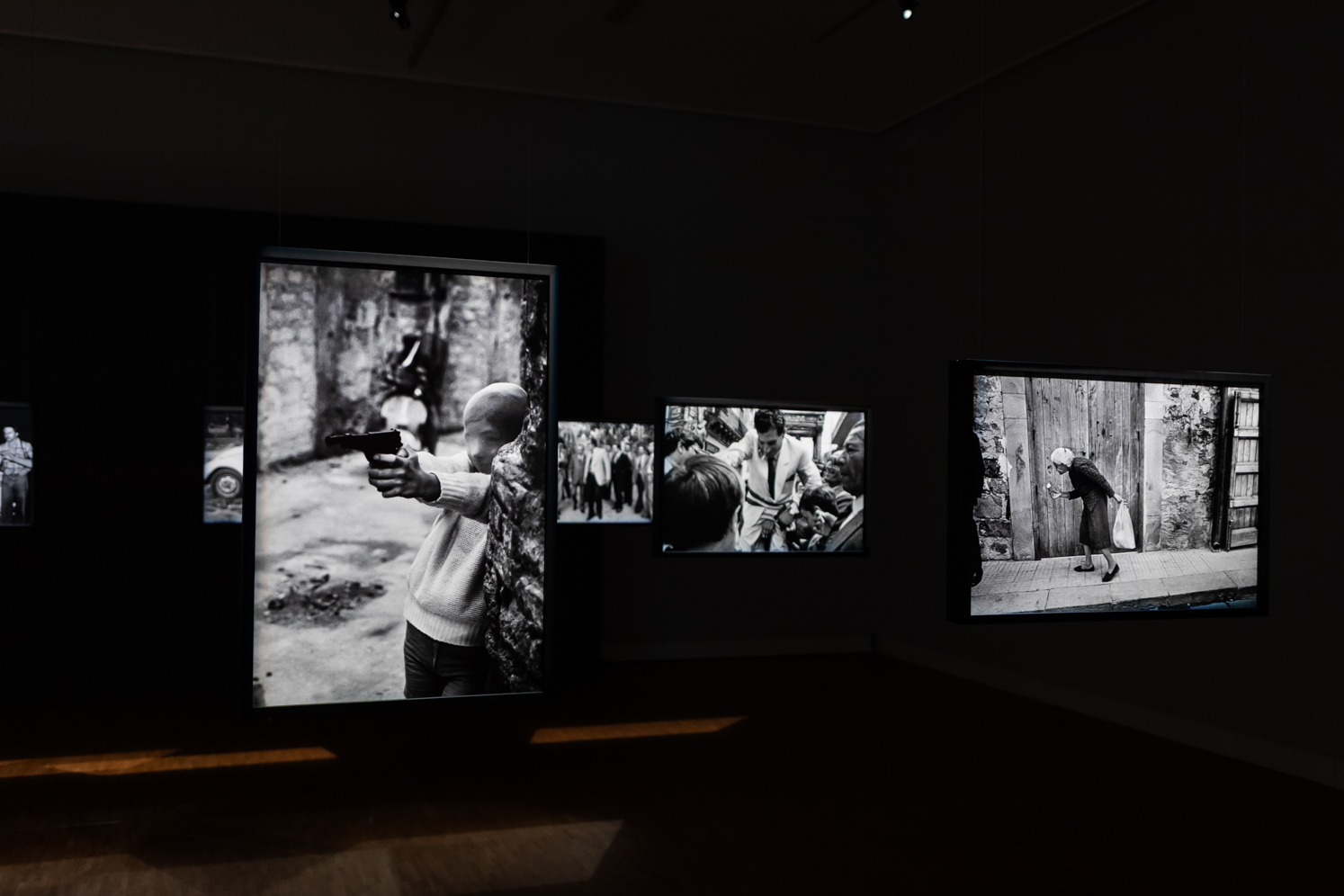
That is why I was so pleased to discover that Fotomuseum Den Haag is presenting Letizia Battaglia: Life, Love and Death in Sicily until 23 August. I visited the exhibition yesterday and felt that her work is presented with great care and respect. The museum describes the exhibition as the first major retrospective since Battaglia’s death in 2022. It includes work from the period 1971 to 2021 and shows that her practice extended far beyond Mafia crime scenes: she also photographed everyday Sicilian life, rituals, children, women, mourning and intimacy.
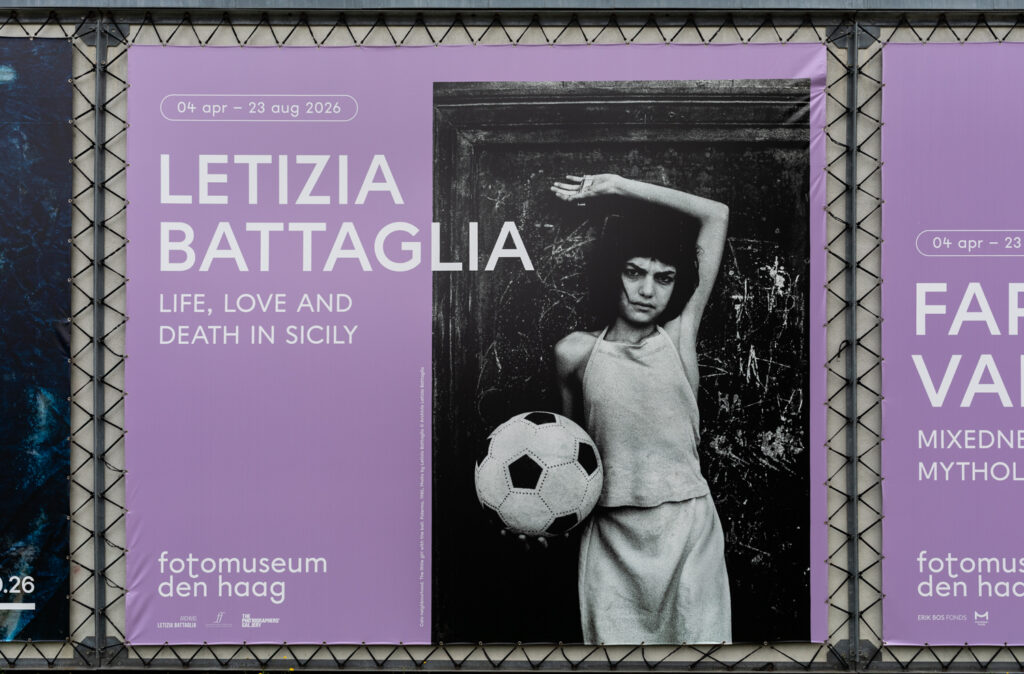
More about Letizia Battaglia:
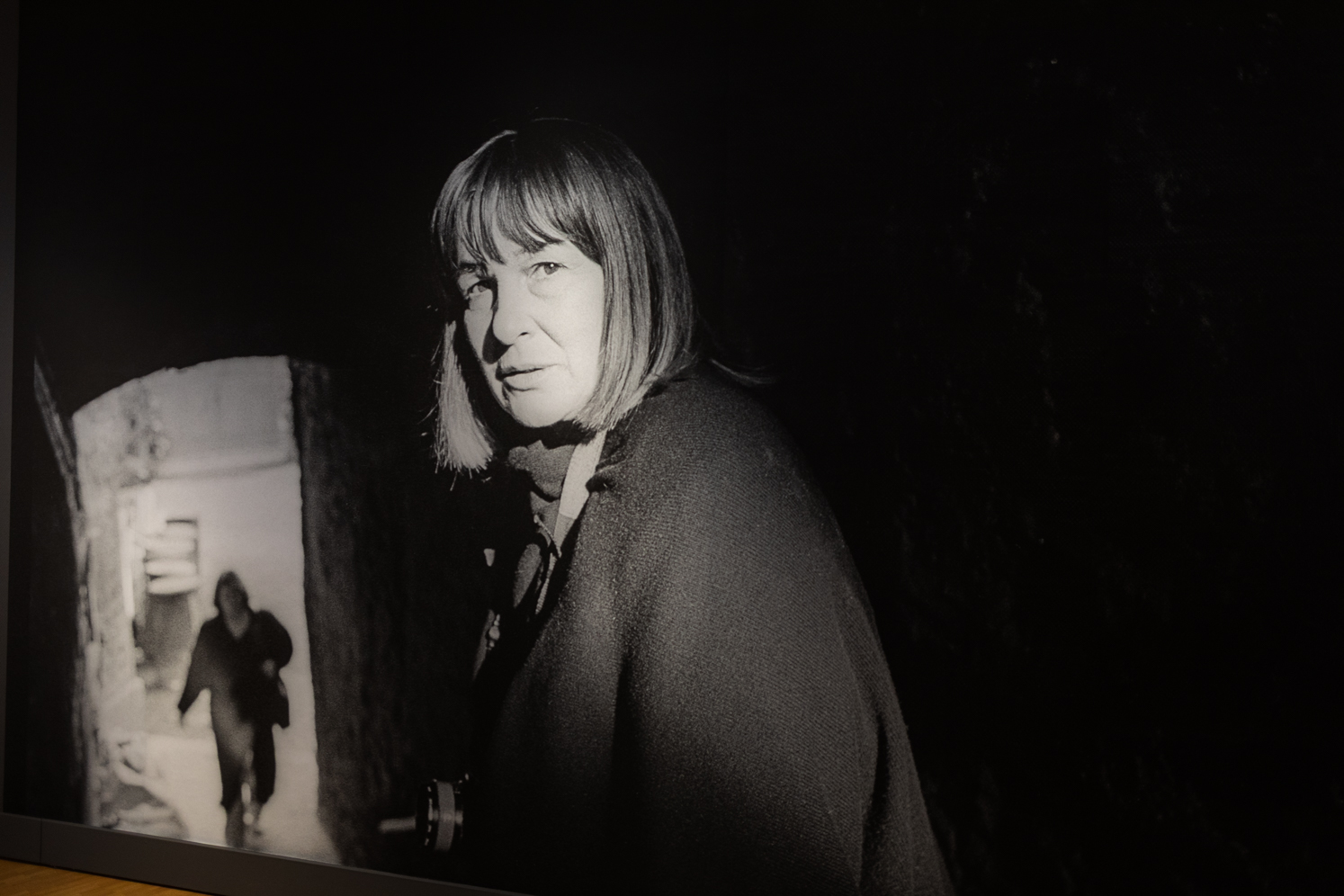
Letizia Battaglia was an Italian photographer, photojournalist, activist and politician. She was born in Palermo in 1935 and died in Cefalù in 2022. In 1969, she began working as a journalist for the newspaper L’Ora, and photography soon became the medium through which she made visible what many preferred not to see: the violence, corruption and social damage caused by the Sicilian Mafia.
She is best known for her powerful black-and-white photographs of Palermo in the 1970s, 1980s and early 1990s, when Mafia violence was deeply intertwined with everyday life. As photo editor at L’Ora, she and her colleagues were often present at major crime scenes. Their images became some of the most powerful visual testimonies of life in the shadow of organized crime.
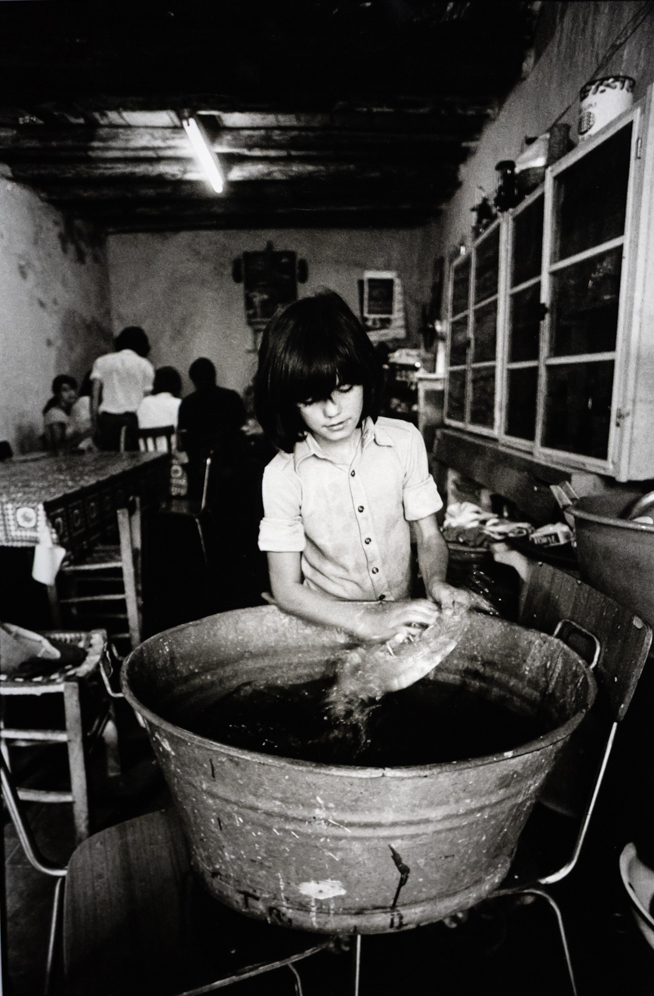
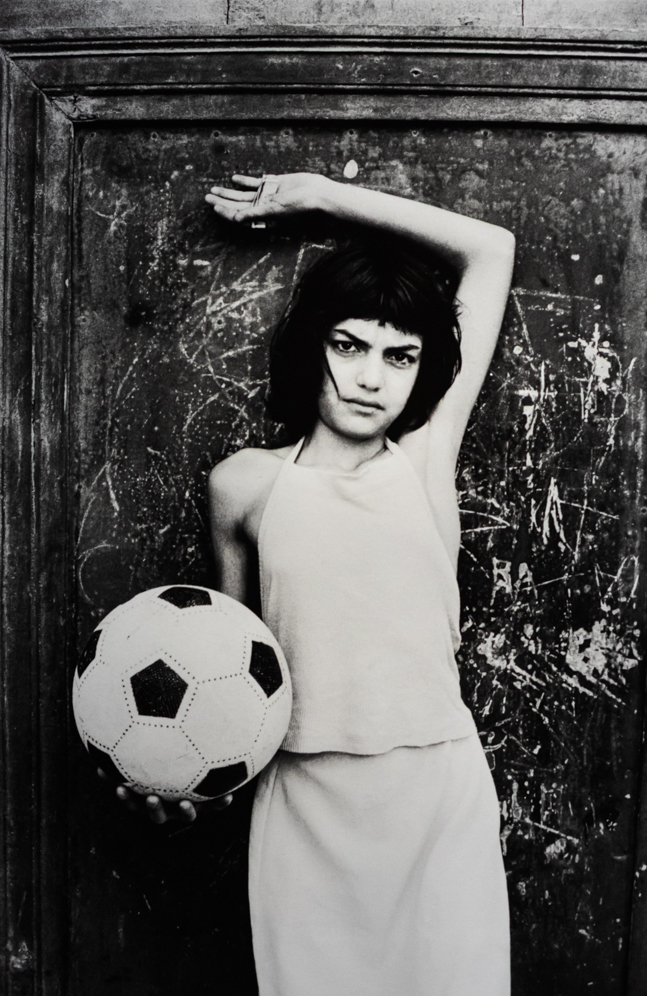
What makes Battaglia’s work especially powerful is that it is not only about death. She also photographed children, women, religious rituals, street life, poverty, intimacy, mourning and moments of celebration. As a result, a remarkable tension emerges in her work: Sicily appears as a place of cruelty and tenderness, fear and resilience, public violence and private humanity.
Her photography was also a form of resistance. She received death threats but continued to photograph because she believed that visibility could break through silence and denial. Later, she continued her anti-Mafia commitment through politics and cultural work and helped create publications and spaces connected with women’s rights, citizenship and social change. The exhibition is therefore more than a photography exhibition: it is a testimony to resistance, memory and humanity.
Sources
The biographical information about Letizia Battaglia is based on publicly available museum and archival sources, including information from Fotomuseum Den Haag about the exhibition Letizia Battaglia: Life, Love and Death in Sicily and general biographical profiles about her work as a photographer, photojournalist, activist and politician.
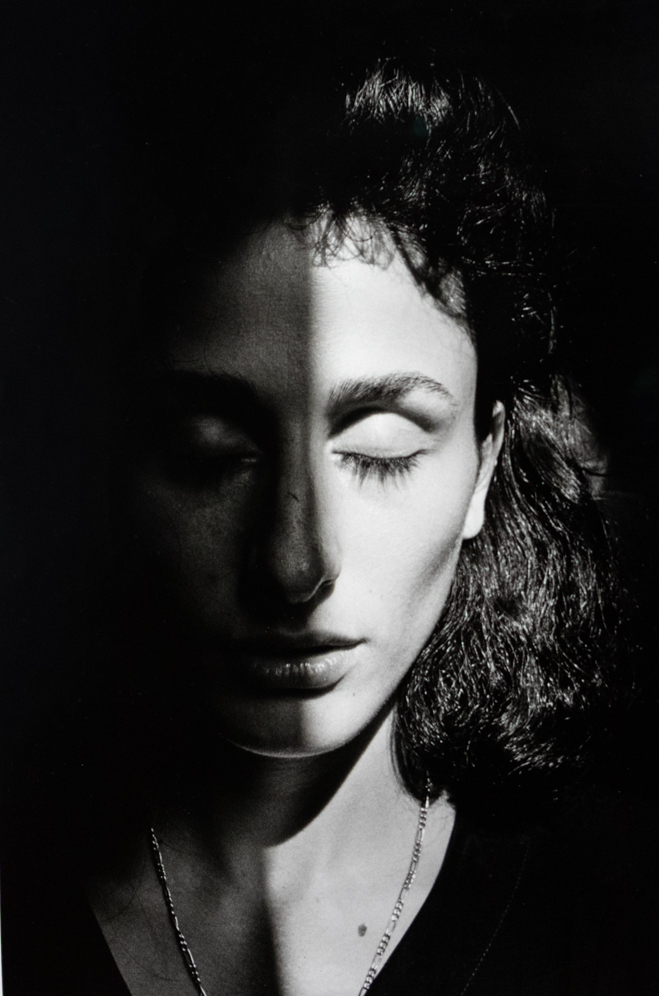
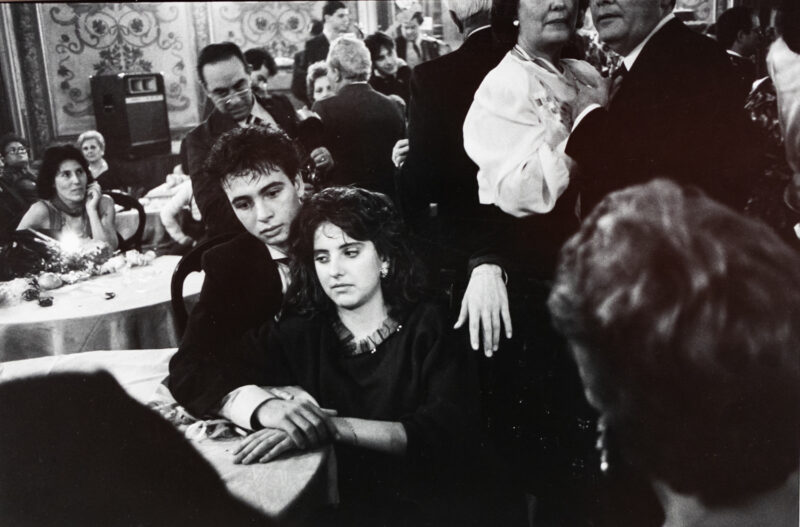
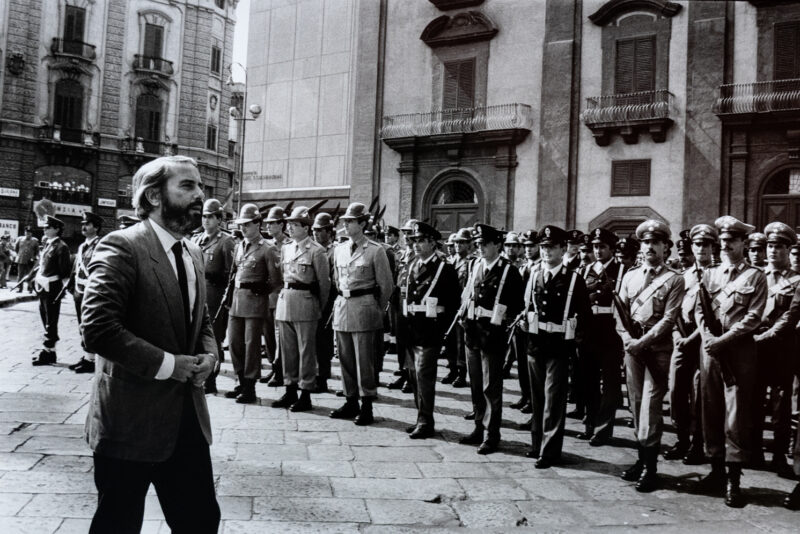
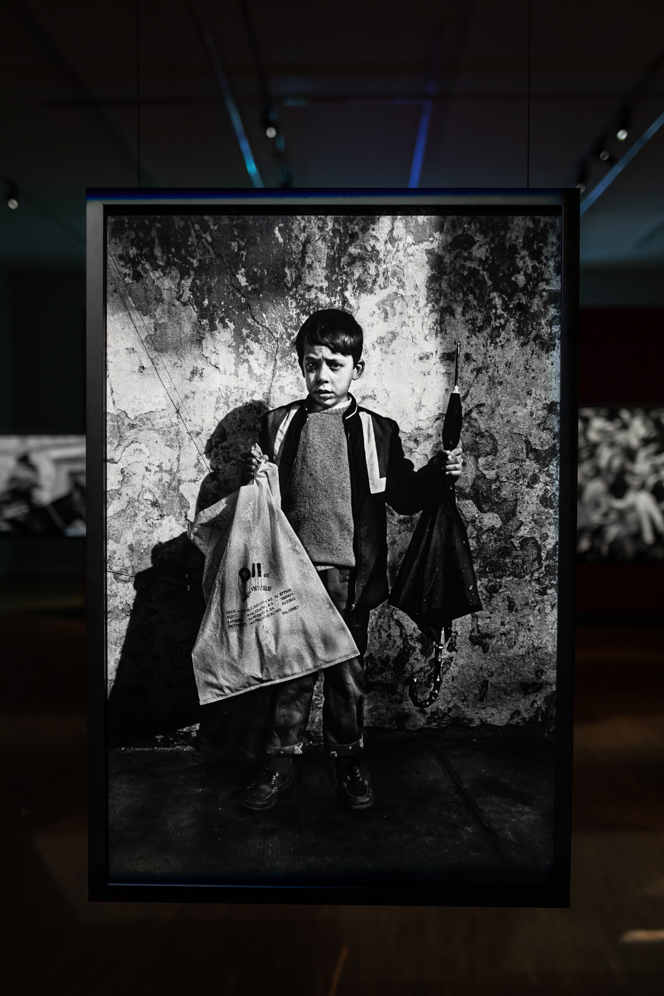
I found an interesting video on YouTube about her: LETIZIA BATTAGLIA PER PURA PASSIONE (please click). Below are some photographs that I made during my visit to the exhibition at Fotomuseum Den Haag.
Comments are closed.