Travelogue France, Spain and Portugal 2026
travelogue
France, Spain and Portugal 2026
In the early spring of 2026, we made a trip in the south of Europe. In France, we travelled through Nouvelle-Aquitaine, then through the north of Spain to Portugal, where we made a trip along the Atlantic coast and the Algarve. In Spain we visited cities that we had not visited before: Pamplona, Burgos, Zamora and Valladolid.
Period: 14 March 2026 – 14 April 2026. Distance 6,745 km.
Photo series
We have uploaded all our photo’s of this trip on SmugMug (our photo site). The photos of France have all been taken in Nouvelle-Aquitaine. The photos that we made in Spain and Portugal have been uploaded in the folders Spain and Portugal under the pertinent Region.
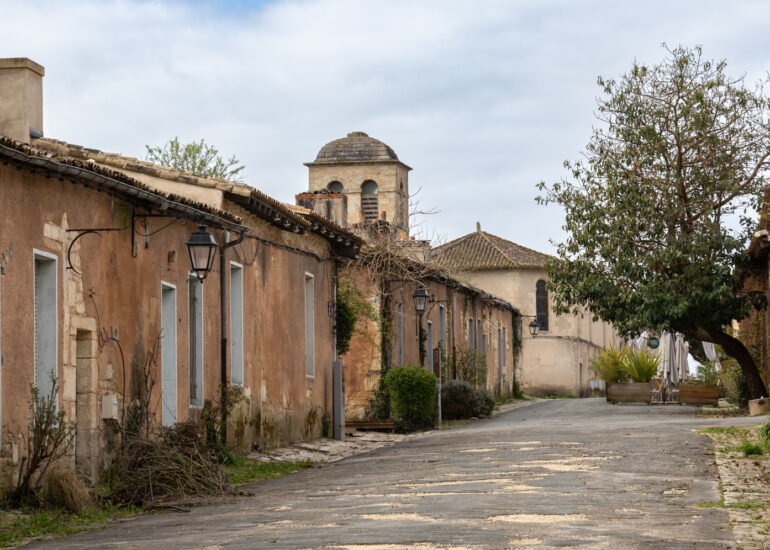
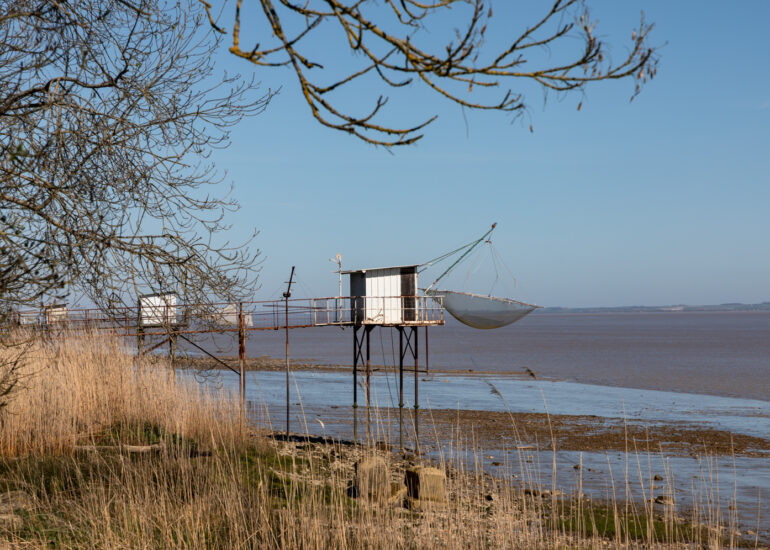
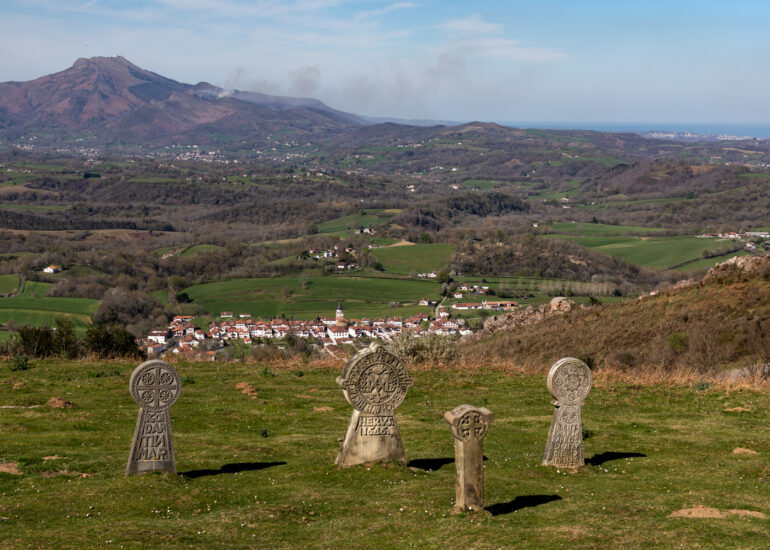
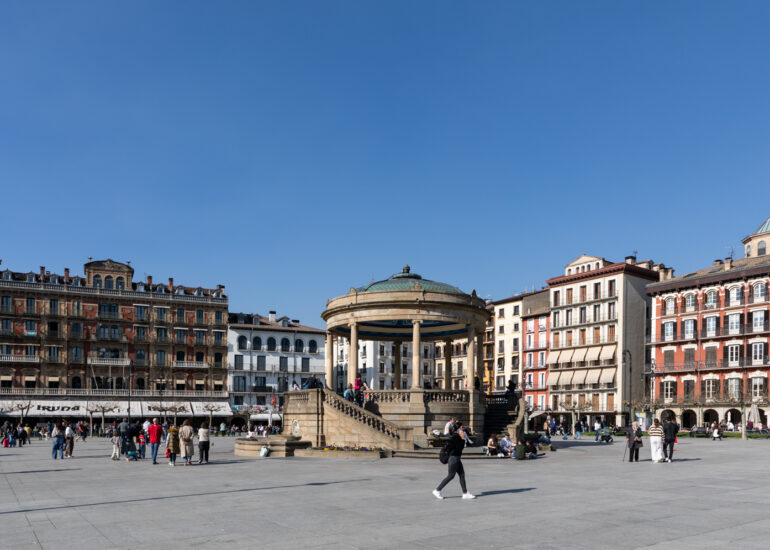
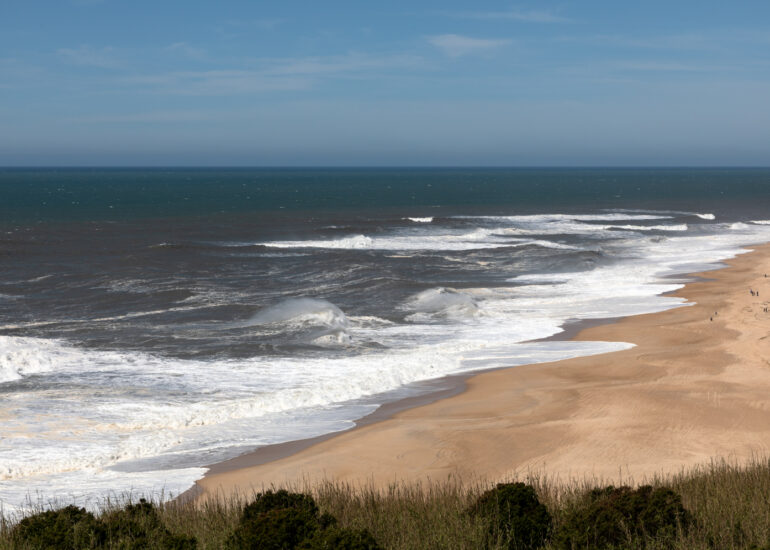
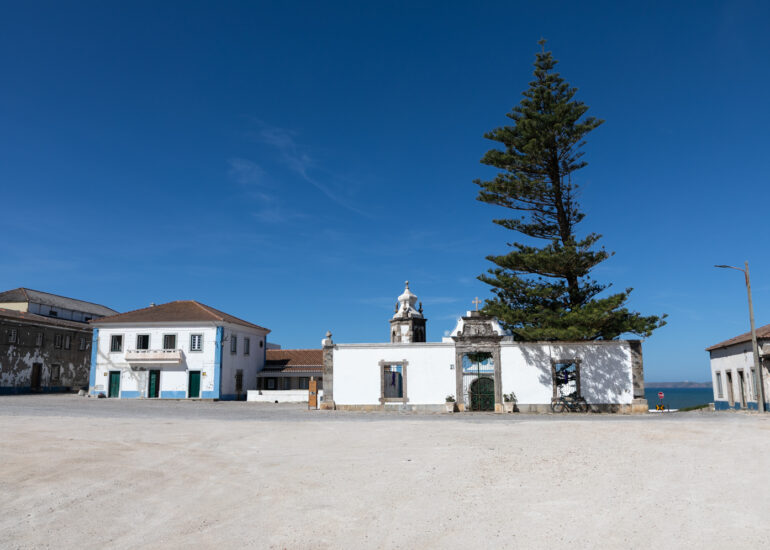
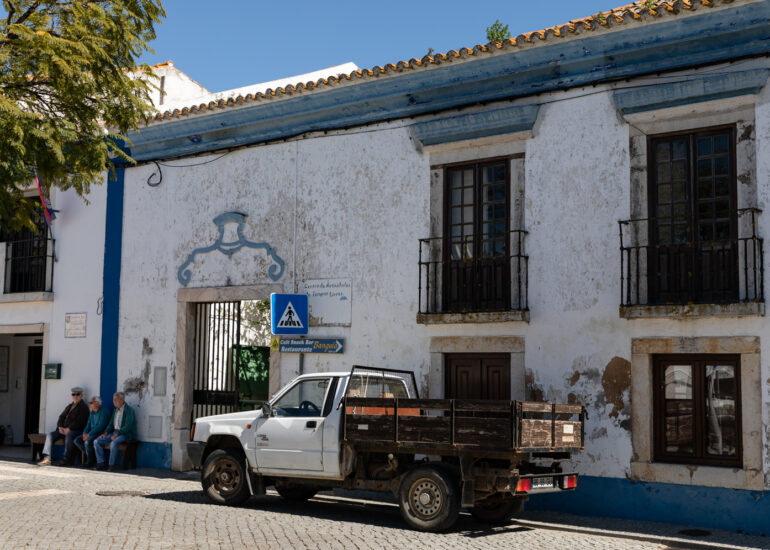
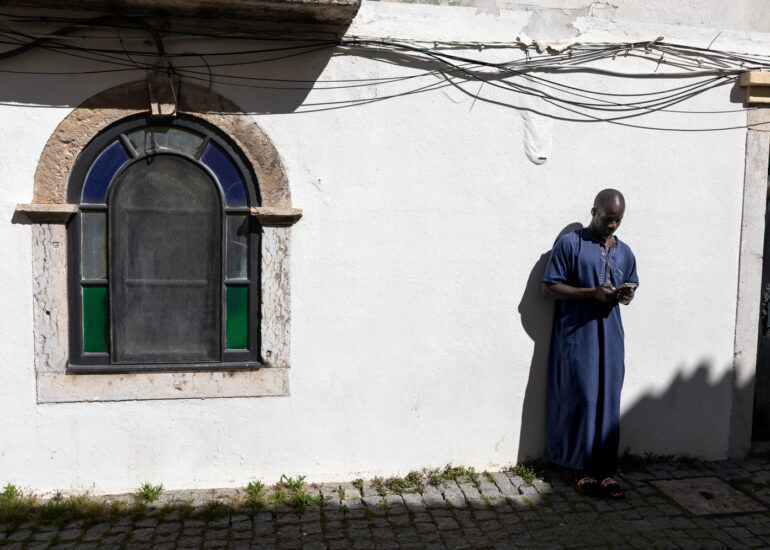
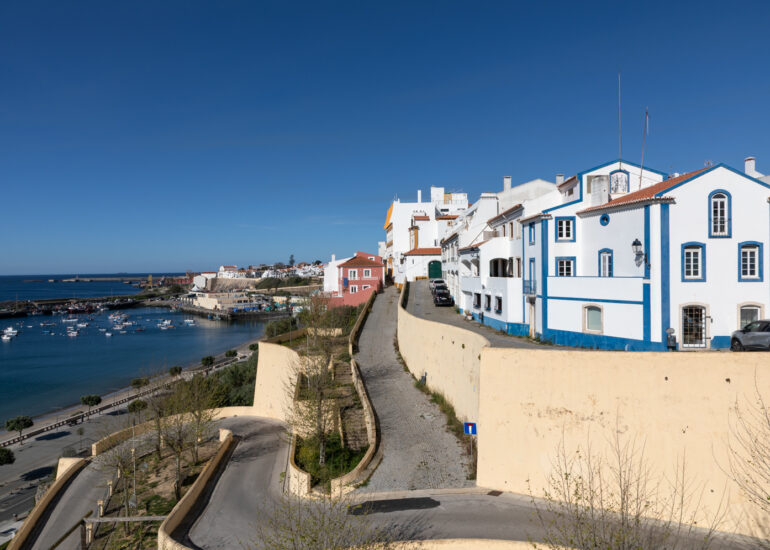
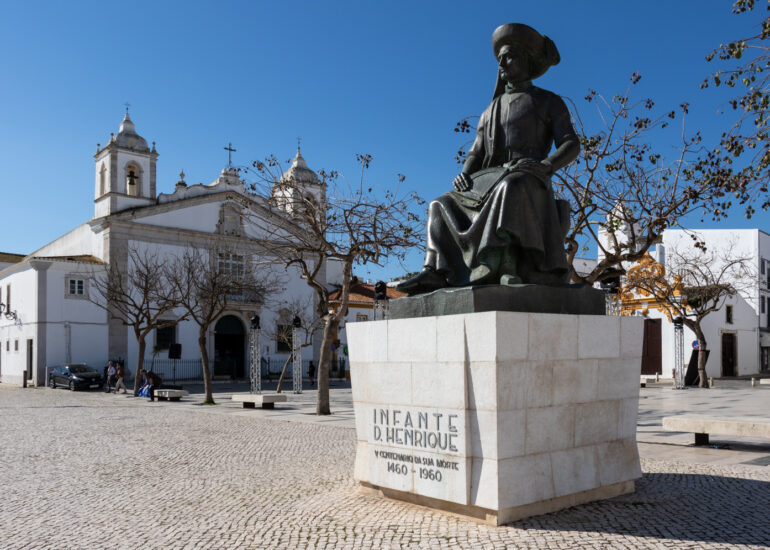
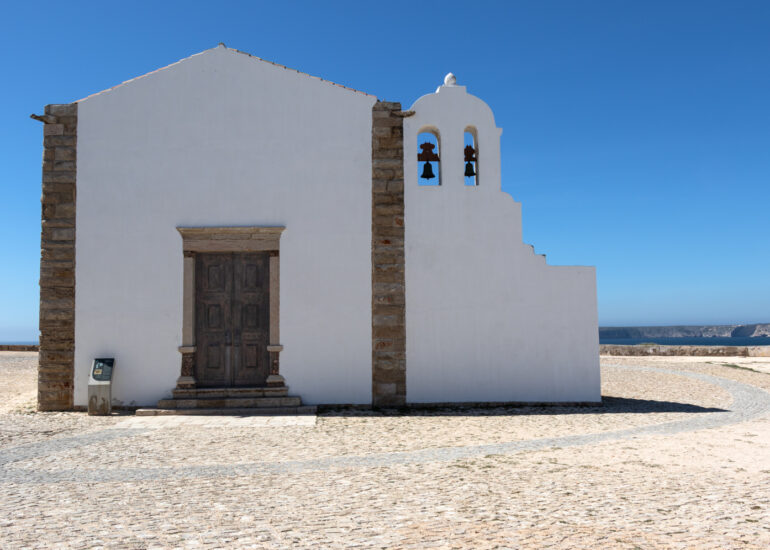
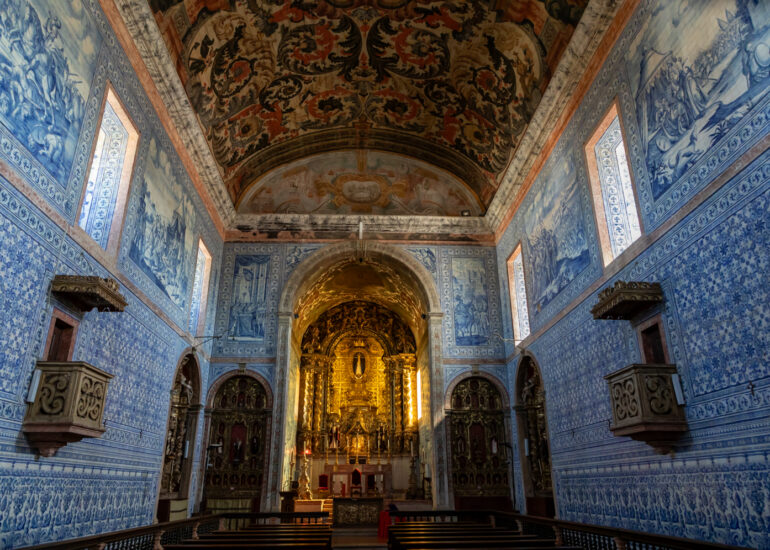
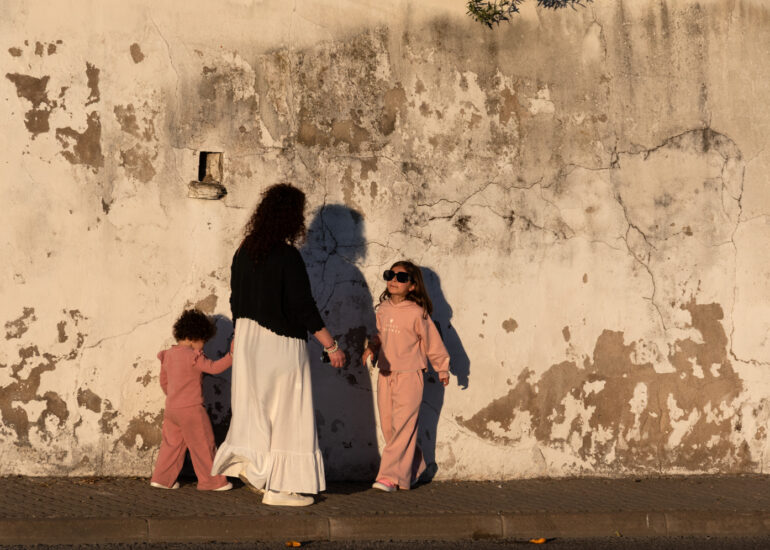
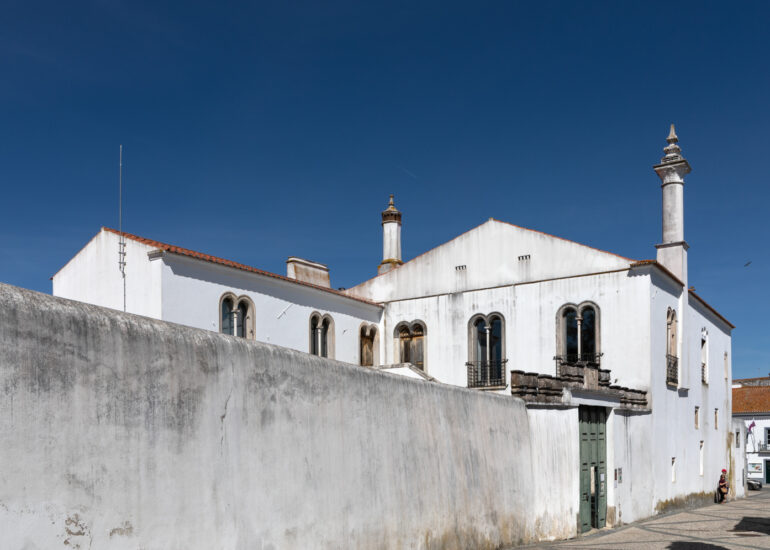
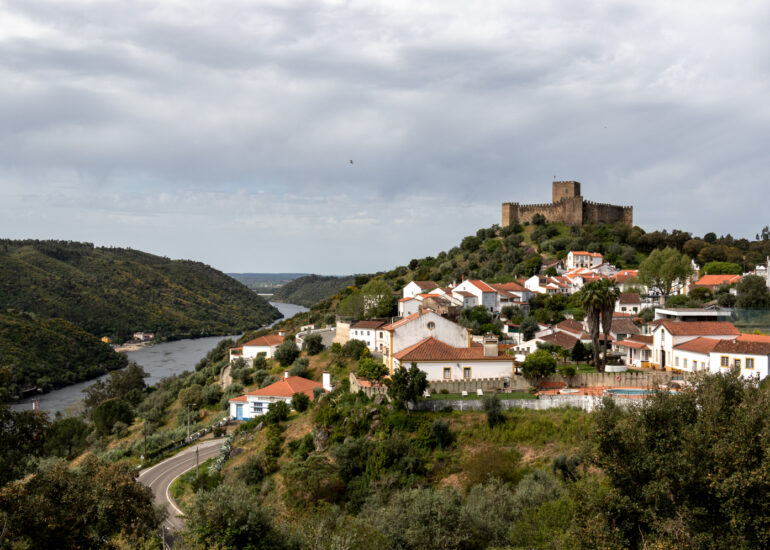
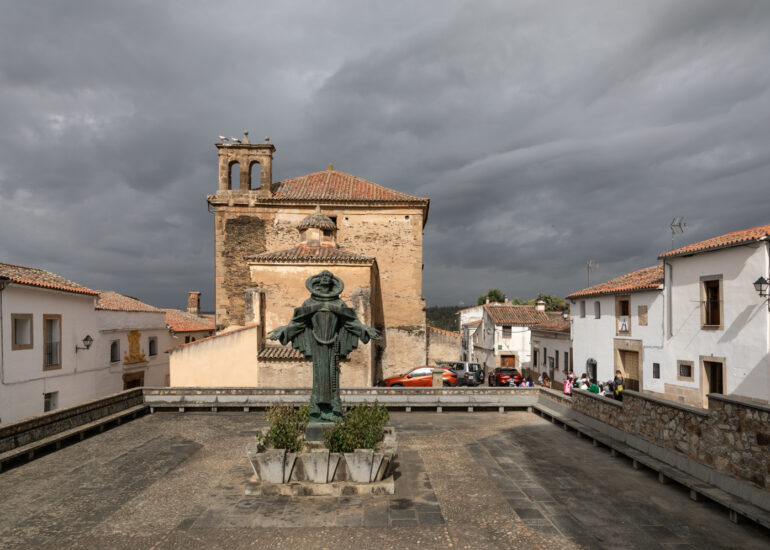
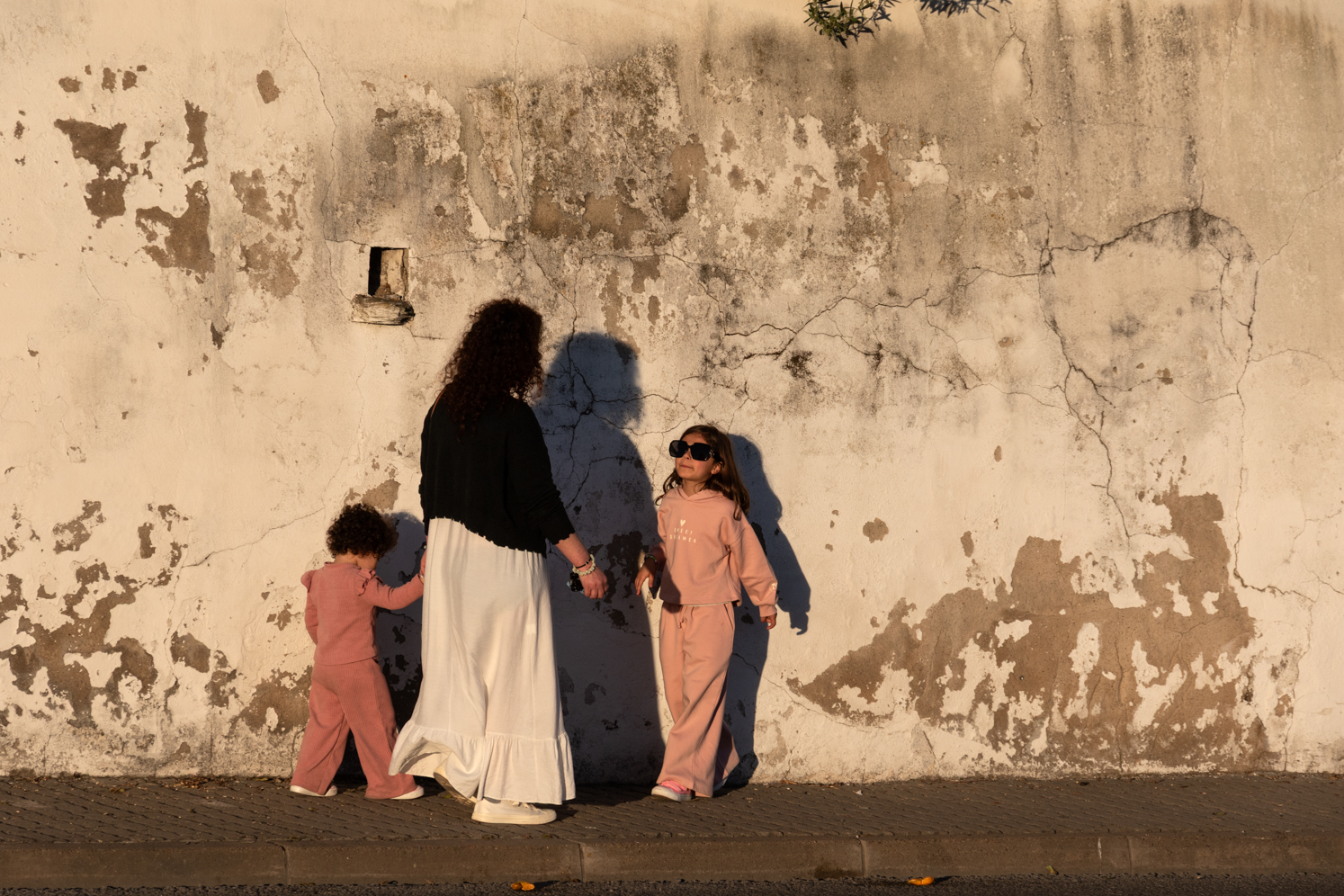
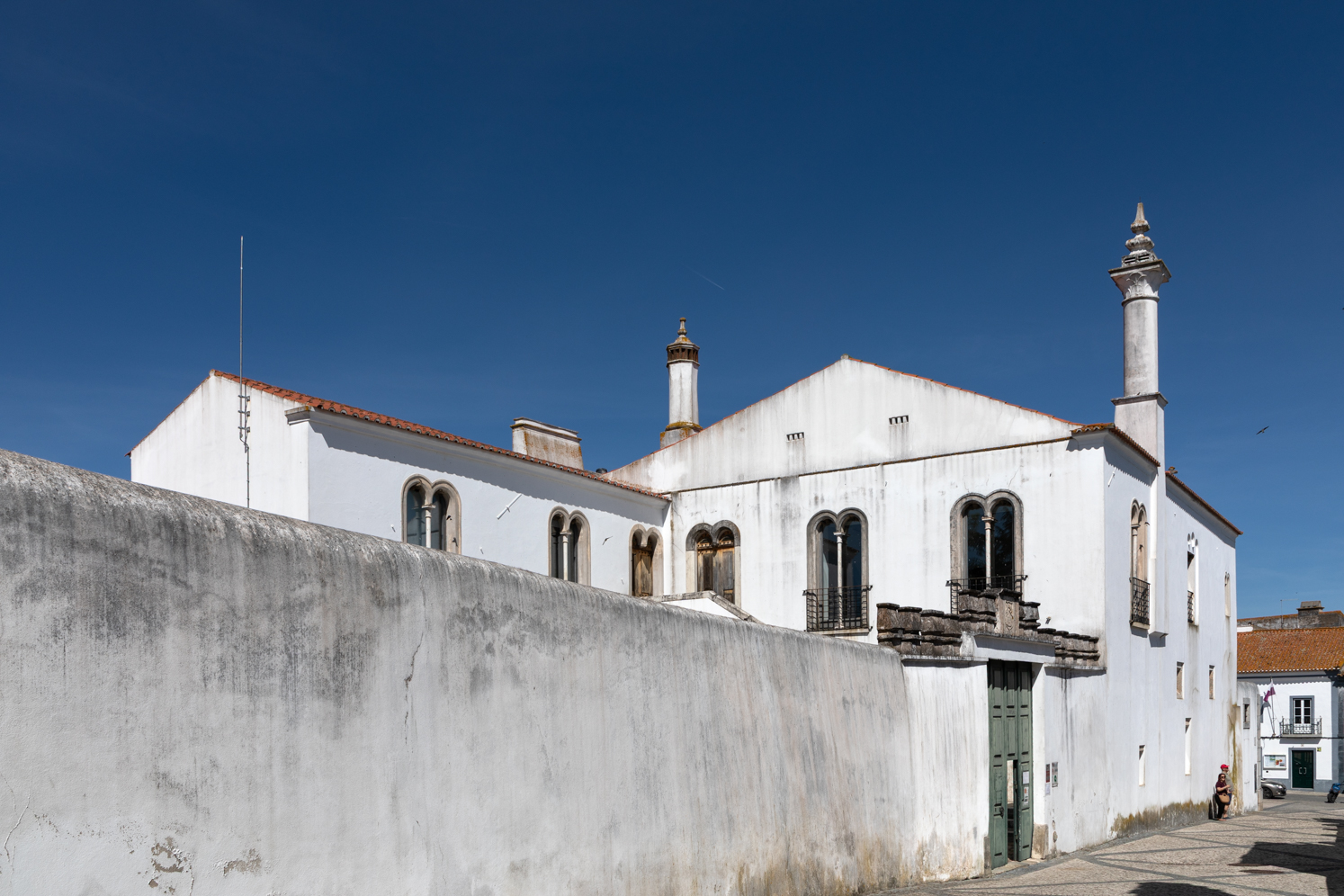
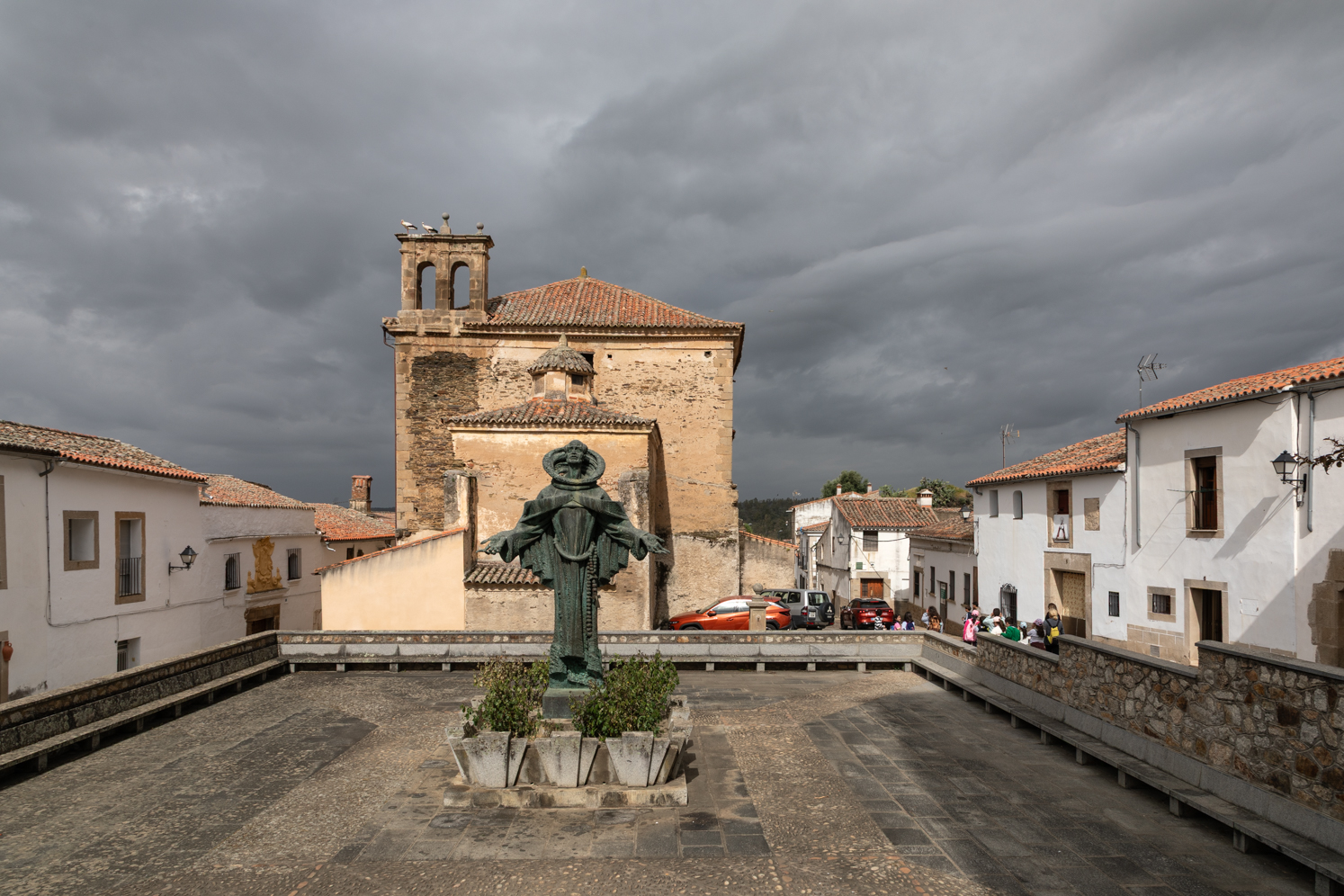
When you click on the green headings in the highlights section here below, you will be directed to the pertinent regional galleries on our photo site SmugMug. Below, as a teaser, is a limited selection of photos from our journey.
Route
- Zeeland (NL) – Broglie (FR)
- Broglie – Blaye
- Blaye – Pauillac
- Pauillac – Le Verdon-sur-Mer
- Le Verdon-sur-Mer – Andernos-les-Bains
- Andernos-les-Bains – Cambo-les-Bains
- Cambo-les-Bains – Ainhoa – Saint Jean-Pied-de-Port
- Saint Jean-Pied-de-Port – Pamplona (ES)
- Pamplona – Laguardia
- Laguardia – Burgos
- Burgos – Zamora
- Zamora – Bragança (PT)
- Bragança – Miranda do Doura – Macedo de Caveleiros
- Macedo de Caveleiros – Cais de Bico
- Cais de Bico – Nazaré – Peniche
- Peniche – Messejana
- Messejana – Sines
- Sines – Lagos
- Lagos – Ponta de Sagres – Figueira
- Figueira – Castro Verde
- Castro Verde – Viana de Alentejo
- Viana de Alentejo – Alcáçovas – Mação
- Mação – Belver – Castelo Branco – Alcántara (ES)
- Alcántara – Garovillas – Valladolid
- Valladolid – El Burgo de Osma
- El Burgo de Osma – Gormaz – Atienza -Sigüenza
- Sigüenza -Urrugne (FR)
- Urrugne – Sainte-Maure-de-Touraine
- Sainte-Maure-de-Touraine – Zeeland (NL)
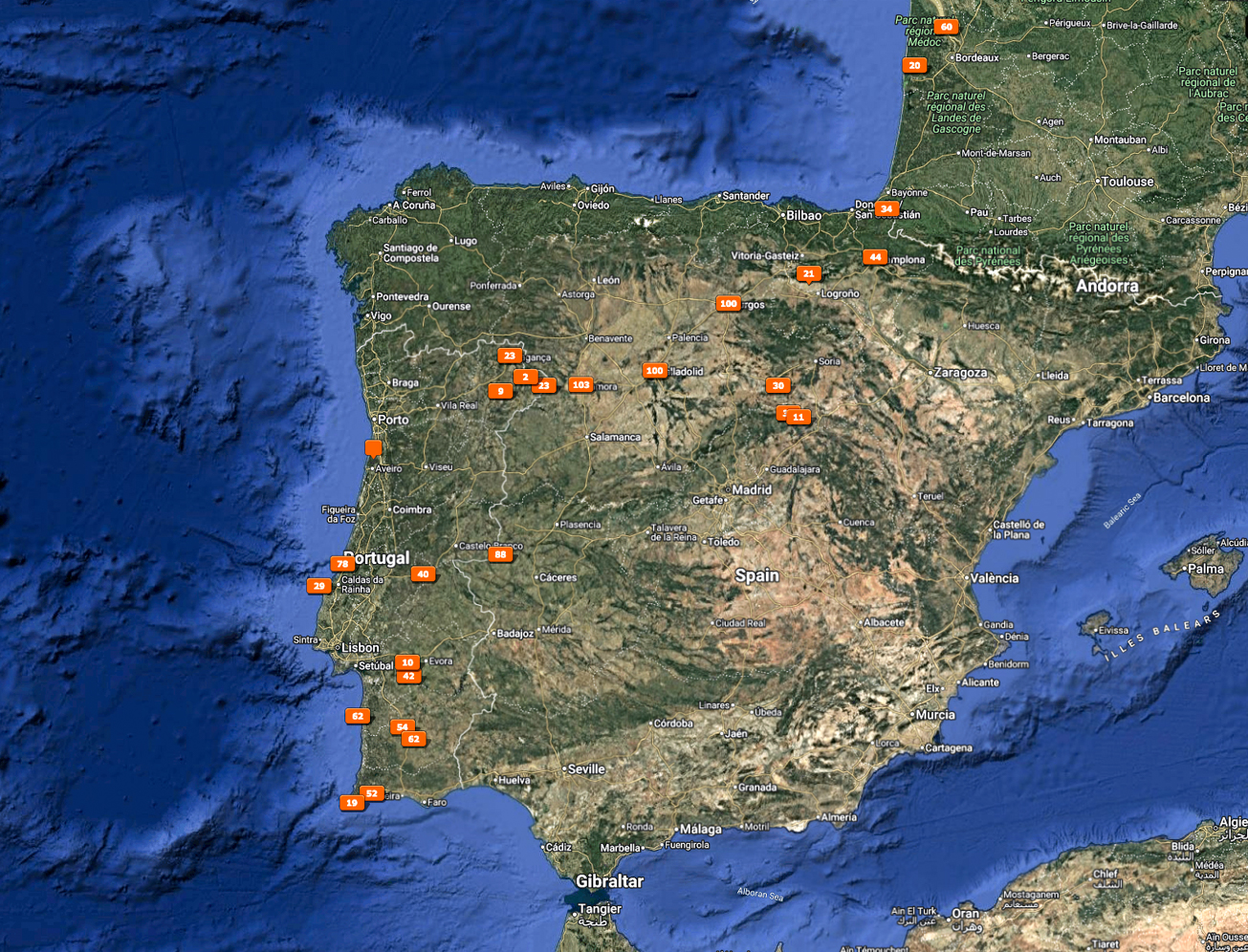
Map of Spain and Portugal with photo locations
Highlights of our trip
France
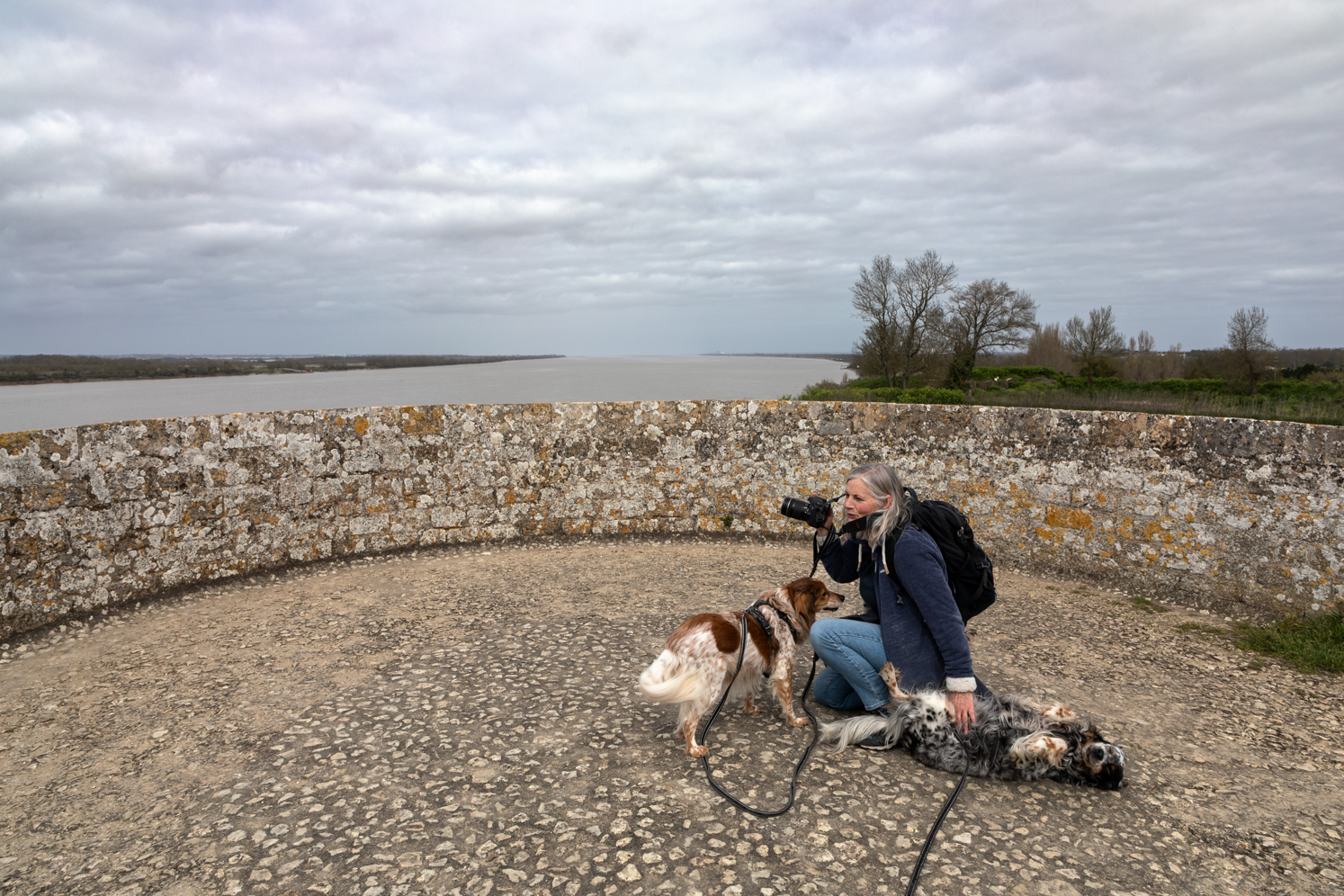
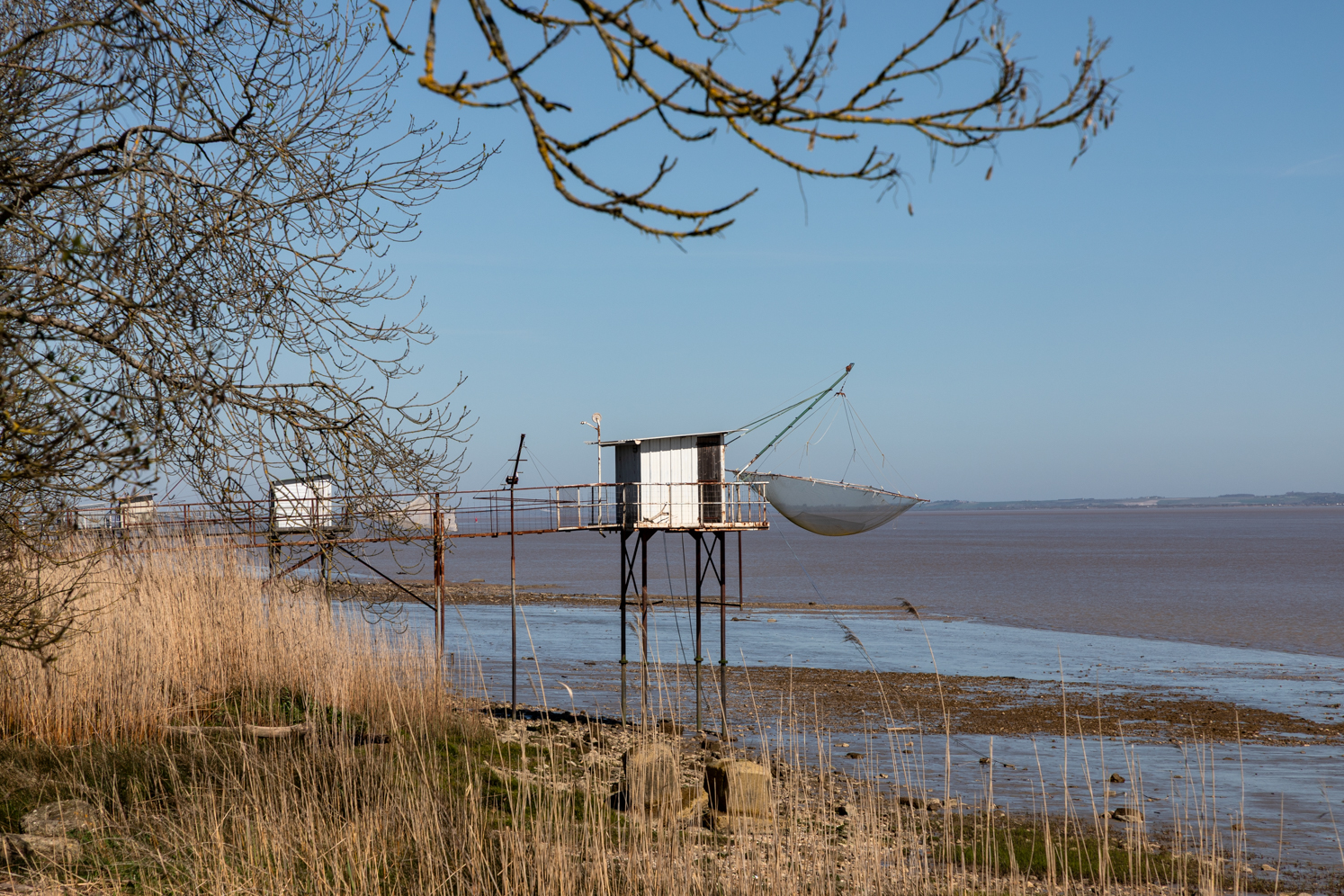
Blaye is located on the banks of the Gironde and is known for its impressive citadel. The massive stone walls and imposing towers of the citadel dominate the landscape and offer an impressive view from the river.
The citadel is included on the UNESCO World Heritage List because of its unique architecture and strategic role in defending Bordeaux against invasions. Built between 1680 and 1689, this 38-hectare military complex houses within its walls the castle of Rudel, a building from the seventh or eighth century that appeals to the imagination.
From the citadel, you have a panoramic view of the glittering Gironde and the picturesque town of Blaye. We took a walk through the fortress, with its weathered ramparts and bastions.
Andernos-les-Bains
Andernos-les-Bains is a charming seaside resort on the Bassin d’Arcachon. We took a walk along the harbor, where you can find countless small shops that all have something to do with oyster farming. You will meet oyster fishermen who bring in their catch, cozy restaurants where you can taste fresh oysters, oyster sellers who offer their products and even a tiny oyster museum that gives a glimpse into the local tradition.
The atmosphere is casual and typical of life on the water, where enjoying the seafood is central.
Ainhoa
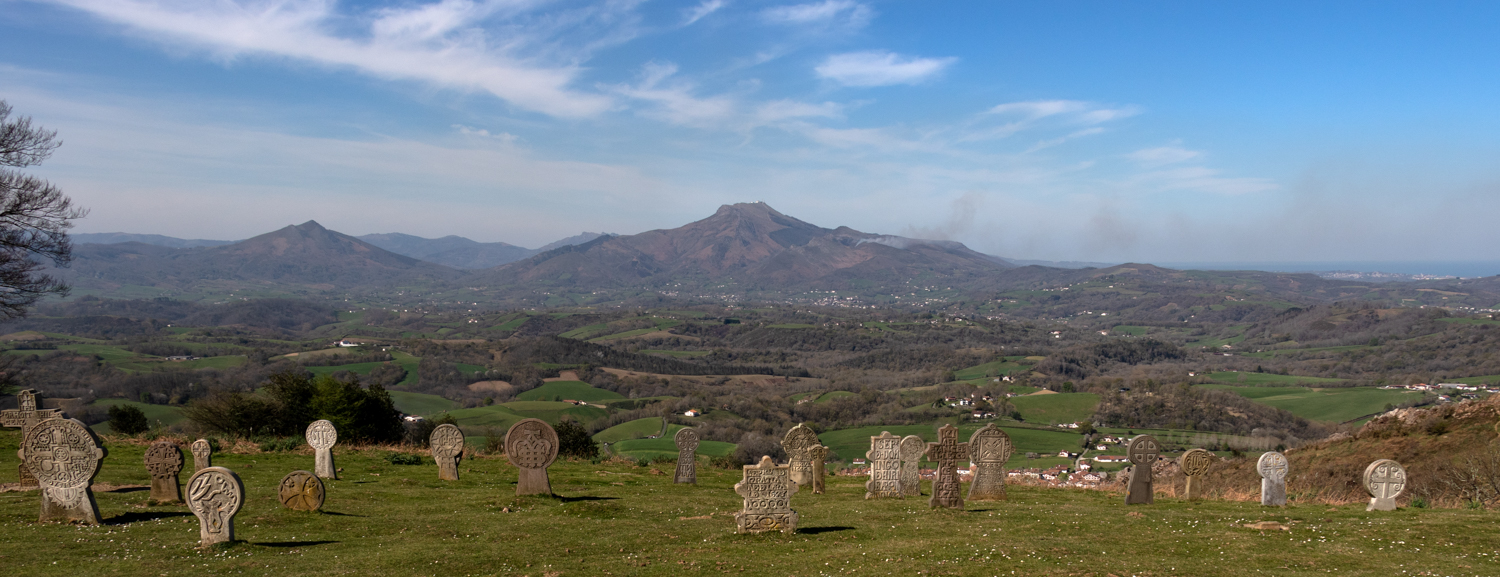
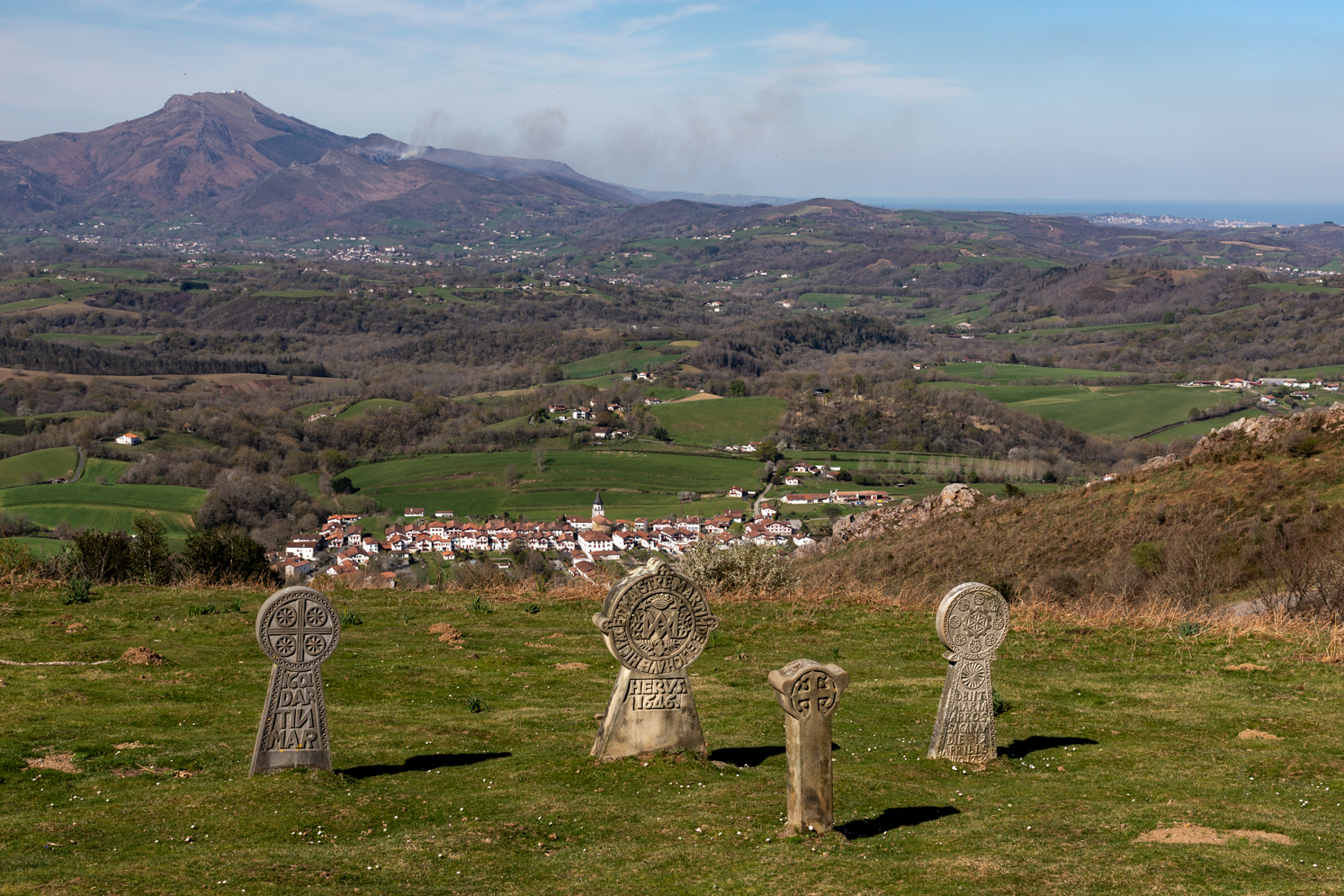
The purpose of our visit to Ainhoa was to visit Notre Dame de l’Aubépine, in particular the associated field with special tombstones. It is quite a climb to get there, because the chapel is located at an altitude of about 400 m. Unfortunately, we couldn’t enter the chapel, but the small burial field with beautiful tombstones and three white crosses made the climb more than worth it. Moreover, the surrounding landscape offered a magnificent view of the village of Ainhoa.
Ainhoa is a bastide village in the French Basque Country. It was founded in the 13th century as a stopping place for pilgrims on their way to Santiago de Compostela. In the wide main street there are still many traditional half-timbered houses. Ainhoa is on the list of “Plus Beaux Villages de France”. The centrally located Eglise Notre Dame de l’Assomption is characteristic, surrounded by tombs with the same tombstones as we saw at the chapel.
Spain
The route from Saint Jean-Pied-de-Port (France), winding through the Pyrenees, to Pamplona is beautiful. Pamplona is best known for the running of the bulls through the narrow streets during the “Sanfermines”.
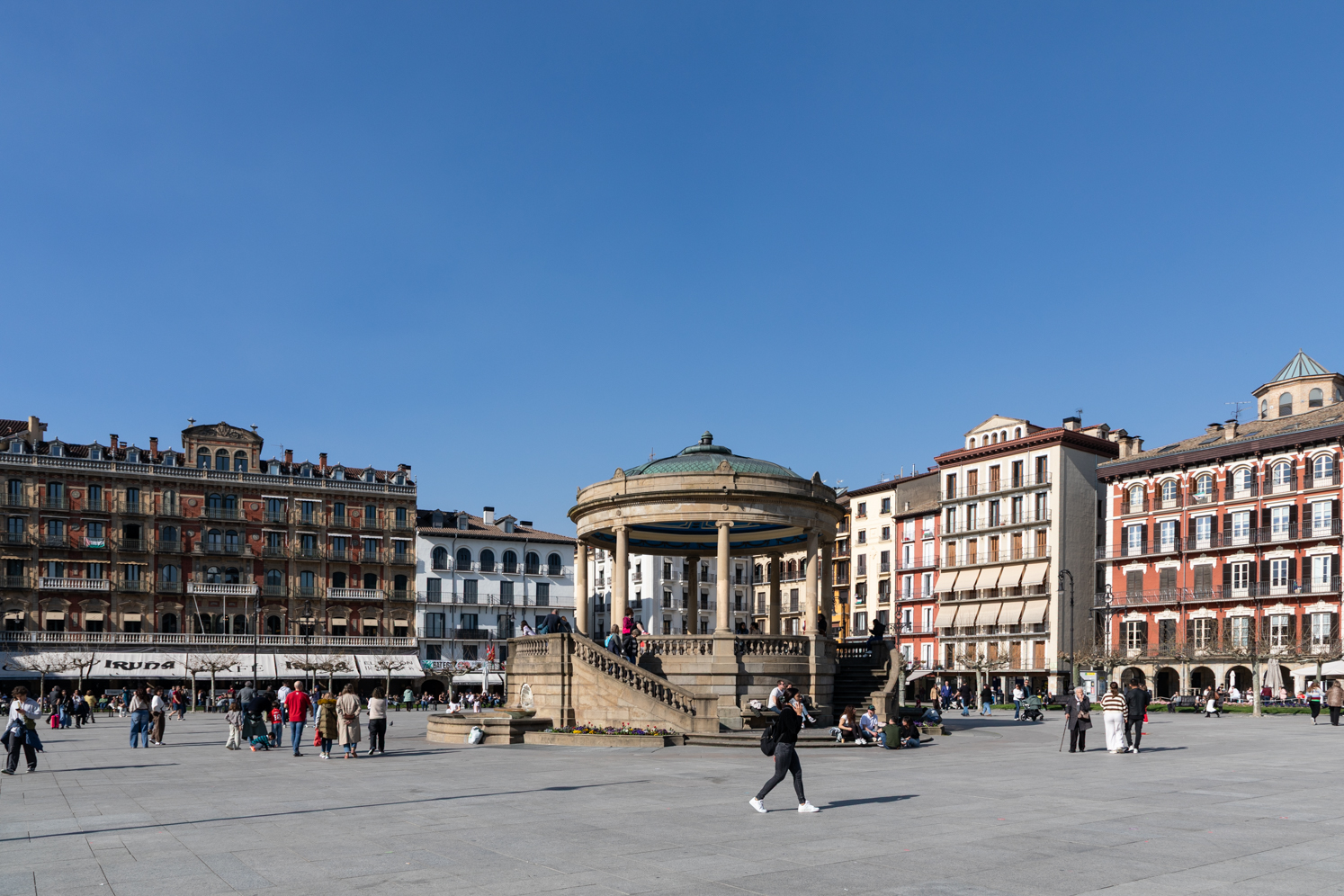
Pamplona is a lively city and a nice place to live for its inhabitants: there is space and lots of greenery. We really liked seeing the people enjoying themselves outside. Many children were mountain biking on the pump track, supported by enthusiastic parents. In the afternoon we took a walk through the city. The Plaza del Castillo is well worth a visit. Unfortunately, the bullfighting arena (the third largest in the world) does not come into its own from the outside. The next morning, we took a walk at the citadel. Built between 1571 and 1645 by order of King Philip II, the Ciudadela (citadel) is a star-shaped Renaissance fortress, designed according to the same defensive principle as the citadel of Antwerp. The Ciudadela is now mainly a park, where people walk, exercise and picnic.
Laguardia is the capital of La Rioja Alavesa. A beautiful medieval town with a city wall, characteristic stone houses and the impressive Iglesia Santa María de los Reyes. The richly decorated Gothic portal of the church is particularly special.
The old city centre is compact within the walls, with narrow streets and gates that lead you to different viewpoints. From the edge of the village, you look out over a patchwork of vineyards with the Sierra de Cantabria behind it. Underneath almost every house are ‘calados’: cool, centuries-old wine cellars that run under the cobblestone streets—a typical Laguardia feeling, because wine is literally under your feet here.
We were there on a Sunday afternoon and it seemed as if most visitors were a bit tipsy after a nice Sunday lunch with family and friends.
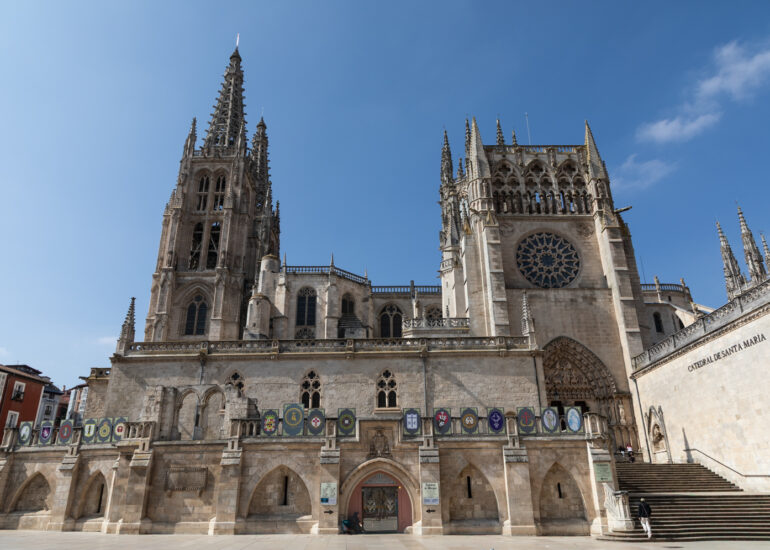
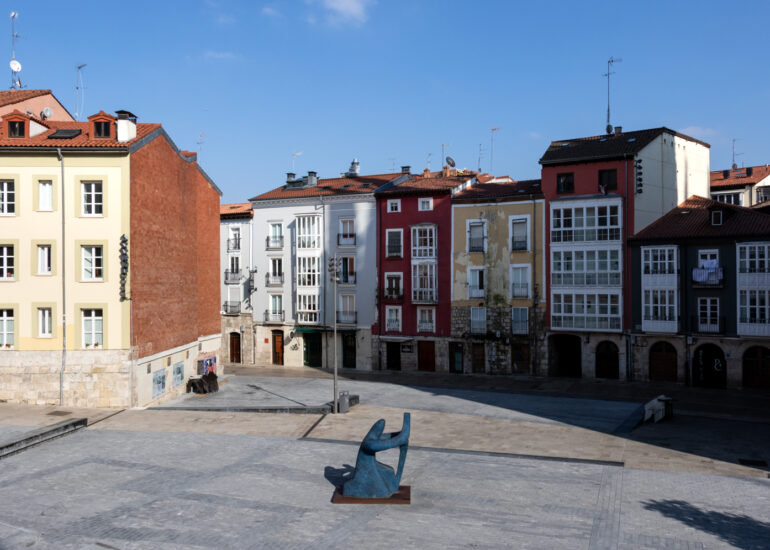
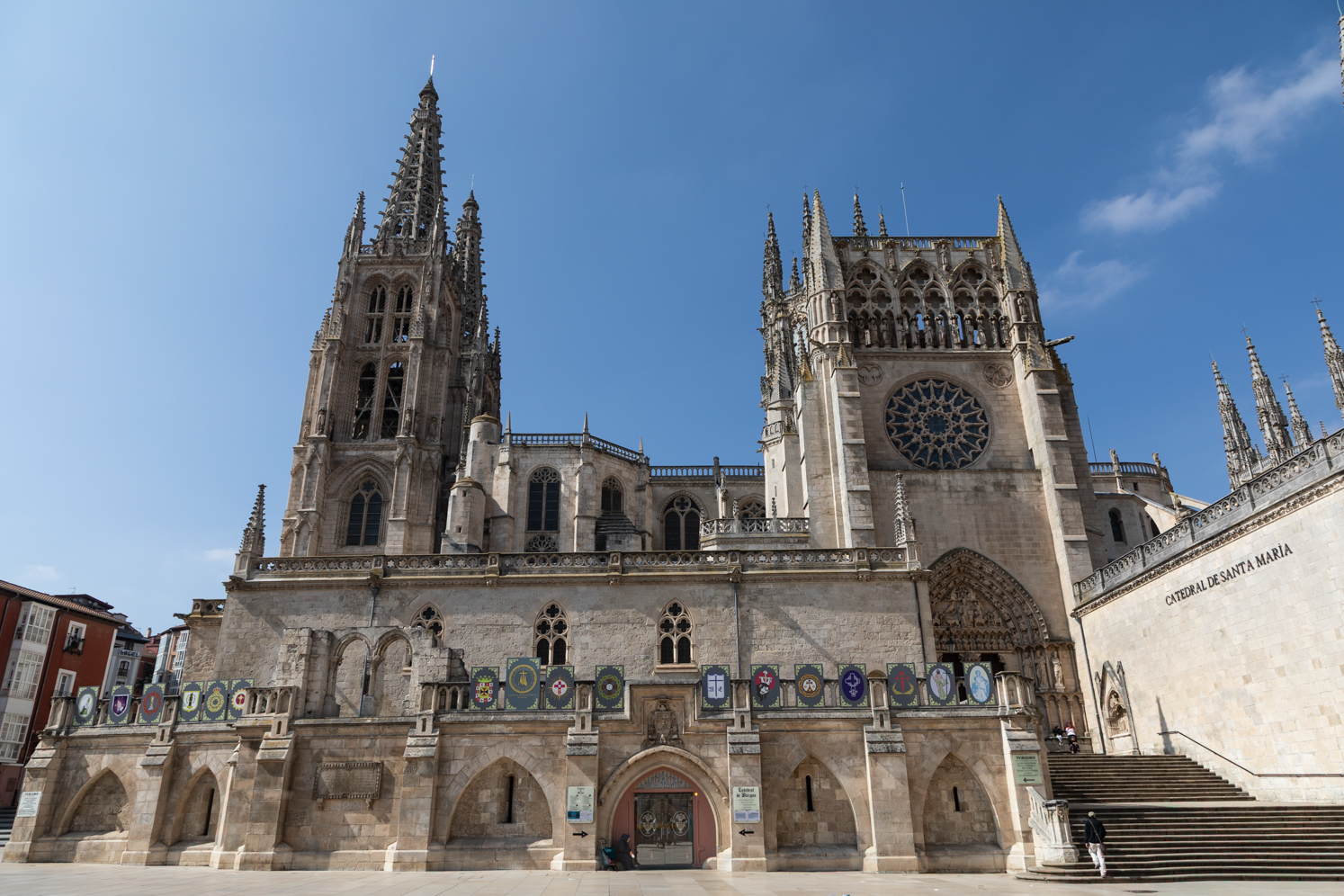
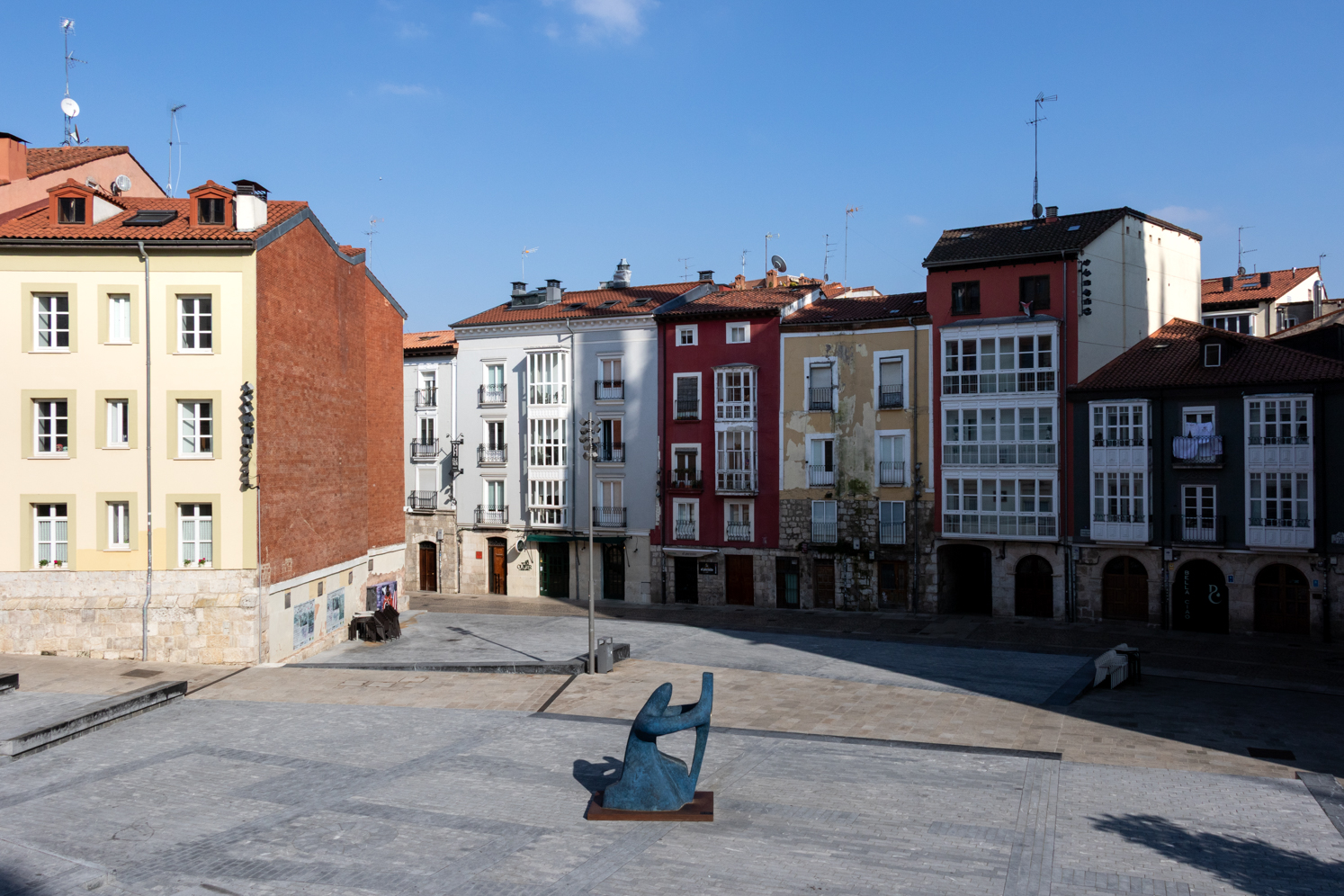
Burgos is a historic city in the north of Spain and is located in the region of Castile and León. The city is best known for its impressive Gothic cathedral, rich history and location on the famous pilgrimage route to Santiago de Compostela. The combination of medieval architecture, cozy squares and Spanish culture makes Burgos a popular destination for travellers and pilgrims.
The most famous monument in the city is the Cathedral of Burgos. This imposing cathedral was built from the thirteenth century and is on the UNESCO World Heritage List. Inside you can admire beautiful stained-glass windows, richly decorated chapels and the tomb of the Spanish folk hero El Cid. Around the cathedral are narrow streets lined with traditional restaurants and tapas bars.
After the visit to the cathedral, we admired the Arco de Santa María and strolled through the city. Burgos struck us as a prosperous city, with wide streets, chic shops and beautifully tiled pavements.
Zamora
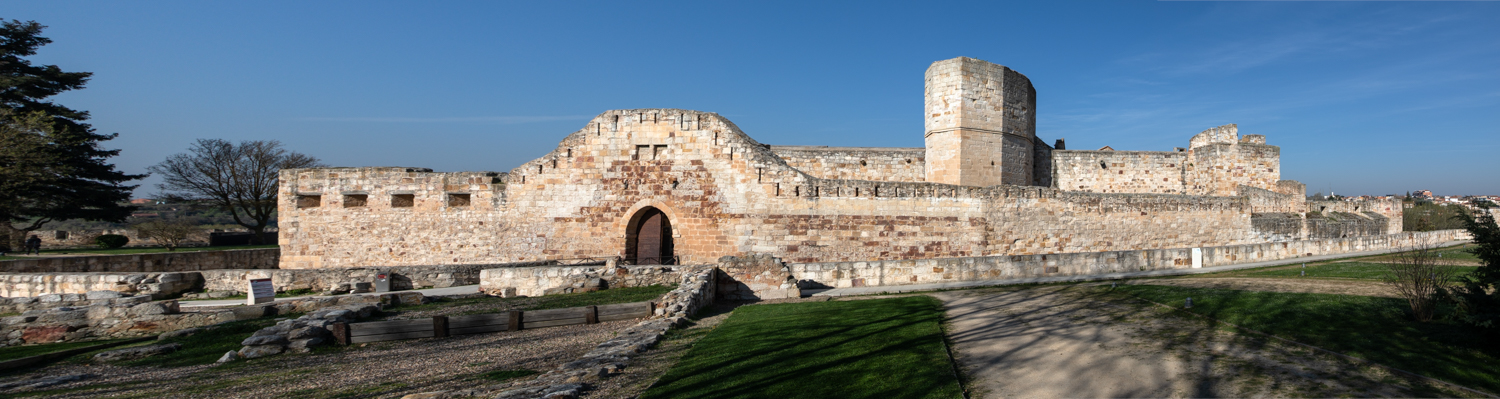
Zamora is located in the autonomous region of Castile and León and is the capital of the province of Zamora. The historic centre is located on a rocky plateau (about 652 meters high) and is partly surrounded by old city walls—it is for good reason that Zamora is nicknamed la bien cercada, ‘the well-walled one’. Built in the 12th century, the cathedral is famous for its striking dome (cimborrio) with ‘scales’ of stone, one of the city’s landmarks.
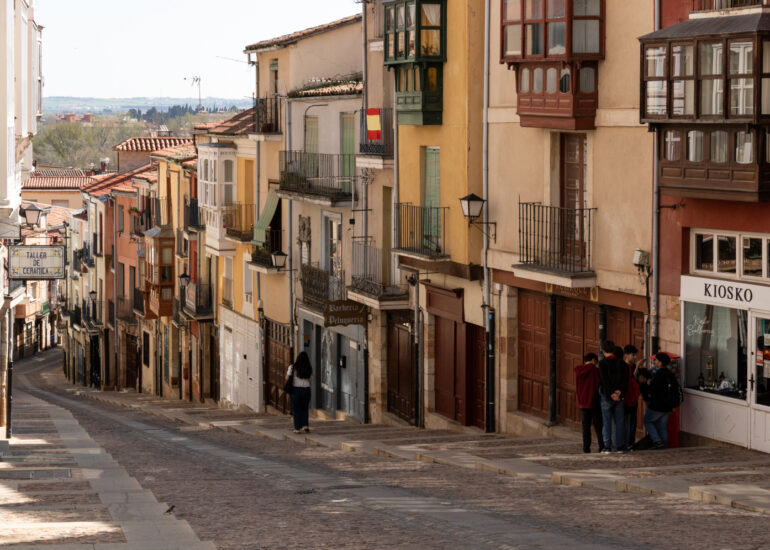
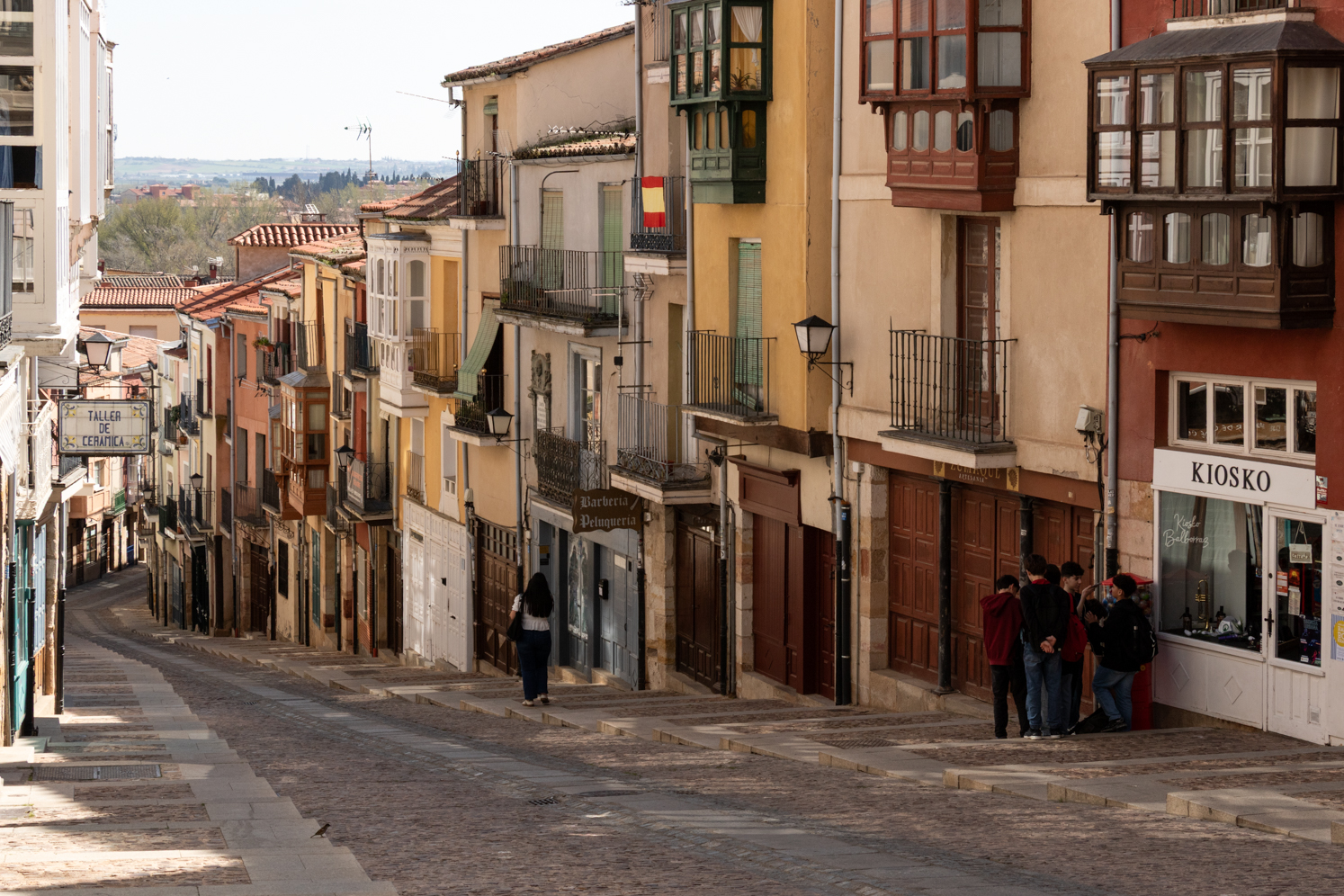
We arrived in Zamora early in the afternoon and later in the day we took a first walk through the city, through the Calle de Santa Clara and the steep Calle Balborraz. Zamora is a charming town on the Duero River and is best known for its Romanesque art: the cathedral and no less than 22 Romanesque churches. Semana Santa also enjoys international fame here.
The next morning, we went out again for a long walk. We visited the cathedral, La Catedral de El Salvador, and then the ruins of the castle of Zamora. We also walked along the Duero, to the old water mills: the Aceñas de Olivares.
We found Zamora to be a lovely city.
Portugal
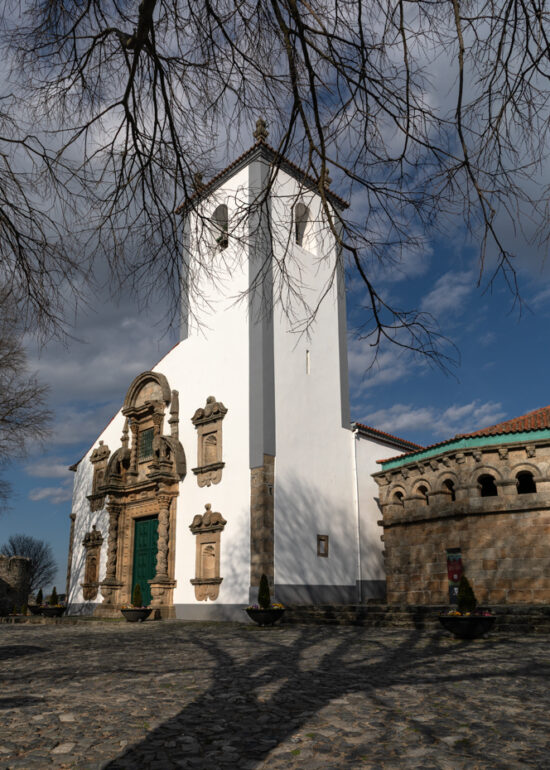
Bragança is located in the rugged northeast of Portugal, close to the border with Spain. We visited the citadel (cidadela). High above the newer city is this walled medieval core that was almost impregnable. Inside the walls, you walk through narrow streets past whitewashed houses and arrive at the robust Torre de Menagem (Donjon). The view from the top is well worth the climb: you look out over Bragança and the hills of Trás-os-Montes.
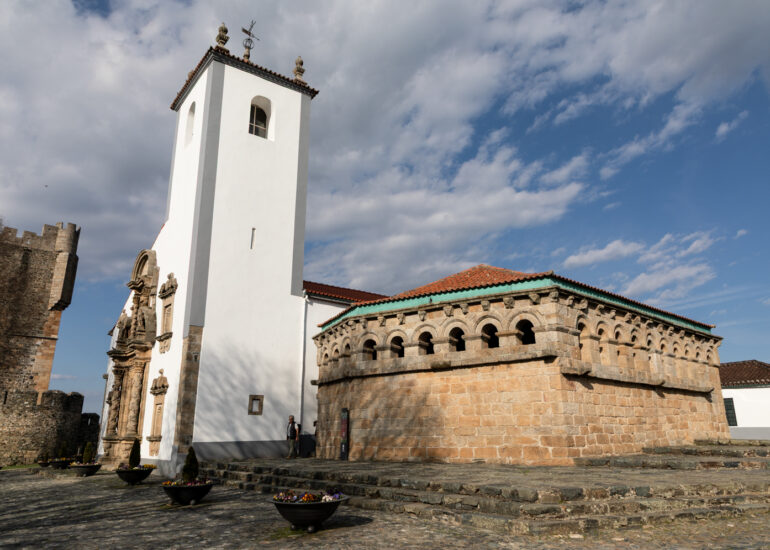
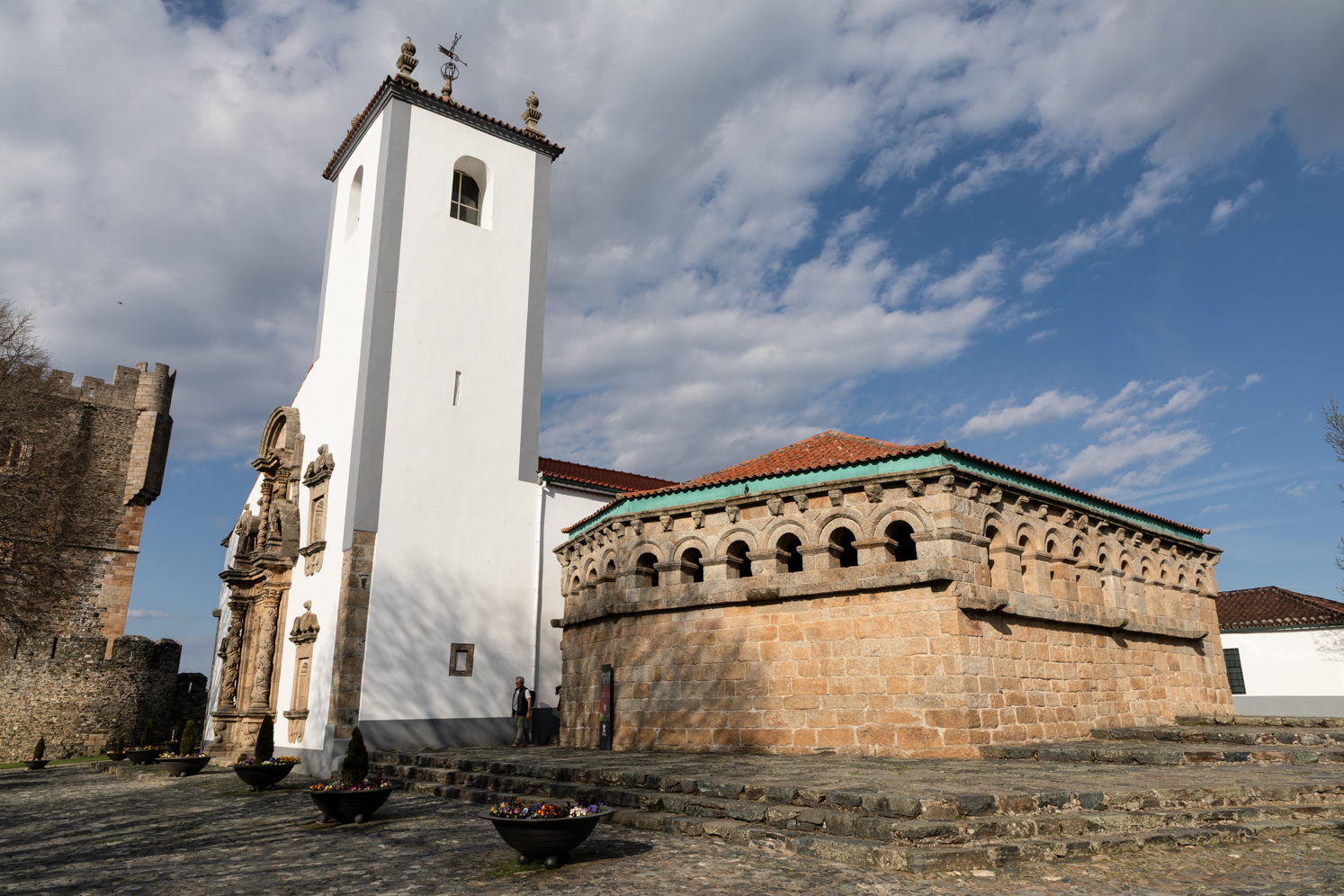
In the middle of the citadel is also the special Domus Municipalis, a rare Romanesque bourgeois building with a striking (almost) pentagonal shape, and nearby is the Igreja de Santa Maria, known for its richly decorated portal and painted ceiling.
We spent the night at a beautiful camper site at the foot of the citadel.
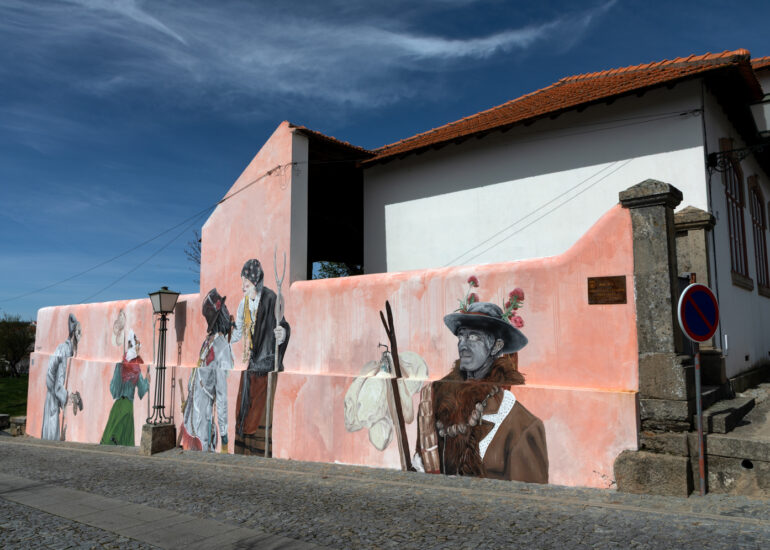
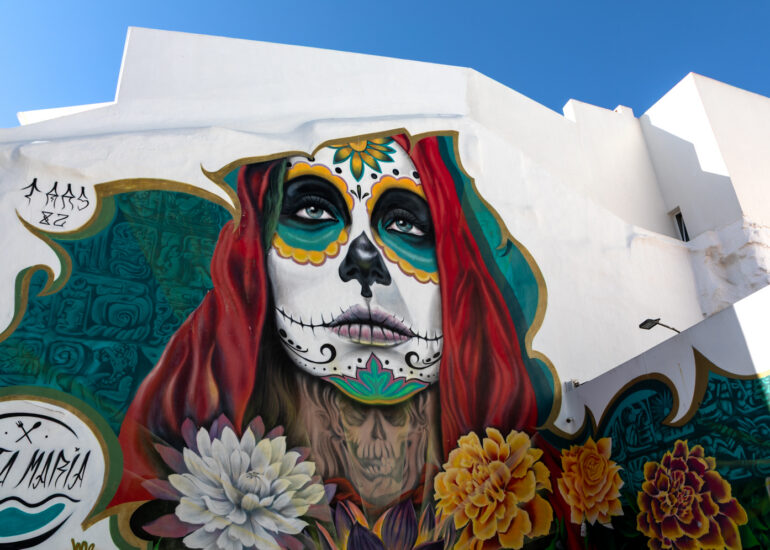
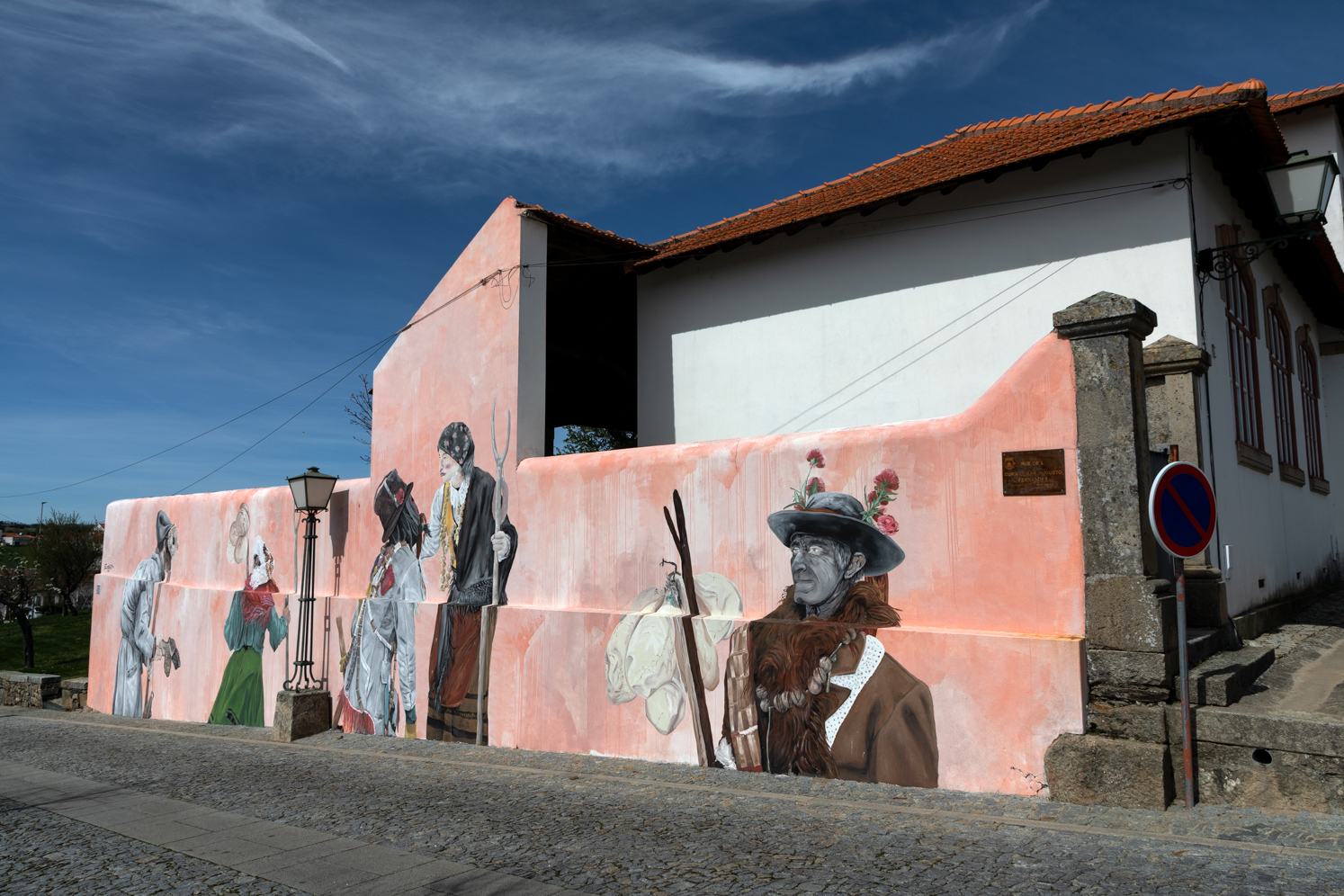
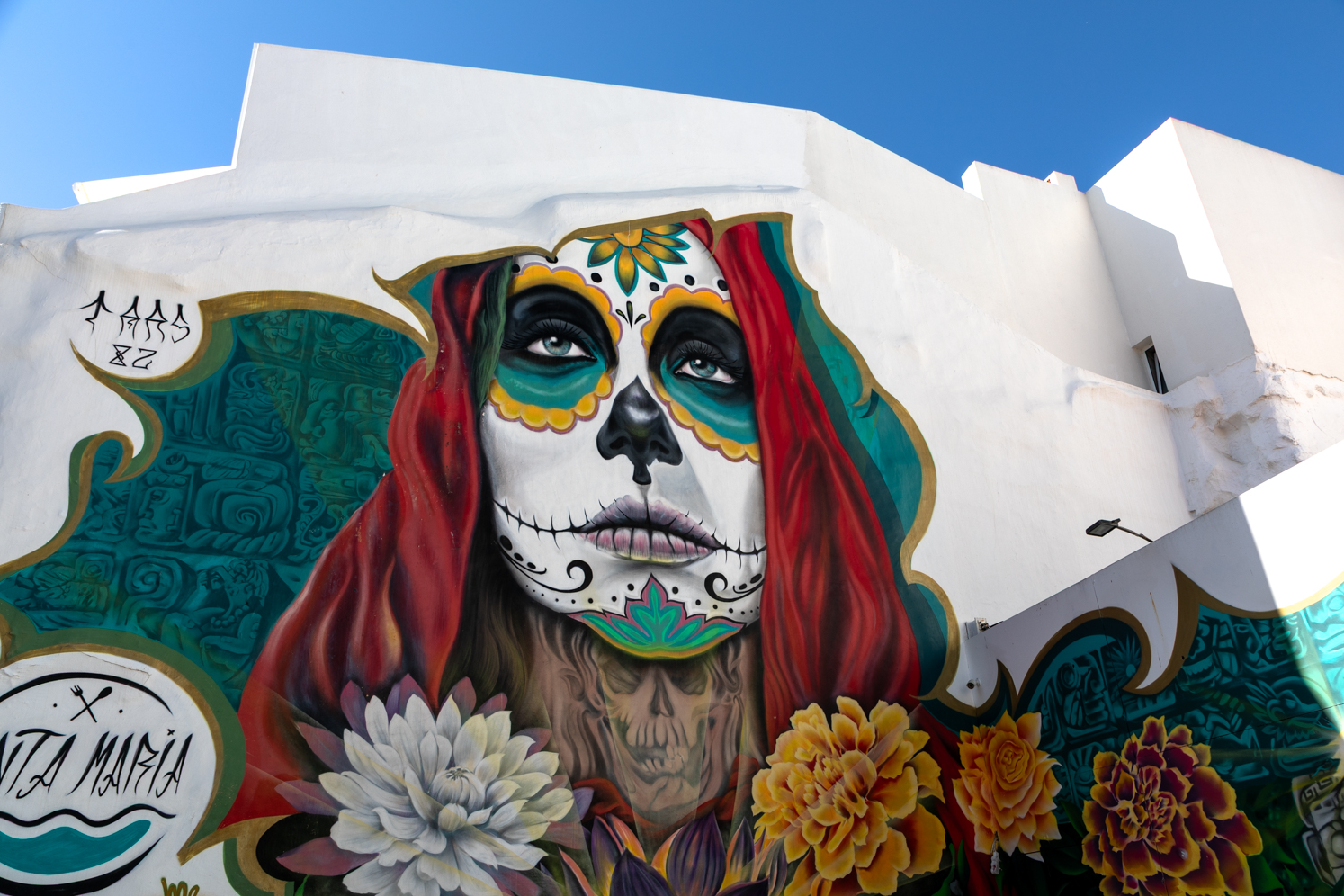
Miranda do Douro is spectacularly situated on a high plateau above the deep gorge of the Douro, right on the Spanish border. We took a short walk through the compact old center with its white streets and remains of fortifications. On the outskirts of the village we discovered a beautiful mural.
In Cais de Bico we had a rest day, after having driven a beautiful route from Caveleiros to Bico. Cais de Bico is a familiar place for us. We have been here several times with the camper. At the harbour of this fishing village is a large picnic area overlooking the beautiful lagoon. The port is still actively used. There are also moliceiros, the naughty and religiously painted sailing ships.
More about Cais de Bico can be read in previous travel reports about Portugal.
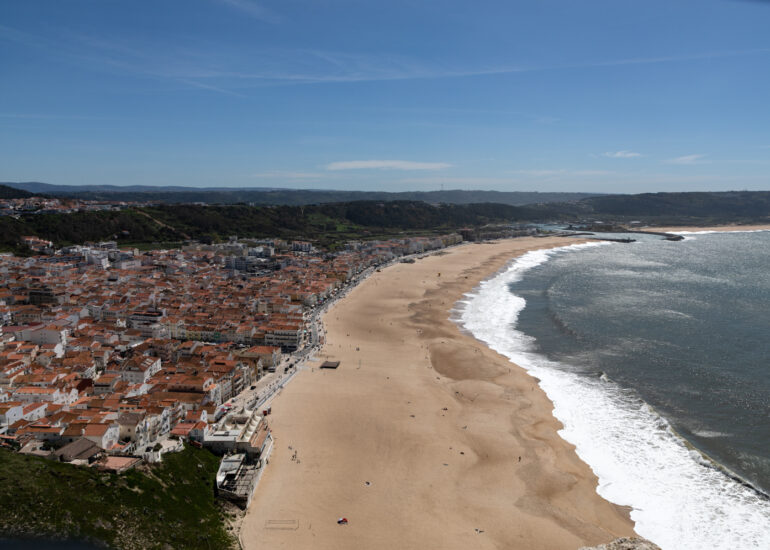
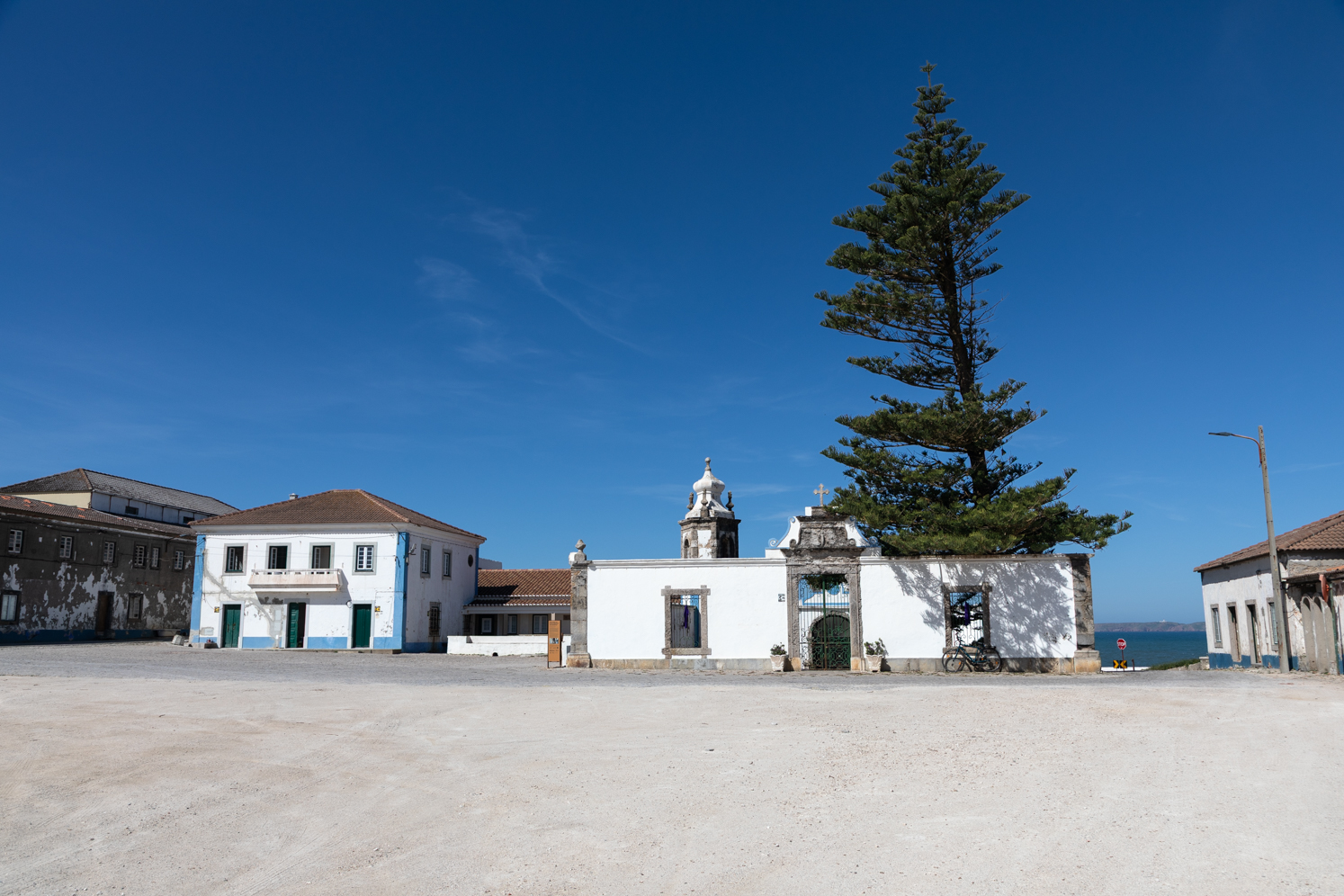
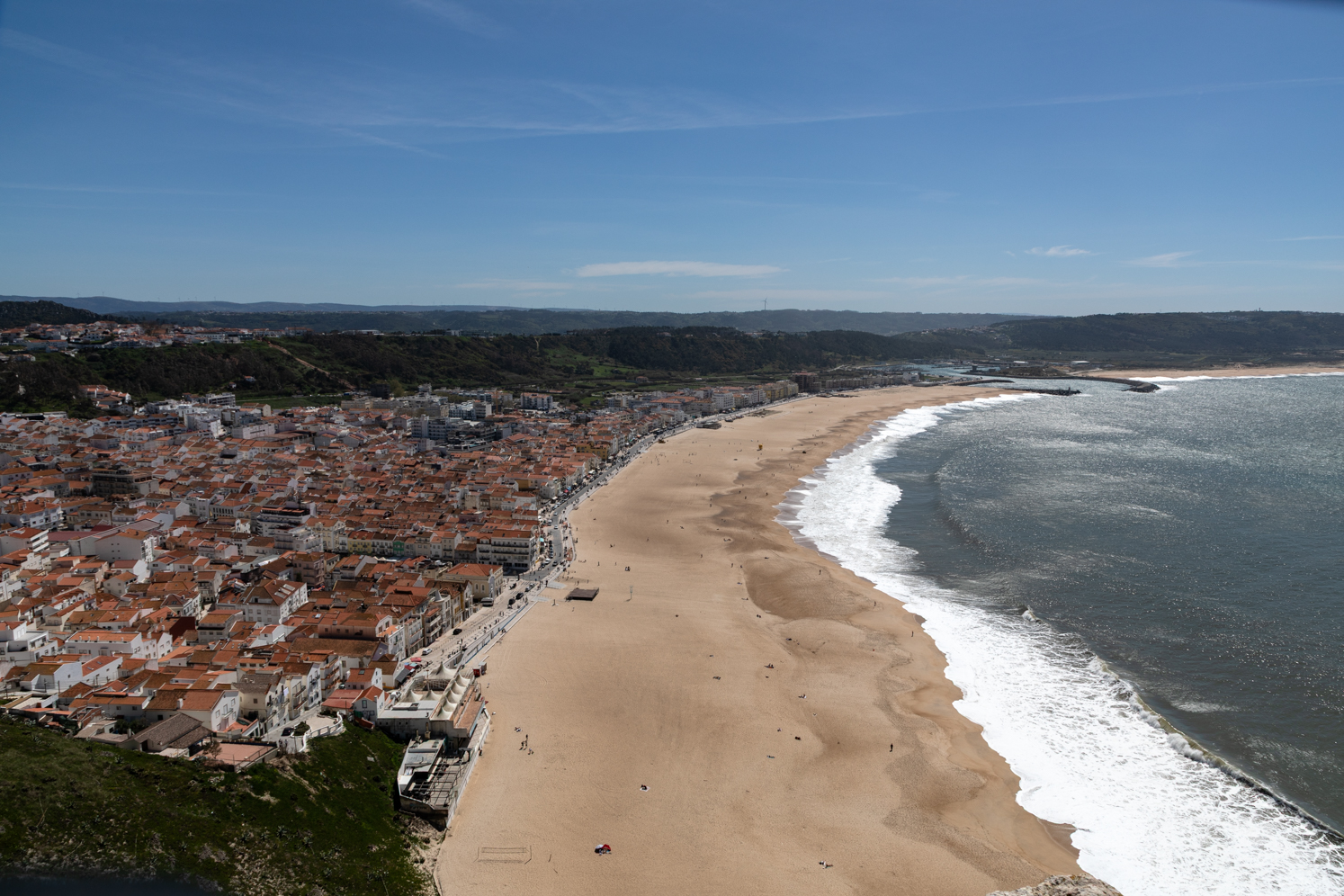
On a previous trip, we explored the A Praia district and the beach; this time we especially wanted to visit the Sítio district (the ‘place’) on top of the cliff. Sítio offers stunning views of the lower town and the ocean. We strolled around at our leisure and ended up at the small chapel Ermida da Memória, which recalls the legend of Dom Fuas Roupinho: according to the story, he was saved here in the nick of time from a fall from the cliff.
On the square is the imposing Igreja de Nossa Senhora da Nazaré, an important pilgrimage site. Nearby is also the bullring; beautiful to see from the outside, but as in most cities not accessible.
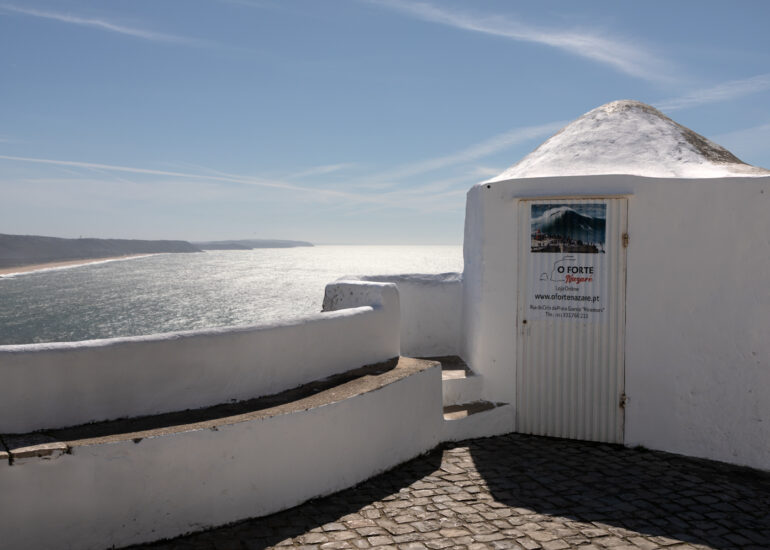
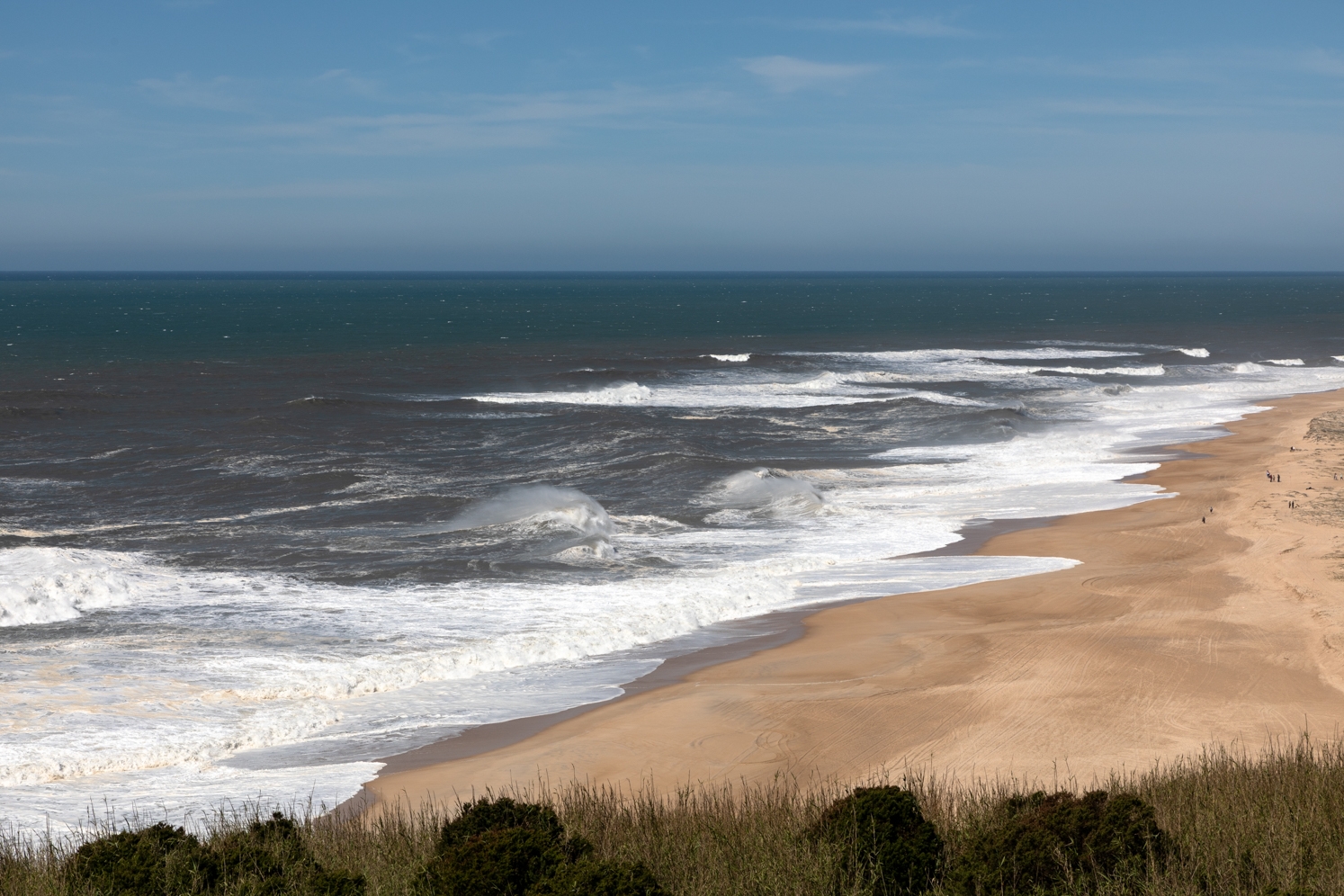
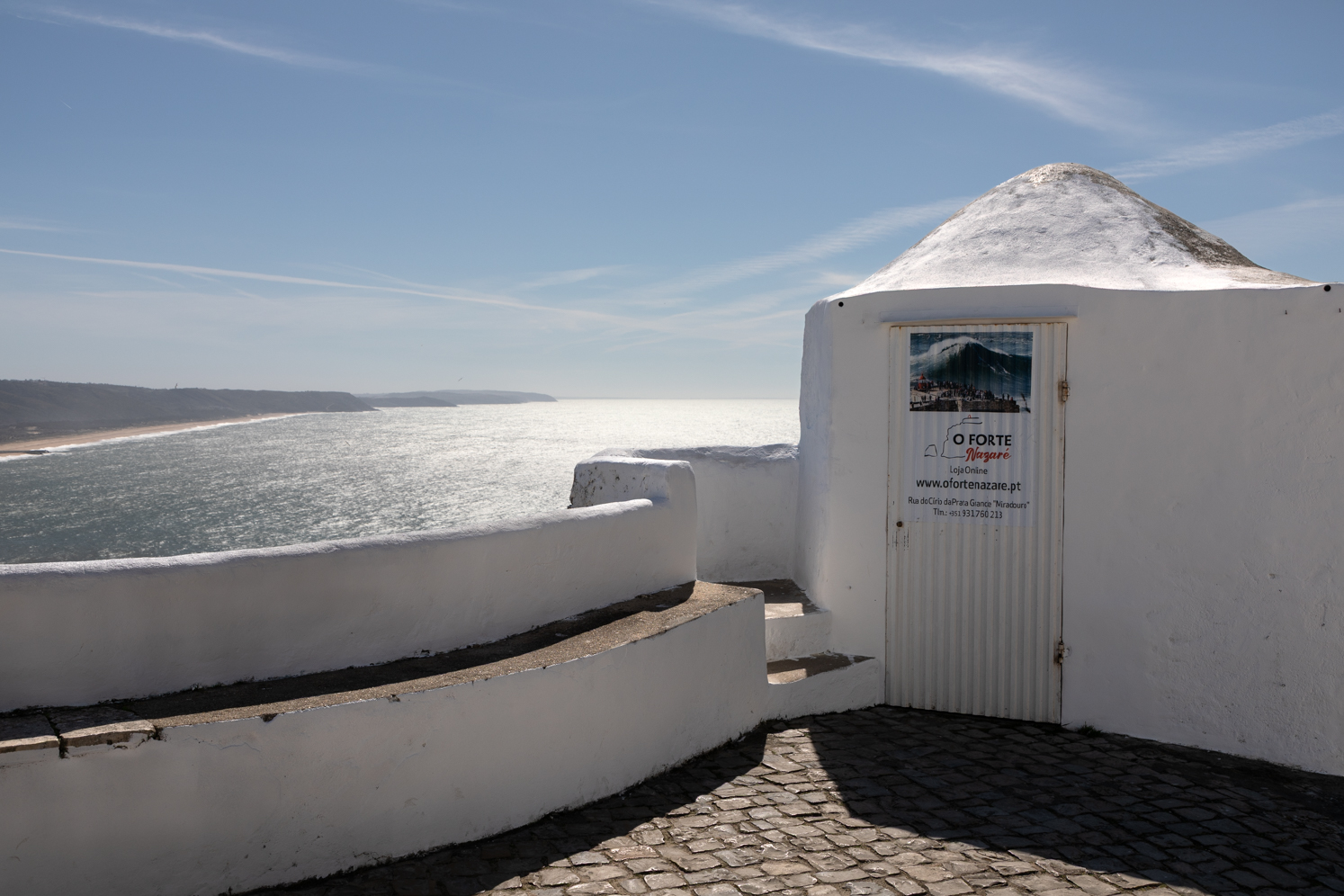
Between the lower town and Sítio, you canskip the steep climb and take the funicular, which has been in use since 1889. At the very end of the cape at Praia do Norte is the Forte de São Miguel Arcanjo with the lighthouse. That is the place for which Nazaré has become world famous: in spring and autumn, Atlantic swells build up here into huge waves, amplified by the undersea ‘Nazaré Canyon’. On swelling days, spectators stand atop the rocks watching surfers venture up walls of water—sometimes over 20 meters high.
We have visited Peniche on our previous trips. Now we spent the night there and in the morning we visited the small district of Remédios and photographed there. They are renovating the neighbourhood—it certainly has potential. There is also a beautiful little chapel: the Santuário de Nossa Senhora.
At the lighthouse we also took pictures of that wild, beautiful Atlantic Ocean.
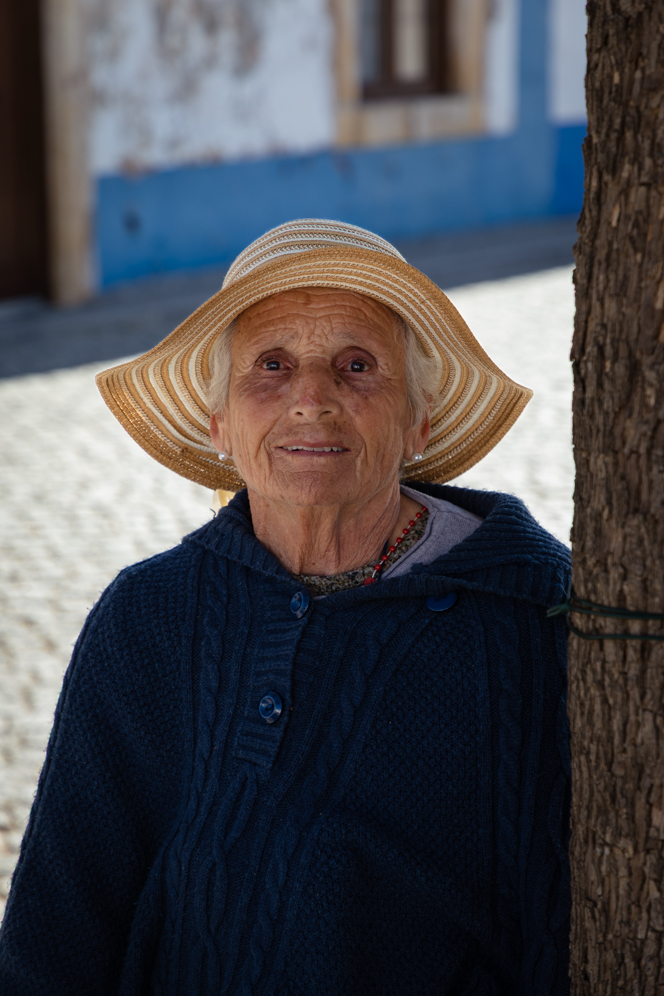
Messejana is a small, characteristic village in the Alentejo. With the camper we almost got caught in the narrow streets—a sign that you really end up in old Portugal here. We stayed there one night.
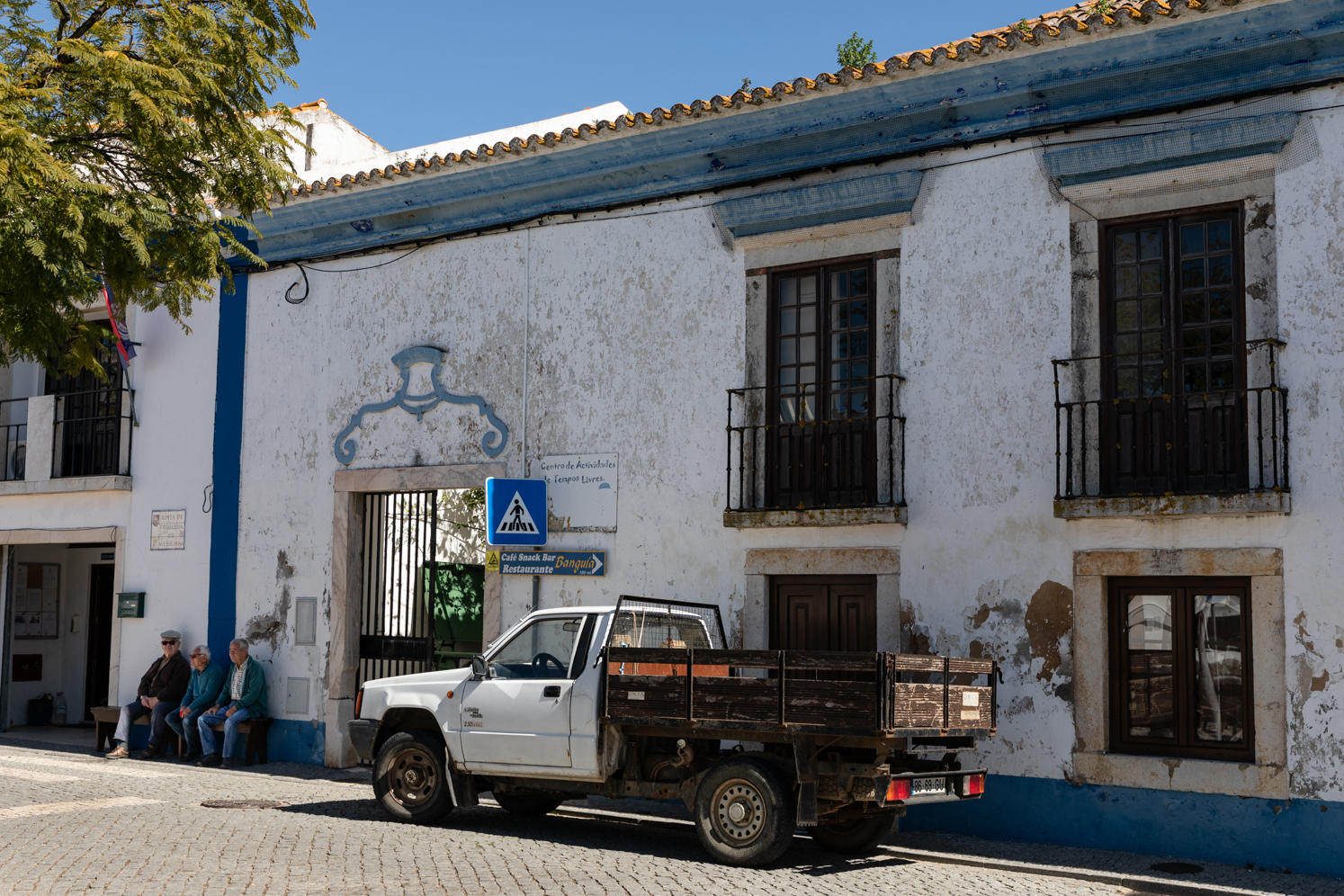
We walked through the village for a few hours and took plenty of pictures. Everywhere those typical Portuguese colours: whitewashed facades with blue edges, small churches and a quiet square where life seems to pass slowly. The English would call Messejana a “gem”—a real find.
Messejana feels authentic and relaxed; exactly the kind of place where you can experience the interior of Portugal up close. For us, this was an unexpected highlight—we will definitely come back here.
Sines
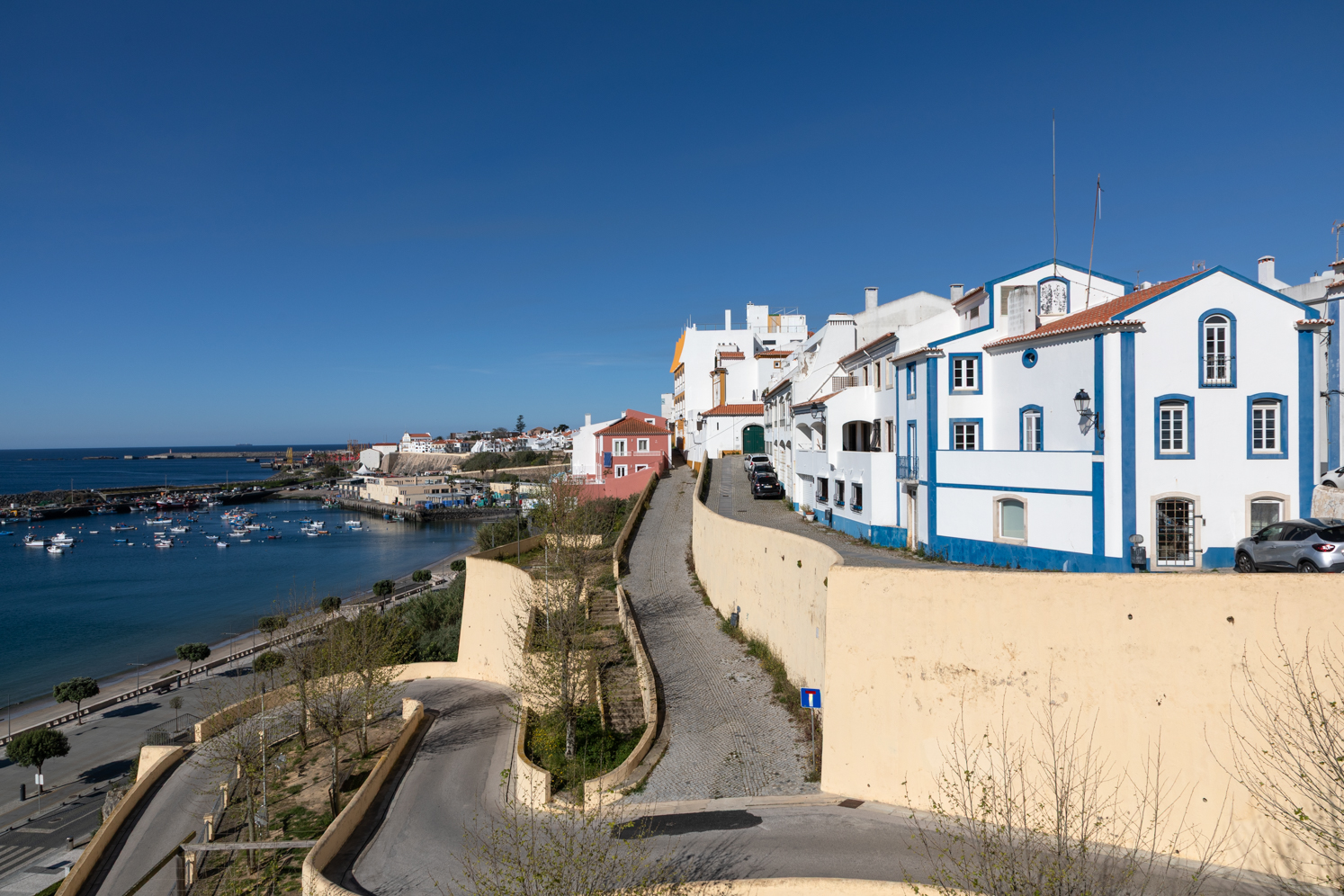
Sines is a coastal city in the Alentejo, known for its rugged Atlantic coast, fishing history and its large, modern port. We found a nice camper site in front of Sines, at Praia de São Torpes. We were there early in the afternoon and took a long walk along the sea.
The next morning, we drove to Sines, which is located around a sheltered bay. From the promenade and the higher streets, you have ever-changing views of the beach, the fishing boats and – in the distance – the industrial port that also gives the city its working character.
We took a walk along the bay and strolled through the old town. Sines is the birthplace of Vasco da Gama; at the Capela de Nossa Senhora das Salas there is a statue of him, looking out over the ocean. We also visited the Castelo de Sines, a sturdy castle with a view of the sea and the city. In summer, the Músicas do Mundo festival takes place in Sines , with artists from all over the world.
On the way back to the camper, the beach was still in full use: groups of young people were playing volleyball and there was a relaxed, summery atmosphere. Little Copacabana.
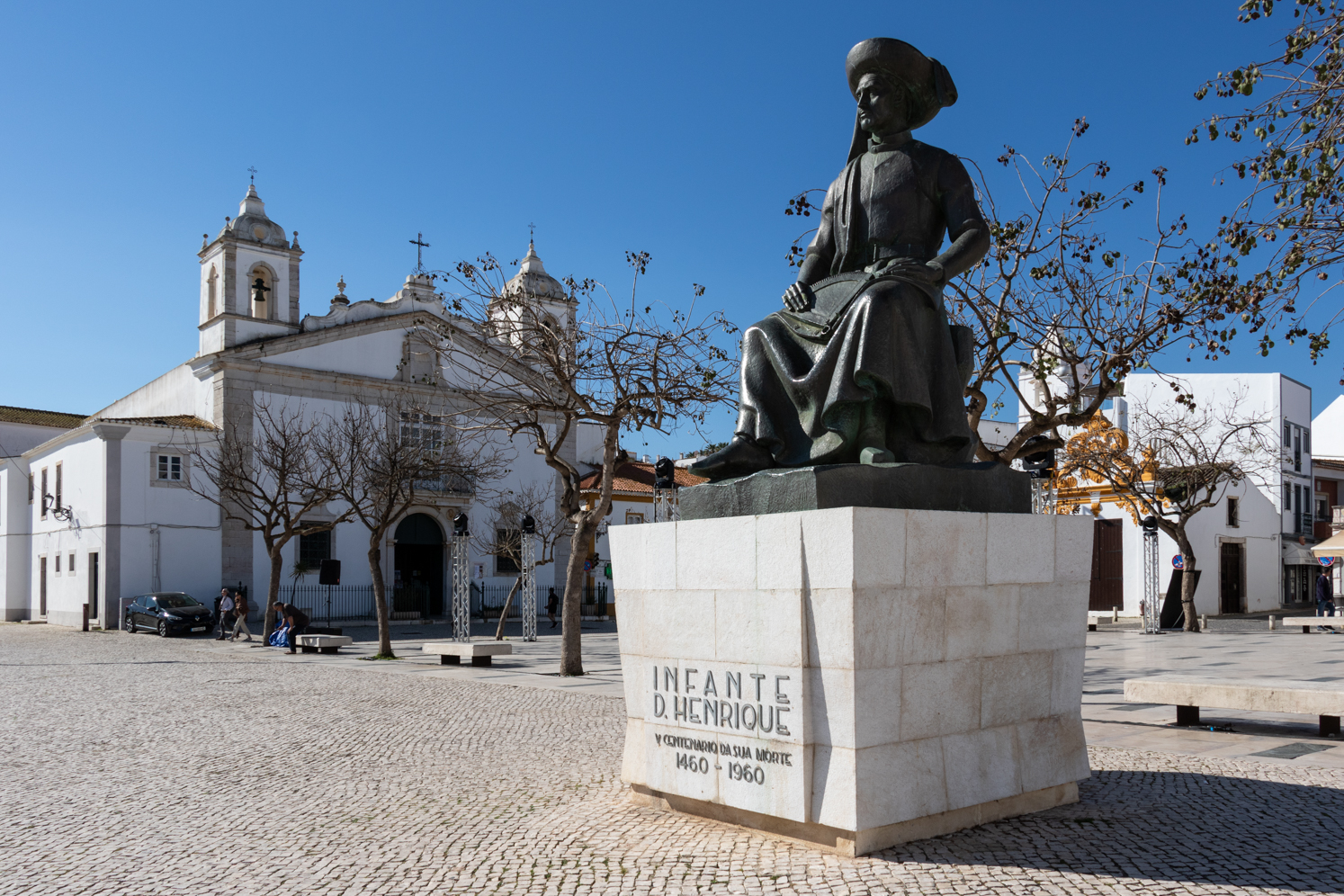
We arrived late in Lagos, after a tiring drive. Fortunately, we found a place to spend the night at the Pingo Doce department store. The next day we drove to the centre and we could park in the old football stadium of Lagos: € 1 for the whole day, including security.
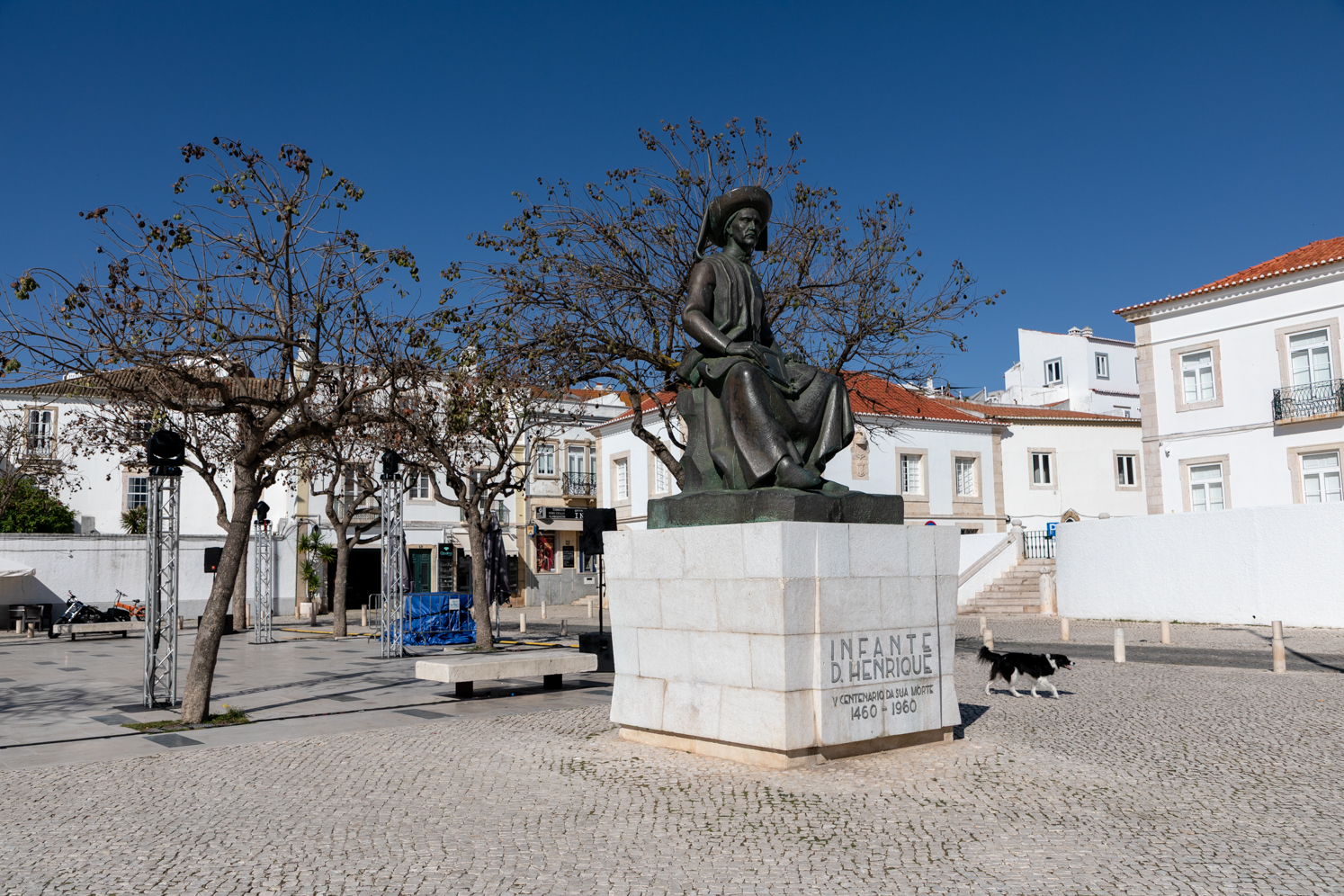
Lagos is located in the western Algarve, at the mouth of the Bensafrim River, and was an important starting point for Portuguese expeditions along the African coast in the 15th and 16th centuries. In 1444, one of the first slave sales of the ‘modern’ European era took place here; the square near the harbour is now home to the small museum Mercado de Escravos (Slave Market), which sheds light on this past.
In the historic centre you can still walk within (remnants of) the old city walls, past squares and churches. At the harbour mouth is the 17th-century Forte da Ponta da Bandeira, built as part of the coastal defences. Just outside the city, the famous cliff coast begins with the jagged rock formations and caves of Ponta da Piedade, where the sea has carved arches and ‘pillars’ out of the golden-coloured rock over thousands of years.
We took a walk along the water and strolled through the city. Although the centre is quite atmospheric and lively, mass tourism has affected the character of Lagos in some places. There is a lot of new construction that is mainly aimed at the tourism industry. Fortunately, the surroundings, the old town and the coast make up for it: the beaches and cliffs are beautiful.
Sagres
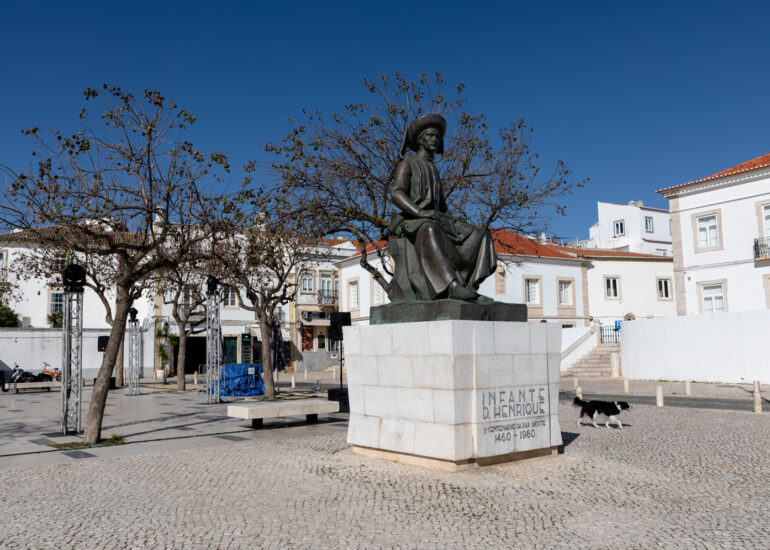
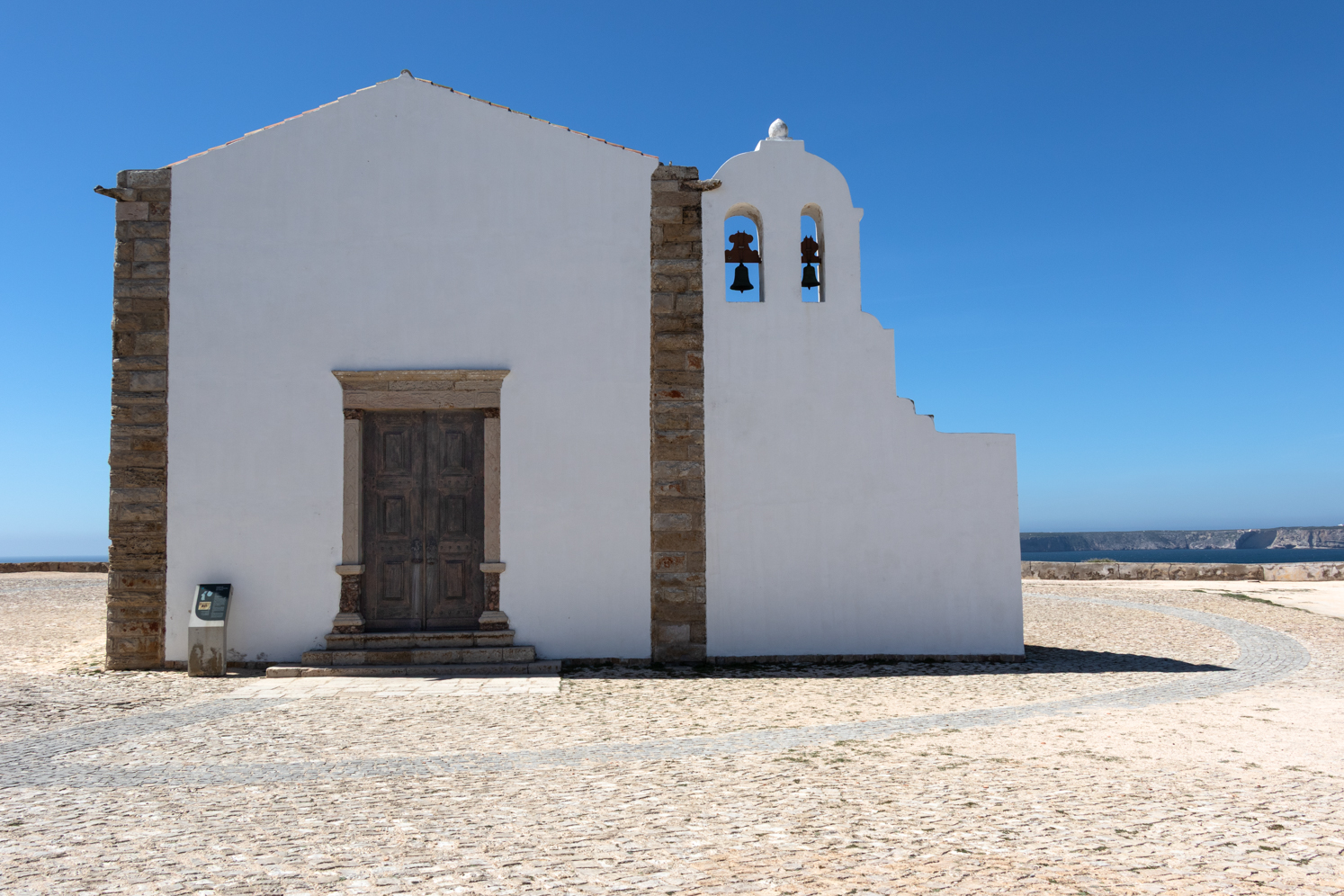
In Sagres we only visited the Ponta de Sagres, the rugged headland that juts out into the Atlantic Ocean like a stone platform. Here you will also find the Fortaleza de Sagres, a 15th-century fortification that is protected on three sides by steep cliffs (about 60 meters high). The place is strongly linked to the Portuguese age of discovery: in the 15th century, Infante D. Henrique (Henry the Navigator) had facilities built here and from this ‘promontorium’ expeditions and seafaring knowledge were stimulated. Within the walls you can see, among other things, the mysterious stone circle Rosa dos Ventos (a large ‘compass rose’ in the pavement) and a simple church. What we found most impressive, however, was the landscape itself: wind, waves and endless views—you really feel like you’re on the edge of Europe here.
From the cliffs you can see Cabo São Vincente. We wrote about this in our 2019 travel report.
Castro Verde
We found a beautiful place to spend the night on a large square, against which the town seems to run like a kind of amphitheatre. After the hectic pace of the Algarve, it was wonderful to be back in the rural tranquillity of the Alentejo. In the evening we took a walk through Castro Verde. It’s not a spectacular town, but it does have a pleasant, lively atmosphere. Moreover, there is a very special church, which we would visit the next morning.
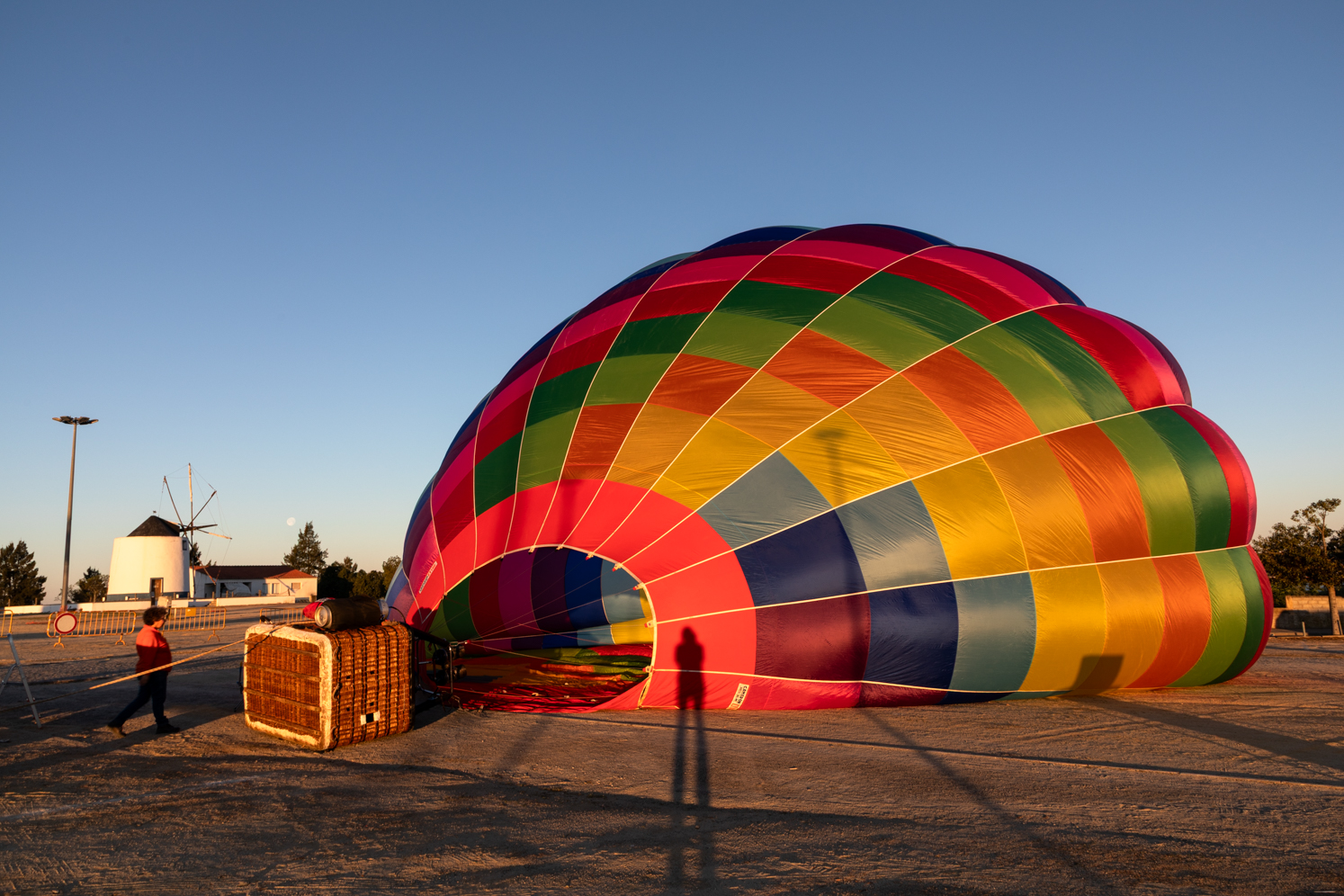
Early in the morning people were, on the square, preparing a hot air balloon for a balloon ride. Impressive to see how such a huge balloon, at first limp and shapeless, slowly came to life through the blown air. An English family stepped into the basket, which frankly seemed rather cramped to us. The tension could be read from their faces. We wished them a safe journey, and a little later they quickly took off above the square and the town.
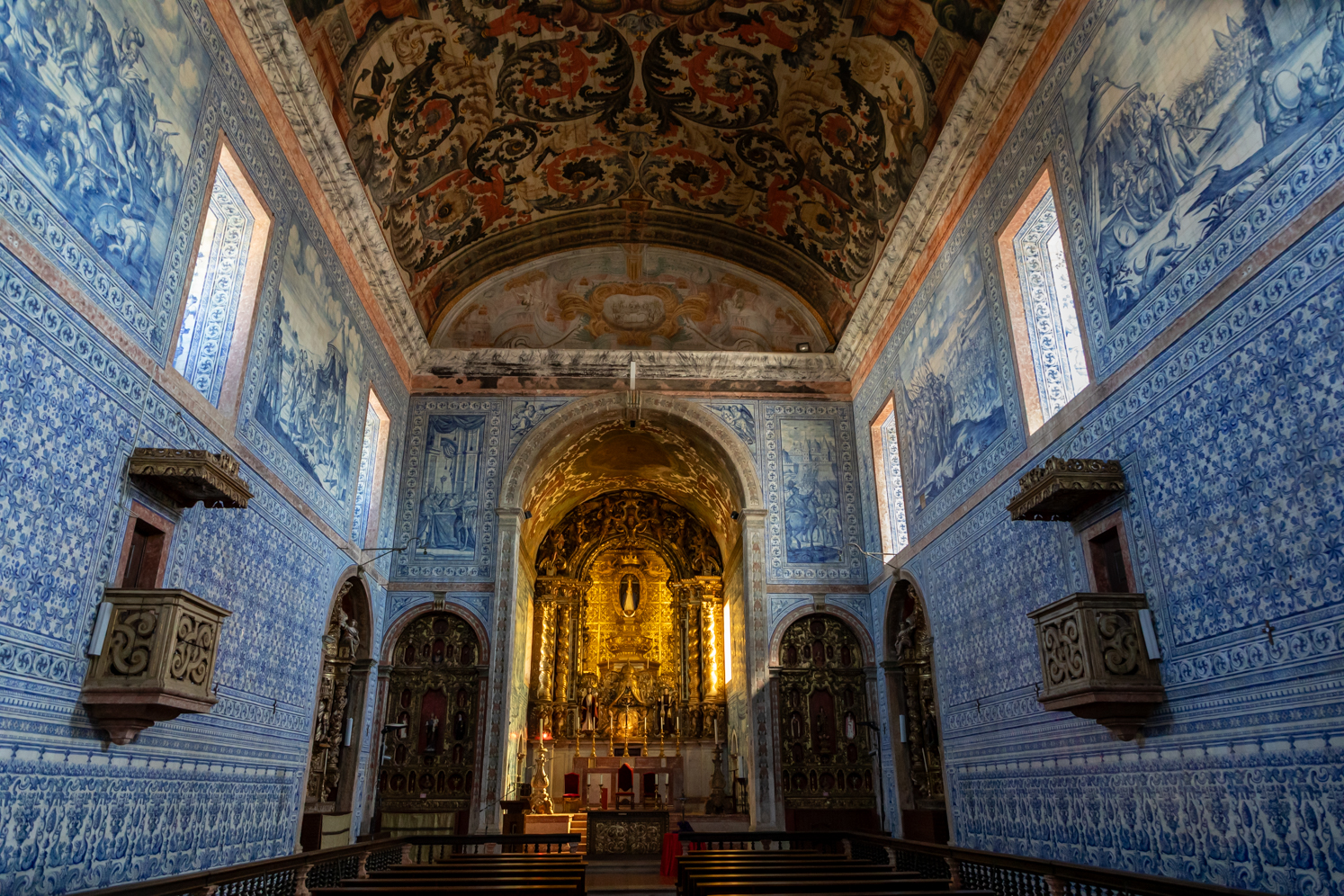
Then we visited the Igreja de Nossa Senhora da Conceição, also called the Basilica Real. This church is special because the interior, with a single nave, is almost completely covered with Portuguese tile panels. This gives the space its own unique look and makes the visit more than worthwhile.
After our visit to Castro Verde — a nice and lively town — we continued our route, this time on a part of the famous N2.
Alcáçovas
We paid a short visit to Alcáçovas and walked around the village. It is a charming, characteristic Portuguese place. Special is the Capela das Conchas, a small chapel that is decorated with shells both inside and out.
Belver
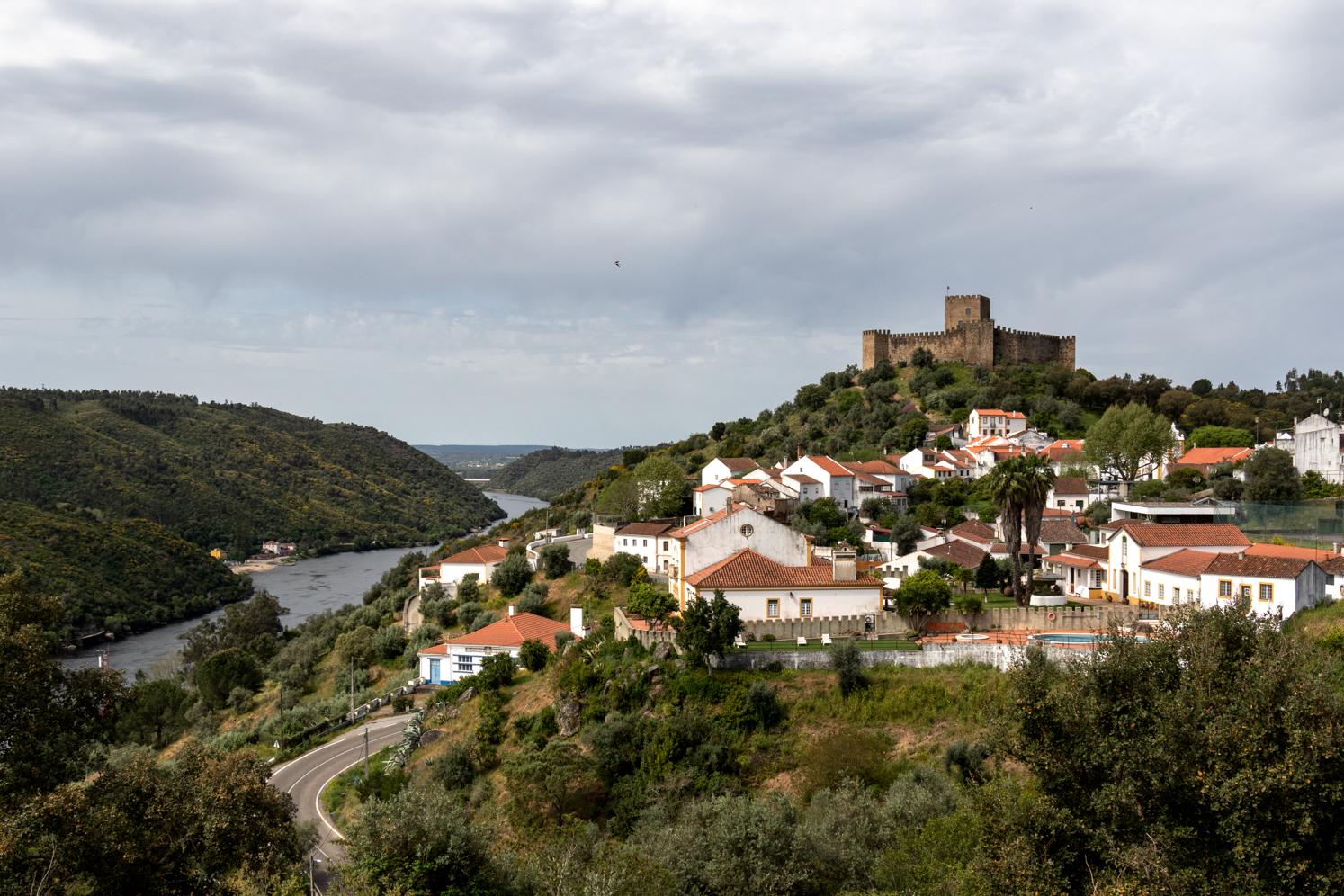
Belver is another characteristic Portuguese village with a lot of charm. It is located high above the Tagus, at the foot of the imposing Castelo de Belver, a medieval castle built at the end of the 12th century to guard the valley of the river. It is considered one of the first and most important castles that the Order of the Knights Hospitaller had built in Portugal.
We took a walk to an old fountain, with beautiful views of the village, the castle and the river below in the valley. Along the path, art was bricked into the walls, which gave the walk something extra. Our dogs also enjoyed the walk.
Spain
Alcántara
Alcántara is a medieval Spanish border town that now feels like an old acquaintance to us. The name Alcántara comes from the Arabic al-qanṭarah, or ‘the bridge’.
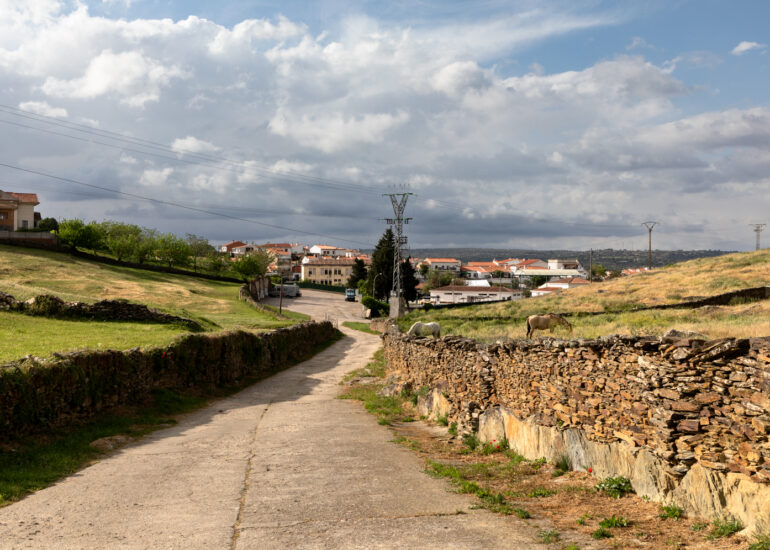
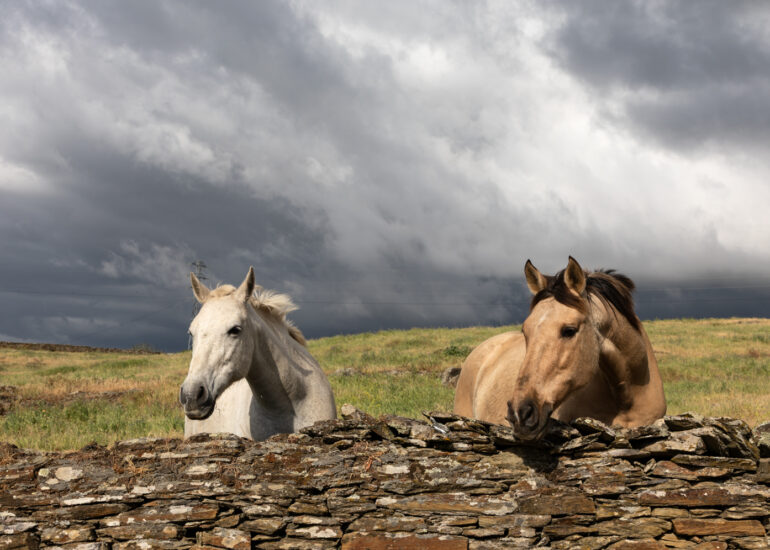
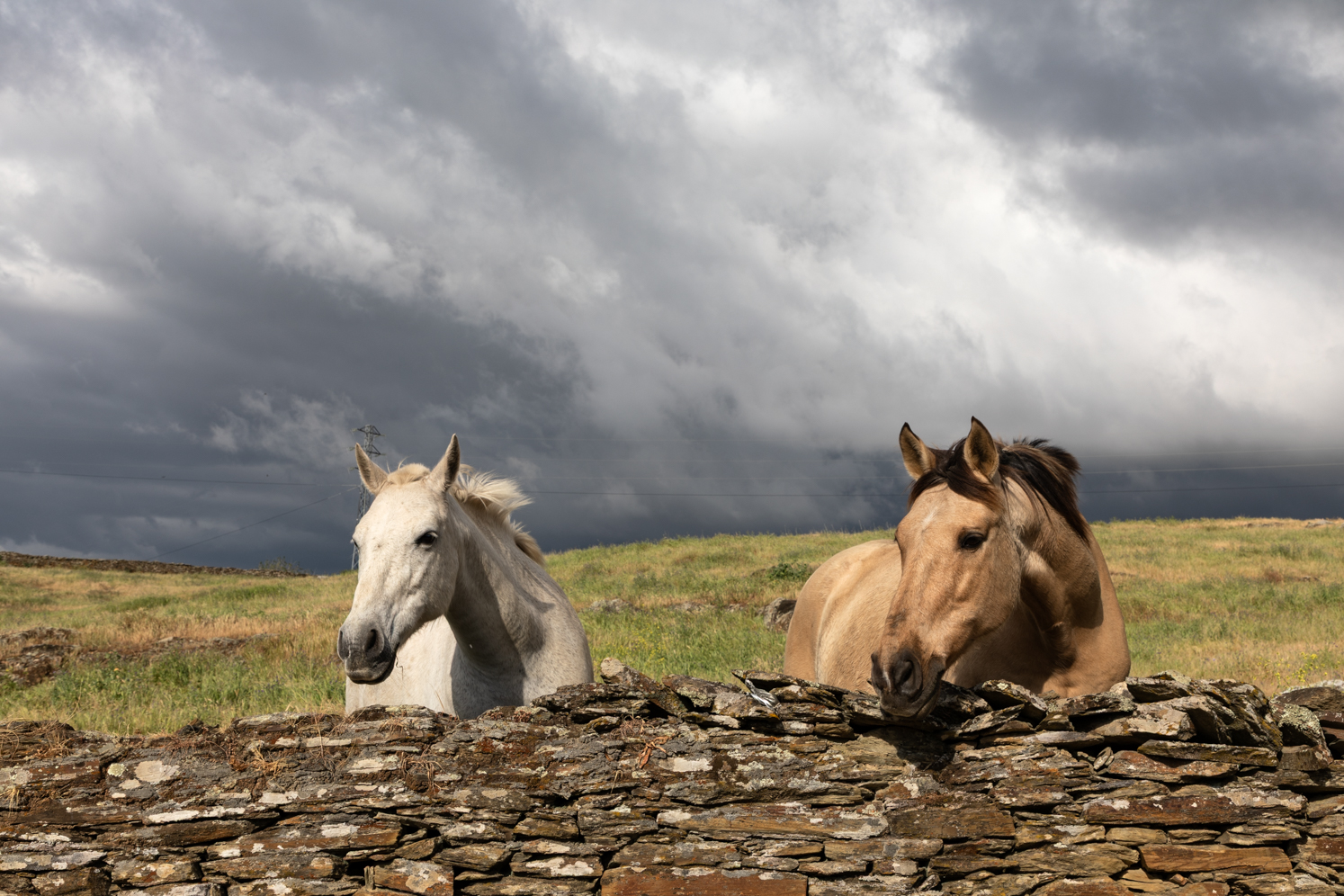
It is a favourite place for us. On almost every trip through Spain we visited Alcántara. Fortunately, “our” horses were still there at the camper place. Would they have recognized us from previous times? Yvonne had brought apples for them, and again they were clearly appreciated. This time we also followed the path that leads to the old cemetery: a special, quiet place with beautiful tombstones.
We stayed in Alcántara for two days. From the town we strolled to the impressive Puente de Alcántara, a bridge of Roman origin that has spanned the Tagus since the beginning of the 2nd century. We were shocked that a modern bridge has now been built next to the old bridge; That detracts somewhat from the romance of the place. Close to the bridge is also the former Convent of San Benito.
Alcántara is an ideal place for us to stroll through the streets with the camera and take pictures. There is a quiet, somewhat melancholic atmosphere that we immediately recognize every time: little crowds, warm light on the stones and the feeling that time passes just a little slower. An extra surprise this time was that the gate of the bullfighting arena was open. Two painters were busy making the arena spic and span for the coming weekend’s fight. I was allowed to take pictures. Although I have nothing to do with bullfighting, everything around it fascinates me.
In previous travel reports you can find more information about Alcántara.
Valladolid
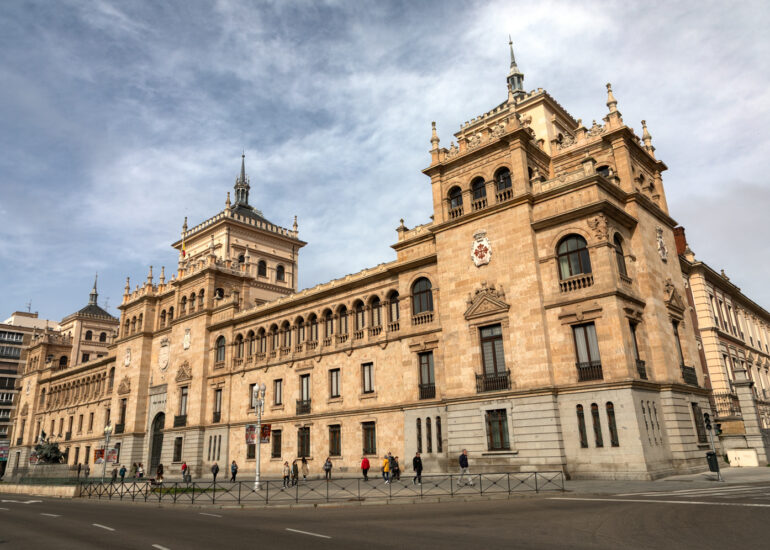
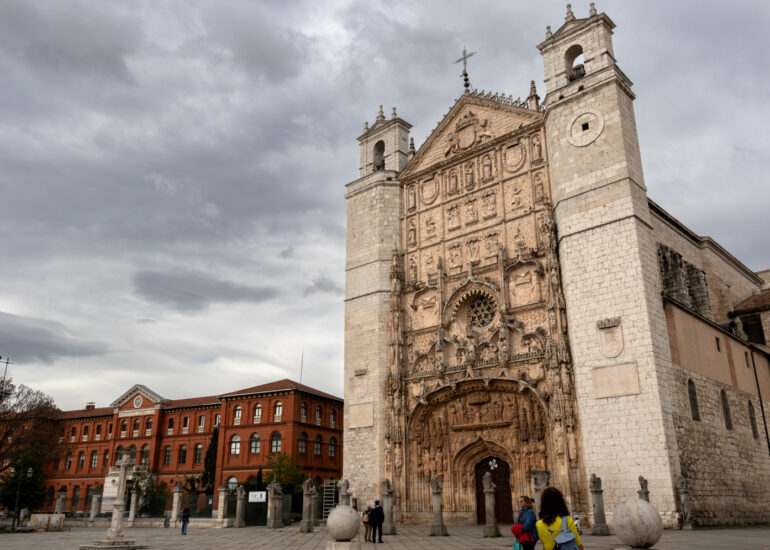
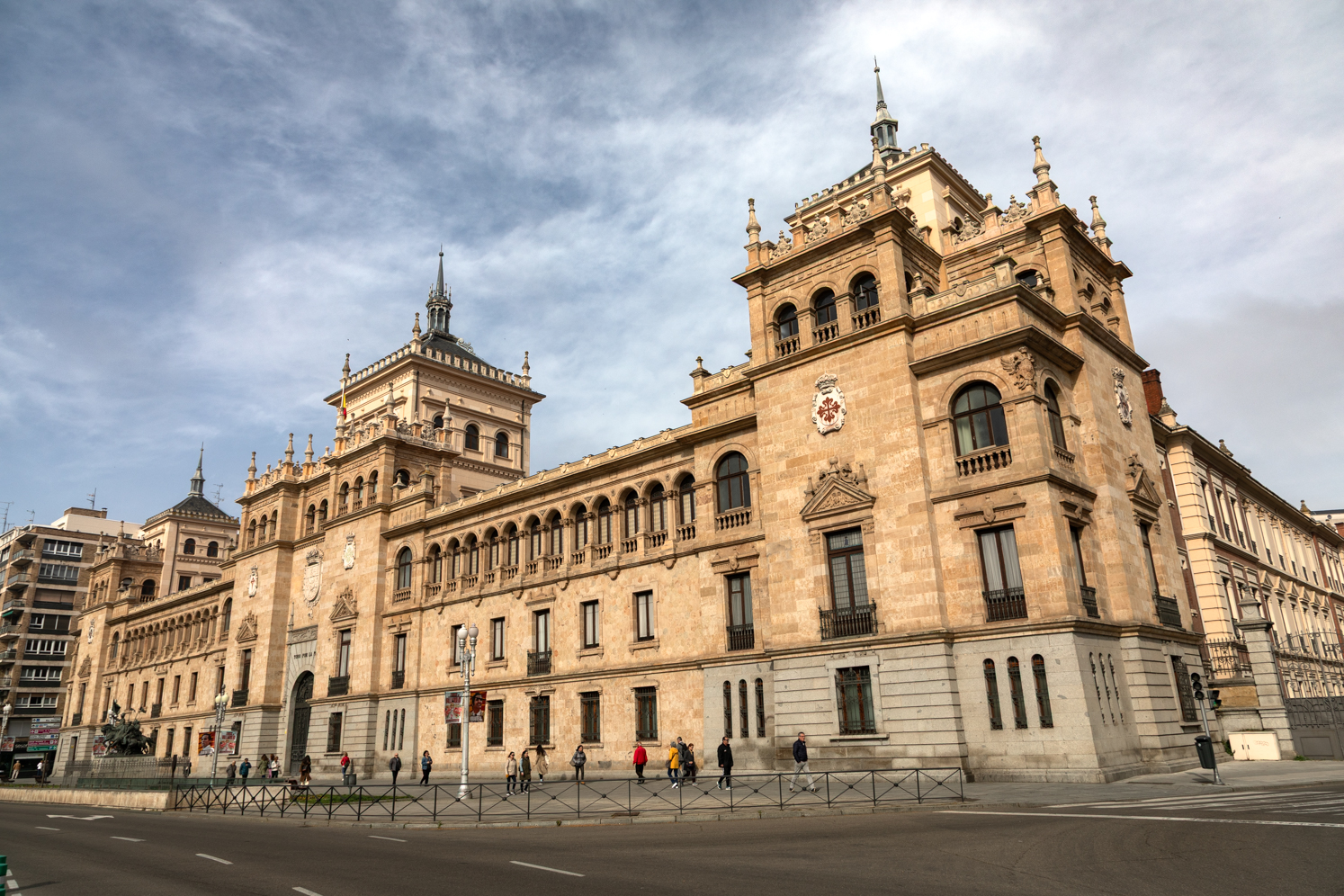
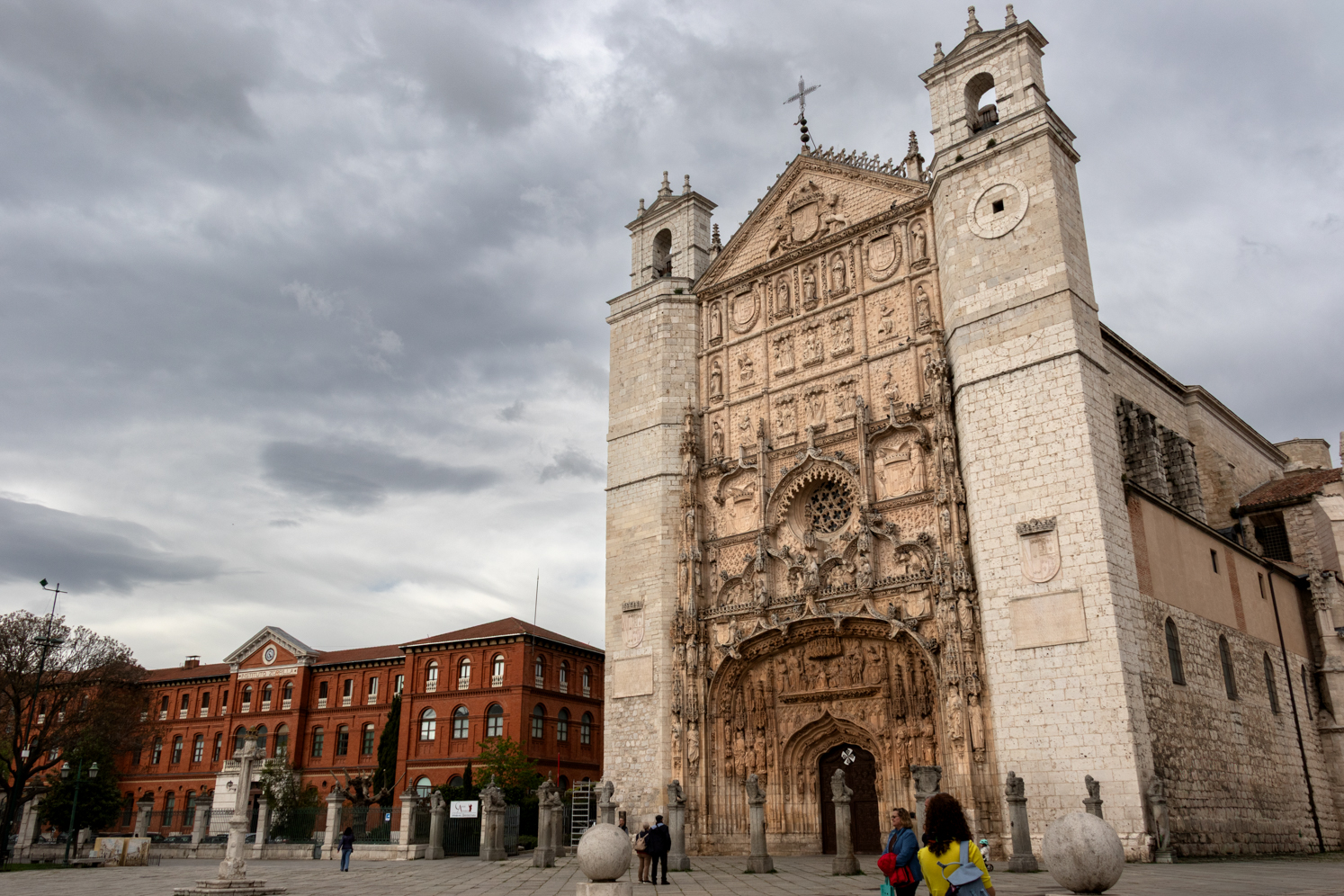
From Alcántara we drove over the scenically beautiful Carretera Paisajística to Garrovillas and from there on to Valladolid. At the end of the afternoon, we took a first walk through the city. The old centre surprised us with many churches, the huge — remarkably unfinished — Catedral de Nuestra Señora de la Asunción, and of course the atmospheric Plaza Mayor. Valladolid was even the capital of Spain for a few years at the beginning of the 17th century, and somehow you can still feel that in the stately layout of the city. The Plaza Mayor also has something special: it is considered one of the first regular rectangular squares in Spain and served as a model for squares elsewhere in the country. Outside the centre there are many high-rise buildings, but also a striking amount of greenery.
The next morning, we went to the old town again. The atmosphere in the early morning is very different from the atmosphere in the late afternoon. The nice thing about such a morning walk is that you see how a city slowly gets going: people on their way to work, shops opening and terraces being set up.
We started our walk at the Plaza Mayor and walked via the Calle Santiago to Plaza Zorrilla. There is also the Campo Grande, the large city park of Valladolid since the 18th century. Yvonne went into the park — forbidden for our dogs — where remarkably tame squirrels tried to seduce the walkers into a nut.
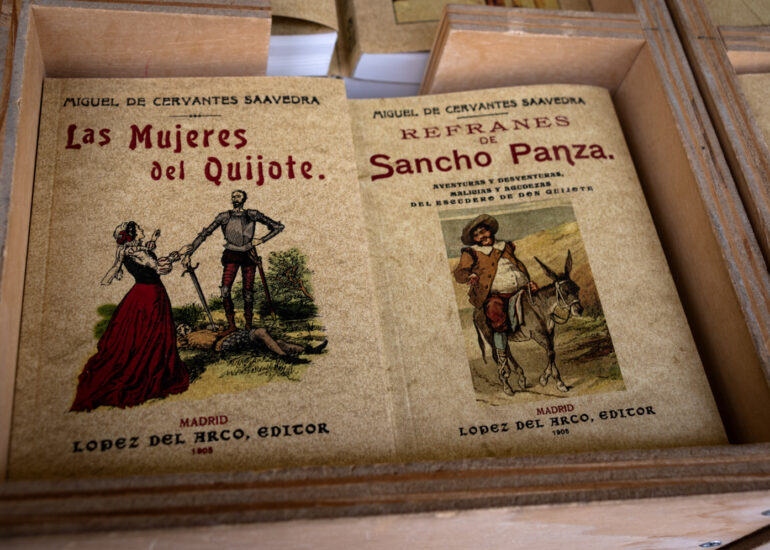
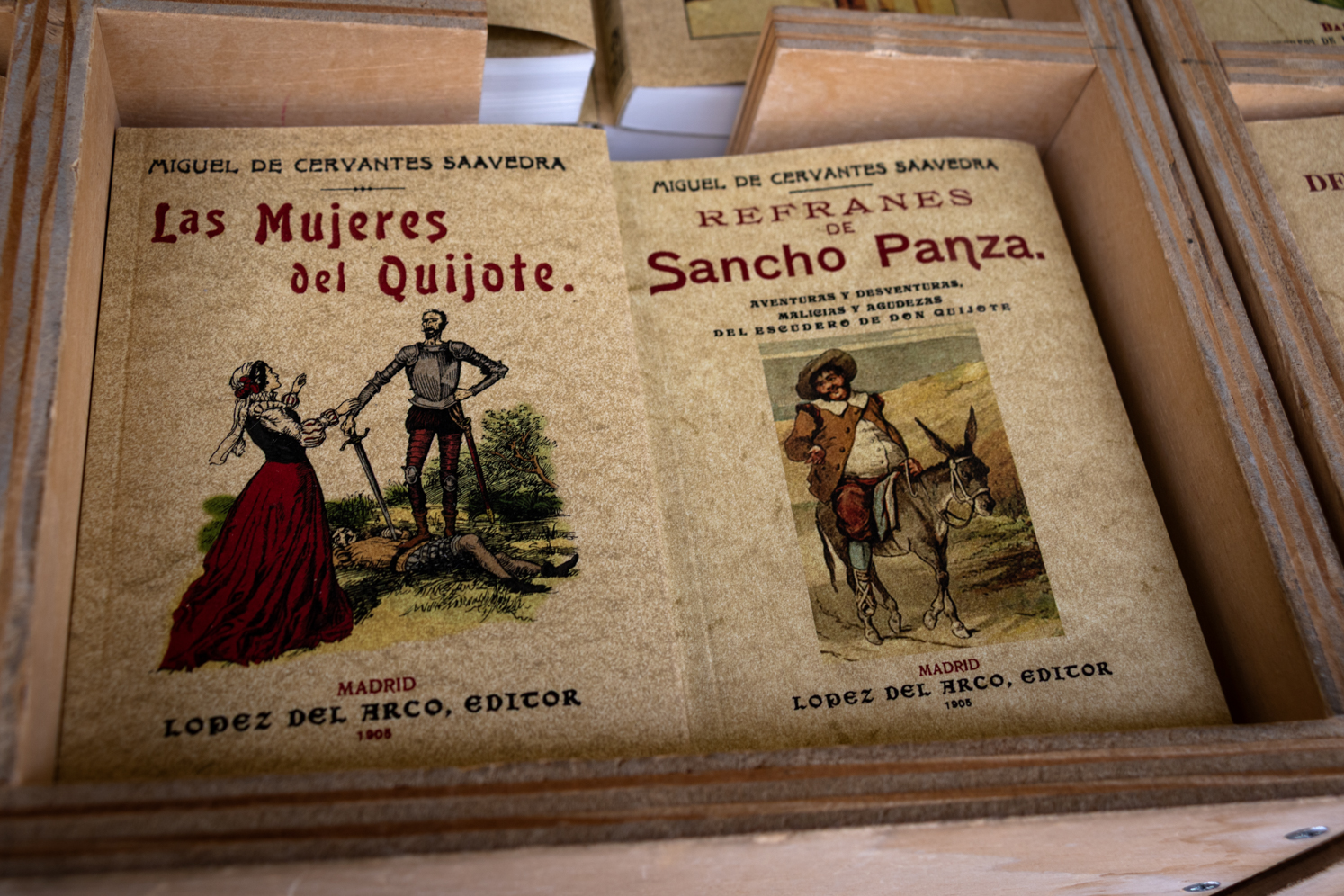
There was also an interesting book market, which I still regret a bit afterwards that I didn’t buy a book there.
Atienza
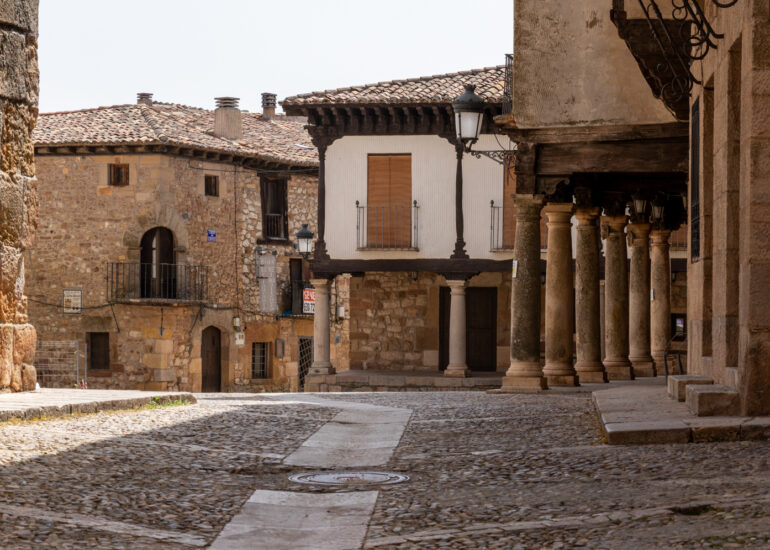
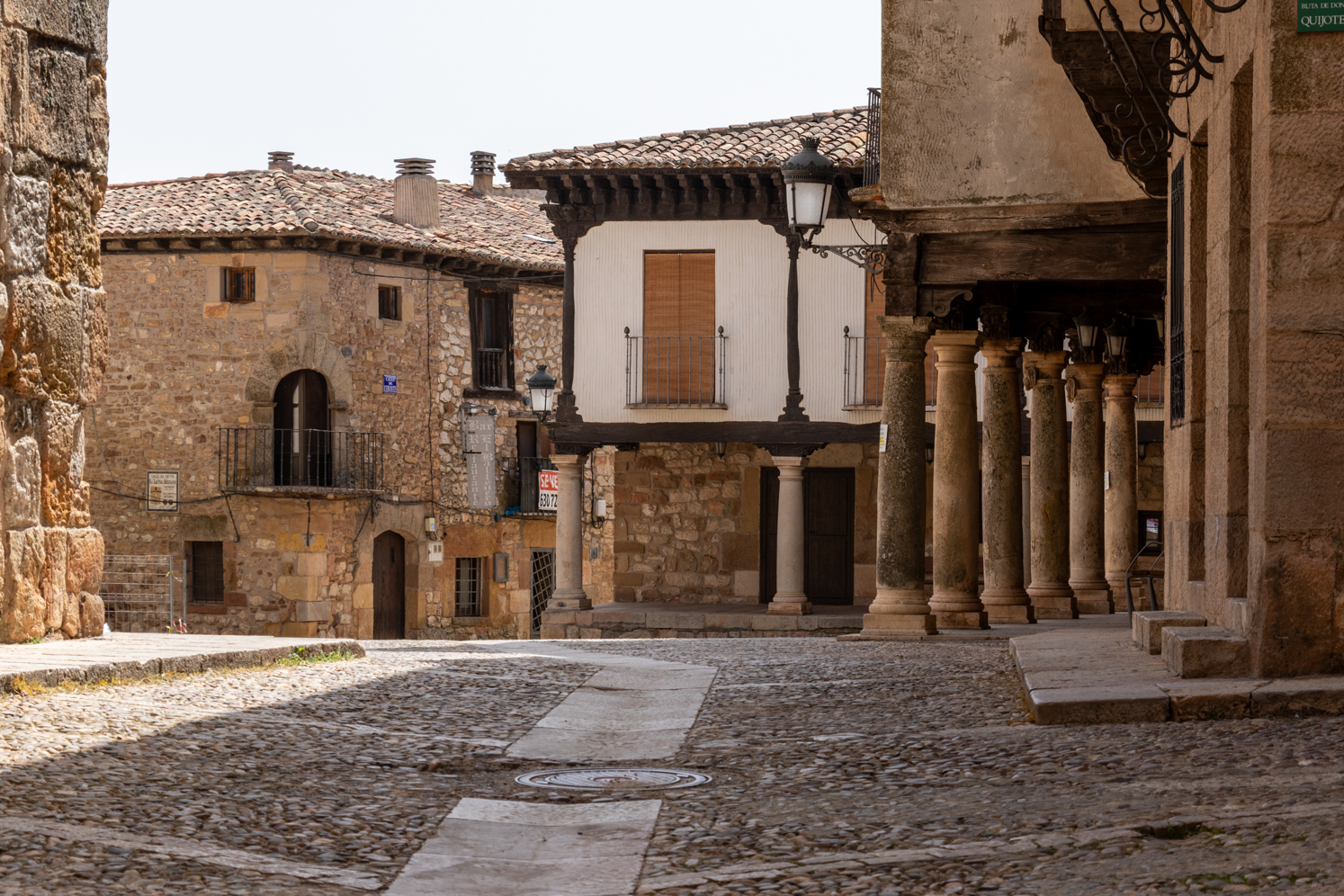
From Gormaz we drove through a rugged, empty landscape to Atienza. This medieval mountain village is located at an altitude of 1,169 meters in the province of Guadalajara, in Castilla-La Mancha, and is listed by Los Pueblos Más Bonitos de España. Atienza is also located at a crossroads of historical routes, including those of El Cid and Don Quixote.
From afar you can see the village against the hill, with the ruins of the castle above it that determine the silhouette. Atienza breathes history. The narrow streets, old houses, squares with arcades and the remains of walls and gates give the village an almost tranquil atmosphere. It is one of those places where you want to walk around quietly and stop again and again to look up at the castle or look out over the Castilian landscape. It is precisely this combination of location, history and sobriety that made it a special stopover for us.
After Atienza we drove on to Sigüenza, where we only spent the night. The intention was to explore the town, but unfortunately it didn’t come to that. One of our dogs was not fit and therefore we thought it better to abort the trip. So we save Sigüenza for our next trip.
Gormaz
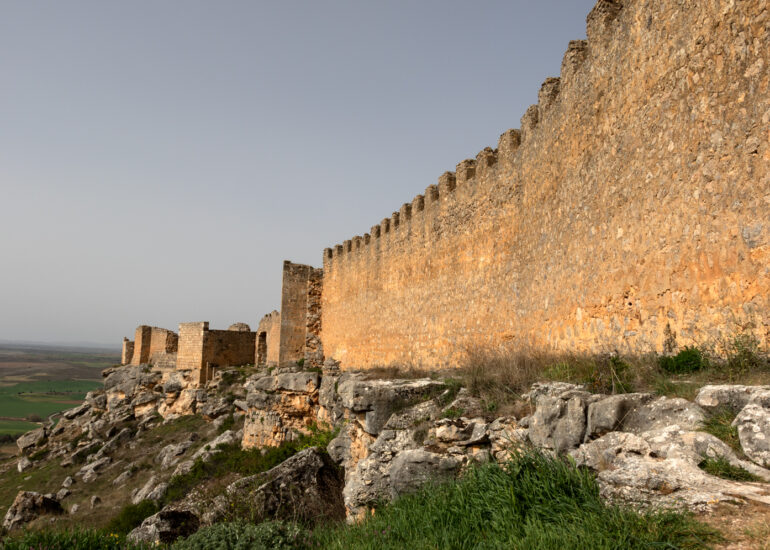
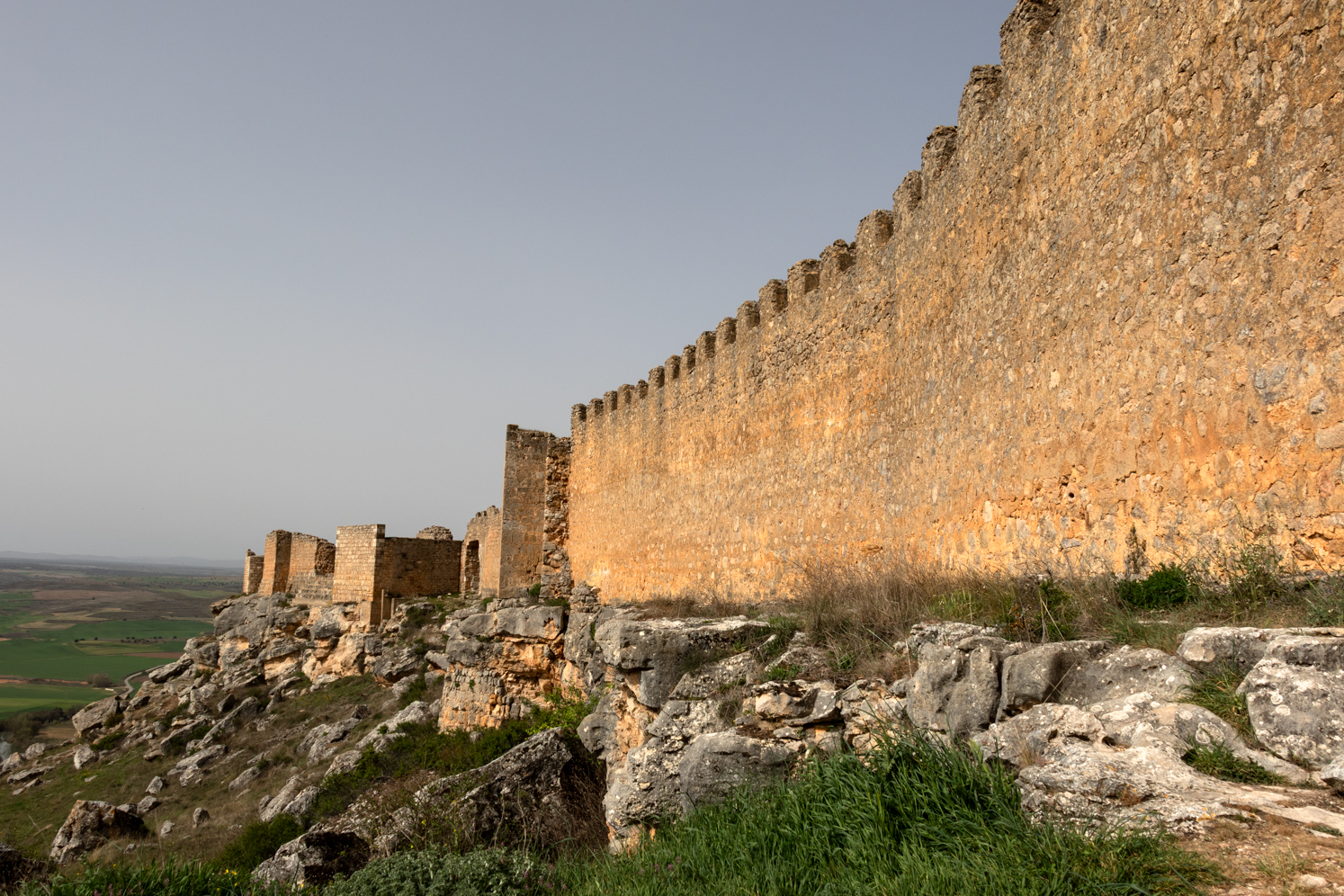
The road to Gormaz’s castle was exciting. Hardly two cars can pass each other, let alone a camper. But the drive up is worth it, because the fortress is impressively located on an elongated ridge above the landscape.
Gormaz is considered the largest caliphate fortress in Europe. The surrounding walls are about 1.2 kilometres long and the origin of the fort dates back to the 9th century. In its current form, it was developed in the 10th century as a strategic stronghold of the Caliphate of Córdoba, on the border with the Christian kingdoms north of the Duero.
What is particularly impressive is the enormous scale of the fortress and its strategic location. From the walls you have a wide view of the surroundings, making it easy to imagine why this place was once so important.
Travel guides
Most travel guides are in the Dutch language, the Michelin guides are also printed in English.
- Spanje, een reisgids – Rik Zaal
- De Groene Reisgids Midden-Spanje van Michelin
- De Groene Reisgids Noord- Spanje van Michelin
- Camperreisgids Noord-Spanje van camperreisgids.nl
- Southern Portugal – Crossbill Guides
- Camperreisgids Zuid-Spanje van camperreisgids.nl
- The Rough Guide to Portugal
- De Groene Reisgids Portugal van Michelin
- Camperreisgids Portugal van camperreisgids.nl

Comments are closed.